
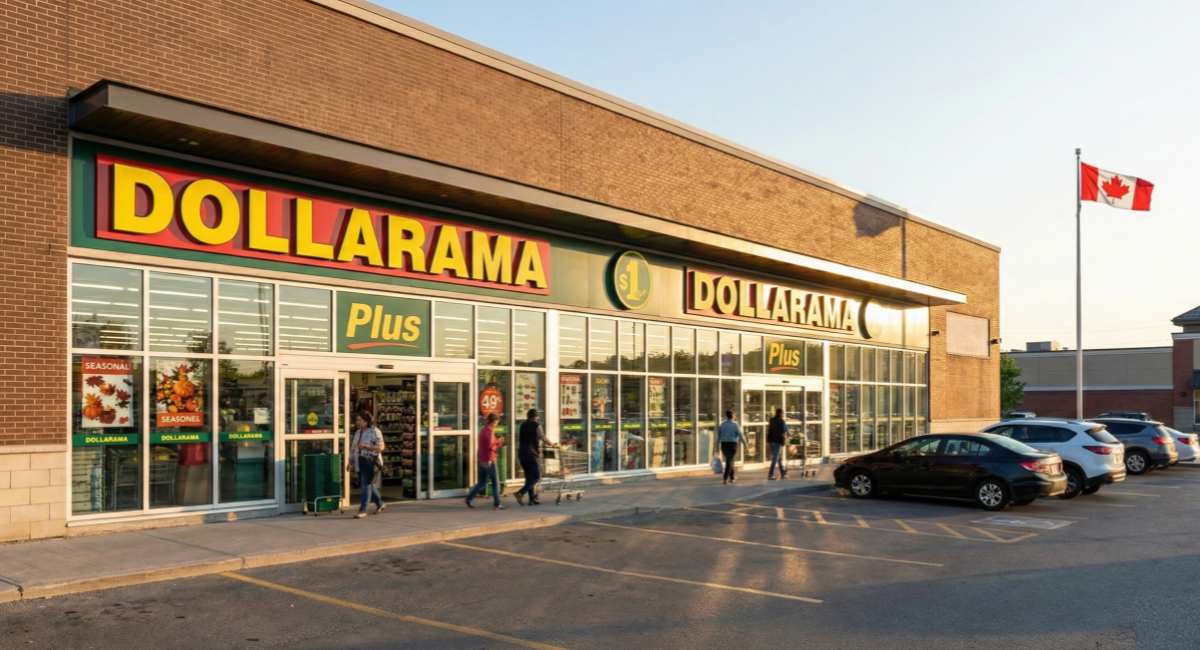
As inflation continues to squeeze household budgets across Canada, Ottawa residents are increasingly turning to an unlikely grocery ally: Dollarama. What was once considered a place for party supplies and craft materials has become a strategic shopping destination for families trying to make ends meet.
The Numbers Tell the Story
Dollarama’s sales and profits surged in 2024 as more Canadians shopped for affordable groceries and essentials. The discount retailer reported remarkable growth, with comparable store sales increasing 8.7% in the fourth quarter of fiscal 2024, reflecting a fundamental shift in Canadian shopping habits.
For Ottawa families, this trend isn’t surprising. The average food expense for one person in Ottawa adjusted for inflation comes to approximately $381 per month in 2024, up significantly from previous years. When you multiply that across a household of four, food costs alone can exceed $1,500 monthly—a figure that has many residents reconsidering where they shop.
Real Savings at the Checkout
The price differences between Dollarama and traditional grocery stores are substantial and documented. Recent price comparisons reveal eye-opening disparities:
Bread: Country Harvest Whole Grains Bread costs $3.50 at Dollarama compared to $4.50 at Loblaws and $5.49 at Metro, saving shoppers up to $2 per loaf.
Cereal: Cinnamon Toast Crunch is priced at $2.50 at Dollarama, nearly $2.50 cheaper than at Loblaws and Metro.
Cleaning Supplies: Beyond food, household essentials show dramatic savings. Aveeno baby cream sells for $5 at Dollarama compared to $18.49 at Shoppers Drug Mart—nearly four times more expensive.
Overall Basket: A comparison of 42 identical products showed Dollarama’s basket was 12.4% cheaper than Walmart, and even steeper savings were found when compared to major grocers like Loblaws and Metro.
For an average Ottawa family doing a weekly grocery shop, these savings can add up to hundreds of dollars per month—money that can be redirected toward rent, utilities, or other rising costs.
What Ottawa Shoppers Are Buying
The shift to Dollarama isn’t just about snacks and novelty items anymore. The company noted particularly strong sales in its consumables category, which includes everyday essentials like:
- Non-perishable food items (pasta, canned goods, cereals, snacks)
- Cleaning supplies and detergents
- Personal care products
- Paper products and household basics
- Kitchen items and storage containers
- Party supplies and greeting cards (still a fraction of the cost compared to specialty stores)
While Dollarama doesn’t offer fresh produce, meat, or dairy products, savvy Ottawa shoppers have adapted by splitting their grocery runs: hitting Dollarama for shelf-stable staples and visiting traditional grocery stores only for perishables.
The Business Model Behind the Bargains
How does Dollarama consistently undercut major grocery chains? The answer lies in their streamlined business model:
Lower Overhead: Dollarama excels at maintaining minimal operational costs, with daily average staffing expenses capped at a mere $500. Unlike major grocery chains that also function as real estate operations, Dollarama keeps expenses lean.
No Marketing Costs: While Loblaws and Metro invest heavily in advertising campaigns, dollar stores like Dollarama bypass expensive advertising campaigns, transferring cost savings to consumers in the form of lower prices.
Supplier Relationships: Suppliers recognize advantages in collaborating with Dollarama—they no longer need to contend for limited shelf space or engage in competition with rival brands. This results in better wholesale deals that benefit shoppers.
Limited Selection Strategy: Rather than offering ten brands of ketchup, Dollarama typically stocks one or two options per product category. This simplicity reduces inventory costs and complexity.
What You Should and Shouldn’t Buy
Not every Dollarama purchase is a smart financial move. Here’s what Ottawa shoppers should know:
Smart Buys:
- Cleaning supplies and detergents
- Paper products (napkins, paper towels, toilet paper)
- Greeting cards and gift wrap
- Non-perishable snacks and pantry staples
- Storage containers and kitchen tools
- Personal care basics like soap and shampoo
Proceed with Caution:
- Batteries: Often lower quality with shorter life spans
- Electronics: Limited warranties and potential quality issues
- Food expiry dates: Always check—some items may be close-out deals nearing expiration
- Package sizes: Sometimes smaller packages mean the unit price isn’t actually better
As one food industry expert notes, Dollarama often sells items in smaller package sizes, and while the overall price might be lower, the unit price could be higher. Smart shoppers compare the price per 100 grams or per item to ensure they’re getting true value.
The Inflation Context
This shopping trend exists within a broader affordability crisis affecting Ottawa and all of Canada. Food prices increased by 2.8% in 2024, adding $436 to the average family of four’s annual grocery bill. Looking ahead, food prices are estimated to increase by three to five percent in 2025, meaning a family of four could pay about $800 more for food.
Meanwhile, the national average monthly cost of food for Canadian households jumped from $1,065.60 in 2022 to $1,357.37 in 2023—an increase of almost $300 per month or $3,600 annually.
Against this backdrop, it’s no wonder Ottawa families are seeking alternatives. Dollarama’s CEO noted that their value proposition has been reinforced in the context of high inflation, as stressed shoppers prioritize affordability over brand loyalty and shopping experience.
Tips for Maximizing Dollarama Savings
- Make a Strategic Shopping Plan: Use Dollarama for shelf-stable items and non-perishables, supplementing with grocery store trips for fresh items only.
- Compare Unit Prices: Always check the price per 100g or per item to ensure you’re getting the best deal.
- Check Expiry Dates: Dollarama sometimes stocks close-out items. Verify dates before purchasing.
- Stock Up on Non-Perishables: When you find good deals on items that won’t expire, buy multiple to reduce future trips.
- Don’t Overlook Quality: Many name brands at Dollarama are identical to those at grocery stores—you’re not sacrificing quality, just paying less.
- Visit Multiple Locations: Inventory varies between stores, so if you’re looking for specific items, check different Ottawa locations.
The Trade-Offs
While the savings are real, shopping at Dollarama comes with considerations:
- No Fresh Produce or Refrigerated Items: You’ll still need to visit a grocery store for fruits, vegetables, meat, and dairy.
- Limited Selection: Expect one or two options per product category, not the variety of a full grocery store.
- Variable Inventory: Popular items can sell out quickly and may not be restocked immediately.
- Additional Travel Time: Adding another stop to your shopping routine requires extra time and potentially transportation costs.
A Growing Movement
The shift toward discount retailers isn’t isolated to a few budget-conscious shoppers. While more customers shopped at Dollarama, average transaction sizes fell by 2.2%, indicating customers are spending less per visit. This suggests widespread financial pressure forcing Canadians to be more selective about their purchases.
This movement gained momentum in 2024 with a Reddit-led boycott of Loblaw-affiliated stores, where frustrated Canadians organized to protest high prices and perceived profiteering. The boycott drew attention to the stark price differences between dollar stores and major grocery chains, further accelerating the trend.
Looking Forward
With Dollarama working toward a long-term target of 2,000 stores by 2031 in Canada, the retailer is clearly positioned to capitalize on this shift in consumer behavior. For Ottawa residents, this means more locations and potentially greater convenience for discount shopping.
The question remains: Is this a temporary response to inflation, or a permanent change in how Canadians shop? Dollarama executives expect heightened demand to continue, though they anticipate inflationary effects may begin to normalize.
The Bottom Line for Ottawa Families
For Ottawa residents watching every dollar, Dollarama offers a legitimate way to reduce monthly expenses. The savings are real, the products are mostly comparable to grocery store offerings, and the convenience of multiple locations across the city makes it accessible.
However, smart shopping means understanding what represents true value. Check unit prices, verify expiry dates, and recognize that while Dollarama can significantly reduce your grocery bills for non-perishables and household goods, you’ll still need traditional grocery stores for fresh, refrigerated items.
As cost of living pressures continue, more Ottawa families are likely to follow this trend. In an economic climate where food expenses adjusted for inflation reach approximately $381 monthly per person, every strategy to reduce spending matters.
Whether this becomes your primary shopping strategy or simply a supplement to traditional grocery runs, Dollarama represents a practical tool in the fight against rising living costs—one that thousands of Ottawa families are already using to stretch their budgets further.