
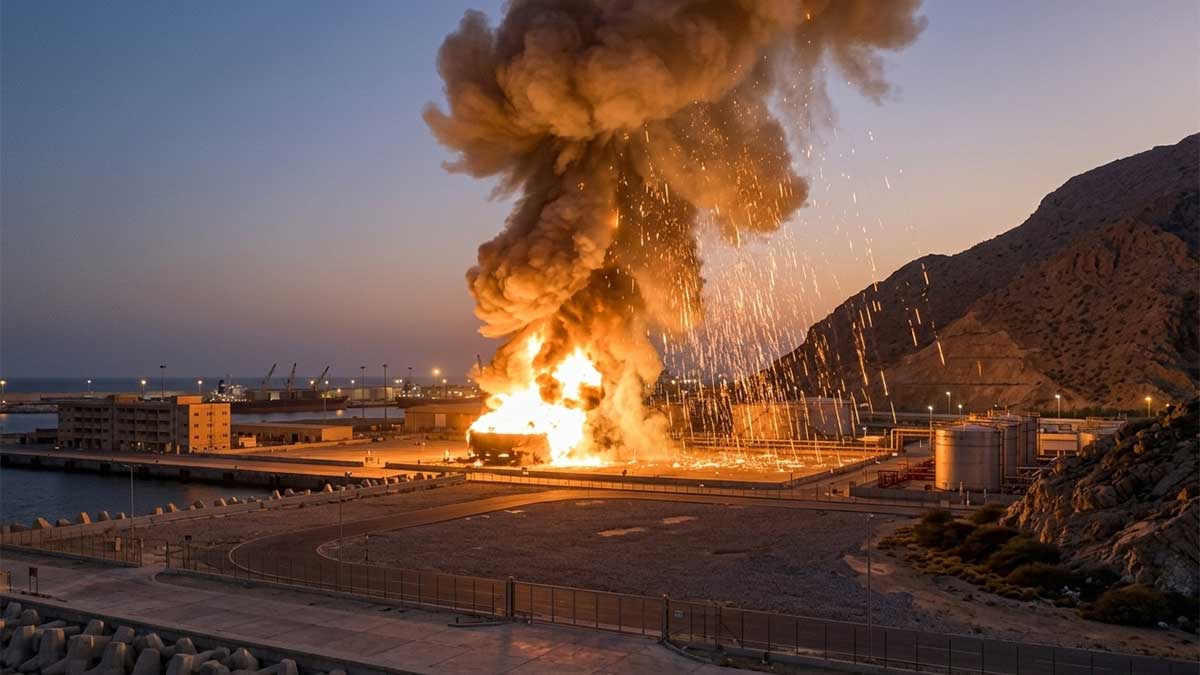
As the conflict involving the United States, Israel, and Iran entered its 34th day, tensions continued to rise across the Middle East. Despite claims from Donald Trump that U.S. military objectives are close to being achieved, ongoing missile exchanges, regional instability, and stalled diplomacy suggest the situation remains highly volatile. Here is a detailed breakdown of the latest developments shaping the conflict.
Escalation Inside Iran
Intensifying Military Operations
The joint U.S.-Israeli campaign has continued to expand, with sustained airstrikes targeting multiple locations across Iran. These attacks have caused widespread damage and casualties, while Iranian forces have responded with missile and drone strikes, maintaining a cycle of retaliation.
Diplomatic Efforts Stall
Iranian Foreign Minister Abbas Araghchi indicated that while communication channels with Washington remain open, trust between the two sides is effectively nonexistent. This lack of confidence has significantly reduced the chances of meaningful negotiations in the near term.
Leadership Messaging and Public Appeals
Iran’s president, Masoud Pezeshkian, has attempted to differentiate between governments and civilians, stating that Iran does not hold hostility toward the people of the United States, Europe, or neighbouring countries. In a public message directed at Americans, he questioned whether ongoing military actions align with U.S. national interests.
Rejection of U.S. Demands
Iranian officials have dismissed Washington’s conditions for ending the war as unrealistic and excessive. They also denied claims that ceasefire negotiations are underway, contradicting statements made by U.S. leadership.
Senior Figure Injured in Strike
Former Iranian foreign minister Kamal Kharazi was seriously injured in a targeted strike on his residence in Tehran. The attack reportedly resulted in the death of his wife. Kharazi had been involved in behind-the-scenes diplomatic efforts aimed at reopening dialogue between Tehran and Washington.
Developments Across the Gulf Region
Missile Interceptions in the UAE
The United Arab Emirates reported successfully intercepting several missiles and drones launched by Iran. These defensive actions highlight how the conflict is spilling beyond its initial boundaries.
U.S. Support for Regional Allies
During his address, Trump acknowledged the risks faced by Gulf nations and expressed gratitude for their cooperation. He reaffirmed that the United States would continue to support and protect its regional partners.
Maritime Incident Near Qatar
A commercial tanker was struck by a projectile off the coast of Doha, the capital of Qatar. While the vessel sustained damage, no casualties were reported. The incident underscores the vulnerability of key shipping routes in the region.
U.S. Position and Political Messaging
Trump’s Address and Strategic Outlook
In his latest speech, Trump reiterated that U.S. military goals are nearing completion and pledged to “finish the job.” However, his remarks lacked detailed plans for achieving a lasting resolution.
Disputed Ceasefire Claims
The president stated that Iran had requested a ceasefire, a claim that Iranian officials quickly rejected. This discrepancy reflects ongoing communication gaps and competing narratives from both sides.
Concerns Over Lack of Clear Strategy
Analysts, including experts from policy think tanks, have pointed out that Trump’s speech largely repeated earlier statements without introducing new strategies. This has raised questions about the administration’s long-term plan for managing the conflict.
Situation in Israel
Continued Missile Threats
Israel reported a fresh wave of missile launches from Iran, with its air defence systems actively intercepting incoming threats. The Israel Defense Forces confirmed ongoing defensive operations.
Civilian Impact
Emergency services reported that at least 14 people were injured near Tel Aviv during missile attacks, including a child. These incidents highlight the ongoing risk to civilian populations.
Alignment with Israeli Strategy
Observers note that Trump’s timeline for ending the conflict appears to align closely with the expectations of Benjamin Netanyahu, who has suggested that the campaign could conclude within weeks.
Expanding Conflict in Lebanon and Iraq
Strike in Beirut
An Israeli strike in Beirut targeted a senior Hezbollah commander, resulting in multiple fatalities. According to Lebanon’s health authorities, at least seven people were killed in the attack.
Attack on Iraqi Military Base
An airstrike on a military facility in Iraq’s Anbar province killed seven fighters and injured 13 others. The strike hit a medical facility within the base, raising concerns about the broader humanitarian impact of the conflict.
Global Economic Impact
Concerns from the World Bank
The World Bank has expressed serious concern about the economic consequences of the war. Officials warn that the conflict could drive inflation higher, disrupt employment, and worsen food security in vulnerable regions.
Market Reactions
Global financial markets showed mixed reactions. Stock markets experienced gains after Trump suggested the war could end soon, while oil prices declined despite ongoing instability. This reflects investor optimism tempered by uncertainty.
Conclusion
Day 34 of the Iran conflict reveals a complex and evolving situation marked by ongoing military escalation, diplomatic deadlock, and widening regional involvement. While the United States signals that its objectives are nearly achieved, events on the ground tell a more complicated story. Continued missile exchanges, civilian casualties, and economic concerns suggest that even if the conflict winds down in the coming weeks, its consequences will likely persist well beyond the battlefield.
FAQs
1. What is the current status of the Iran war?
The conflict is ongoing, with continued airstrikes, missile attacks, and no confirmed ceasefire agreement.
2. Has Iran requested a ceasefire?
The United States claims it has, but Iran has denied this.
3. Which regions are affected by the conflict?
The war has expanded beyond Iran and Israel to include parts of the Gulf, Lebanon, Iraq, and surrounding areas.
4. What is the economic impact of the war?
The World Bank has warned of rising inflation, job losses, and food insecurity due to the conflict.
5. Is the war expected to end soon?
U.S. leadership suggests it could end within weeks, but ongoing escalation makes the timeline uncertain.