
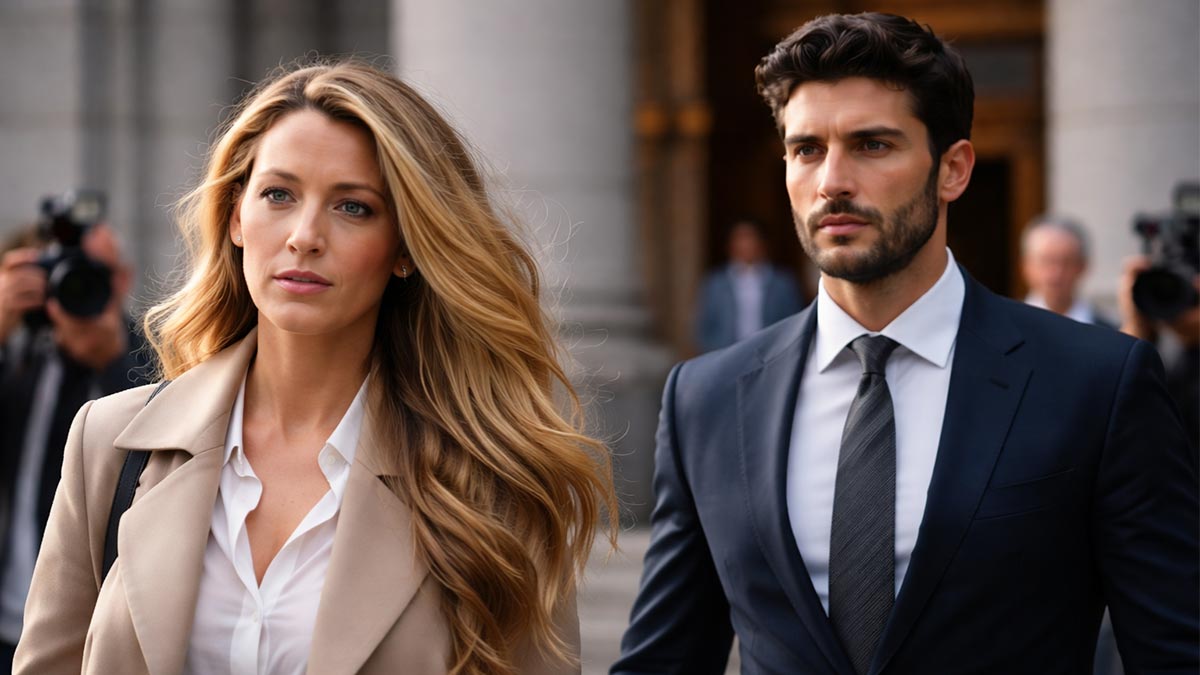
A high-profile legal dispute involving Blake Lively and Justin Baldoni has taken a significant turn in 2026. While a federal judge has dismissed Lively’s sexual harassment claims, several other serious allegations—including retaliation—remain active and are expected to be heard by a jury.
The case, linked to the production of the film It Ends With Us, continues to draw attention due to its legal complexity and broader implications for workplace conduct in the entertainment industry.
Court Decision: Why Sexual Harassment Claims Were Dismissed
The ruling came from Lewis J. Liman in Manhattan. In his written decision, the judge concluded that Blake Lively did not qualify as an employee under the relevant law. Instead, she was classified as an independent contractor during the film’s production.
This distinction proved crucial. Under Title VII of the Civil Rights Act of 1964, protections against workplace discrimination—including sexual harassment—apply specifically to employees. Because Lively did not meet that legal definition, the court ruled that she could not pursue those claims under this statute.
Allegations Still Moving Forward
Despite the dismissal of sexual harassment claims, the case is far from over. The judge allowed multiple claims to proceed, including:
- Retaliation allegations against Baldoni and associated entities
- Claims suggesting reputational harm and career damage
- A breach of contract claim tied to a rider agreement
These surviving claims mean that many of the underlying allegations will still be examined during trial proceedings.
The court noted that evidence presented could lead a jury to conclude that actions were taken against Lively in response to concerns she raised, potentially affecting her professional standing.
Details of On-Set Incidents
In reviewing the case, the judge examined specific incidents described by Lively. These included claims that Baldoni engaged in physical behavior during filming that she found inappropriate.
However, the court emphasized that these actions must be evaluated within the context of the film’s scenes. According to the ruling, the behavior described occurred during scripted or performance-related moments and did not clearly extend beyond what might be expected in a film setting.
The judge acknowledged that similar conduct in a traditional workplace could support a hostile work environment claim. Yet in this case, the actions were interpreted as being directed toward fictional characters rather than the actor personally.
Additional Concerns Raised in the Case
Although the sexual harassment claims were dismissed, the judge referenced other incidents that may still be relevant to the remaining claims.
These include:
- A comment allegedly made by Baldoni describing Lively as “pretty hot” during filming
- A reported situation where concerns about inappropriate remarks were dismissed
- Disagreements over filming conditions, including a birth scene that Lively allegedly felt should have had stricter privacy measures
Such details may play a role in supporting the retaliation and contract-related claims that will be presented at trial.
Countersuit and Legal Back-and-Forth
The legal battle has included claims from both sides. Baldoni and his production company, Wayfarer Studios, previously filed a countersuit accusing Lively and her husband, Ryan Reynolds, of defamation and extortion.
However, those claims were dismissed earlier, narrowing the focus of the case to Lively’s remaining allegations.
Trial Date and What Comes Next
The case is currently scheduled for trial on May 18, where a jury will hear the surviving claims. Lively’s legal team has stated that she intends to testify and continue pursuing accountability, particularly regarding alleged retaliation and reputational harm.
The outcome of the trial could have broader implications for how workplace protections are applied in creative industries, especially when distinguishing between employees and independent contractors.
Background on the Film and Public Attention
“It Ends With Us,” based on the bestselling novel by Colleen Hoover, was released in August 2024 and performed strongly at the box office, debuting with approximately $50 million.
Despite its commercial success, the film’s release was accompanied by widespread speculation about tensions between its lead actors and production team. The ongoing legal case has only intensified public interest in the behind-the-scenes dynamics.
Conclusion
While the dismissal of sexual harassment claims marks a pivotal moment in this legal dispute, it does not bring the matter to a close. The remaining allegations—particularly those related to retaliation and contractual obligations—ensure that the case will continue to unfold in court.
This situation highlights the evolving legal challenges surrounding employment classification in the entertainment industry. It also underscores how complex workplace standards can become when applied to creative environments where performance and personal boundaries may intersect.
As the trial approaches, the case is expected to remain in the spotlight, potentially influencing future legal interpretations in similar disputes.
FAQs
Why were the sexual harassment claims dismissed?
The court determined that Blake Lively was an independent contractor, not an employee, making her ineligible to file claims under Title VII.
What claims are still active?
Retaliation claims and a breach of contract claim are still moving forward to trial.
When is the trial scheduled?
The trial is set to begin on May 18.
What is the case about overall?
The case centers on alleged misconduct during the filming of “It Ends With Us” and claims of retaliation and reputational harm.
Did Justin Baldoni’s countersuit succeed?
No, the countersuit filed by Baldoni and his company was dismissed earlier in the legal process.