
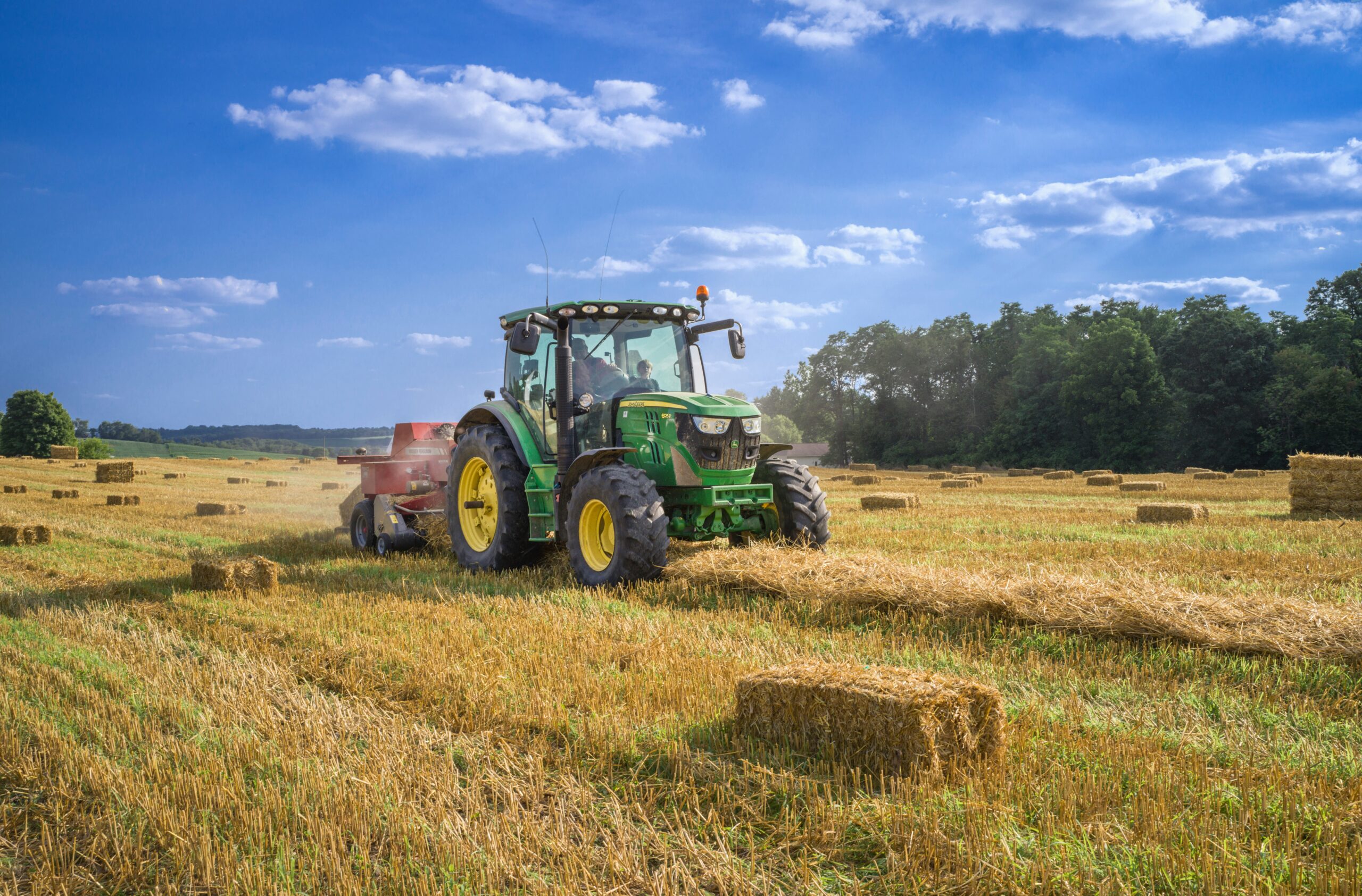
Rising Fuel Costs Strain Farm Operations
In Randolph, Manitoba, farmer Kevin Peters says rising fuel prices are placing intense pressure on agricultural operations. Fuel is one of the most essential inputs during planting and harvesting seasons, and even small price increases can significantly impact annual budgets. Peters estimates that higher fuel prices could add up to $50,000 in additional costs by the end of the year. For many farmers working with tight profit margins, such increases are not easily absorbed and can directly affect overall farm viability and future planning decisions.
Seasonal Optimism Despite Financial Pressure
Despite mounting cost pressures, farmers are looking ahead with cautious optimism. As warmer weather approaches, the focus shifts toward planting and preparing fields for the season. Peters highlights that while financial stress remains high due to global fuel price trends, many farmers are eager to move forward and begin seeding operations. However, the uncertainty around fuel expenses continues to create challenges, forcing farmers to rethink spending priorities and operational efficiency.
Government Announces Temporary Fuel Tax Relief
In response to rising living and operating costs, Mark Carney has announced a temporary suspension of the federal excise tax on gasoline and diesel. The measure will take effect on April 20 and remain in place until September 7. According to government estimates, the policy is expected to reduce gasoline prices by approximately 10 cents per litre and diesel prices by about four cents per litre.
This fuel tax cut is designed to provide short-term relief to households and industries that rely heavily on fuel, including transportation, agriculture, and logistics. The move has been framed as a targeted effort to ease financial strain during a period of high inflation and rising energy costs.
Limited Direct Impact on Farmers
While the policy appears beneficial on the surface, its direct impact on farmers is expected to be limited. Peters explains that most farming operations already use marked diesel, which is exempt from federal fuel taxes. As a result, the tax suspension does not significantly lower the cost of fuel used in farm machinery such as tractors and harvesters.
However, there are indirect benefits. Peters points out that sectors connected to agriculture, including transportation and supply chains, could experience cost reductions. Lower fuel expenses for delivery trucks, seed suppliers, and equipment transporters may eventually help reduce overall input costs for farmers. Even so, the immediate financial relief for farm operations remains minimal, highlighting a gap between policy intentions and on-the-ground realities.
Trucking Industry Sees Small but Positive Gains
The trucking industry, which relies heavily on diesel fuel, has responded with a mix of appreciation and caution. Aaron Dolyniuk notes that while the tax cut will reduce diesel prices, the overall savings are relatively modest. For example, a four-cent reduction per litre translates to roughly $40 in savings on a 1,000-litre tank.
Although this may not seem substantial, Dolyniuk emphasizes that these savings can accumulate over time, especially for companies operating large fleets. For an industry where fuel represents one of the largest operating costs, even small reductions can provide some financial breathing room. The measure is therefore viewed as a positive but limited step toward easing cost pressures in the transportation sector.
Ongoing Dependence on Diesel Raises Concerns
A key concern highlighted by industry leaders is the continued reliance on diesel fuel. Despite growing discussions around zero-emission vehicles and alternative energy sources, the trucking industry remains heavily dependent on diesel due to technological and infrastructure limitations. Dolyniuk points out that while there are small segments experimenting with cleaner energy, diesel continues to be the primary fuel powering the movement of goods.
This dependency means that short-term measures like tax cuts offer only temporary relief and do not address the broader challenges of fuel price volatility and sustainability. Both farmers and truckers stress the need for long-term solutions that can stabilize costs and support the transition to more efficient and environmentally friendly energy sources.
Short-Term Relief vs Long-Term Challenges
Overall, the temporary fuel tax suspension reflects a balancing act between immediate economic relief and long-term structural challenges. While the policy provides some financial support, particularly for the transportation sector, its impact on agriculture is less direct.
For farmers like Peters, rising fuel costs continue to erode already thin margins, making it difficult to plan for the future. For truckers, the savings are welcome but not transformative. The situation underscores a broader issue: while short-term interventions can ease pressure, more comprehensive strategies are needed to address the root causes of rising fuel costs and industry dependence on fossil fuels.
Read also about : City Data Reveals Spike in Speeding After Camera Removal