
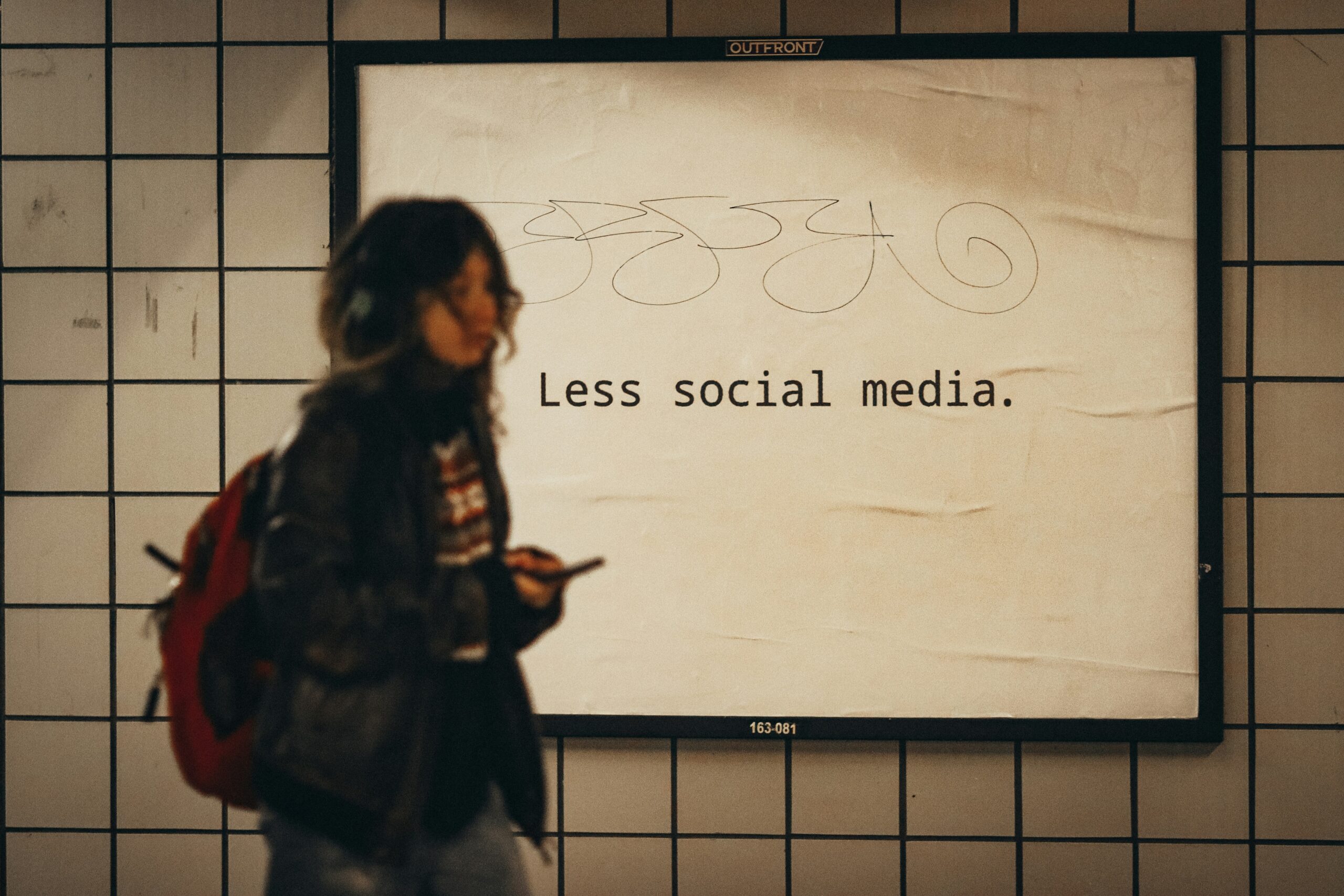
Government Weighs Age Limits Amid Growing Online Safety Concerns
Marc Miller says the federal government is taking a serious look at introducing a social media ban for children, following strong support from party members and rising concerns about online safety. The proposal, which could reshape how young users access digital platforms, is now under review as part of a broader strategy to tackle online harms and digital risks.
Government Signals Strong Intent on Social Media Restrictions
Speaking on Parliament Hill in Ottawa, Culture Minister Marc Miller emphasized that the government is “very seriously” considering new rules that could restrict access to social media for minors.
Miller acknowledged the growing pressure from within the party and from the public, noting that the proposal reflects genuine concerns about the impact of social media on children’s mental health, safety, and development.
According to him, the idea did not emerge overnight but is rooted in increasing awareness of digital risks, harmful content exposure, and online exploitation affecting young users.
Liberal Party Pushes for Minimum Age of 16
At a recent Liberal Party convention held in Montreal, members passed a non-binding resolution calling for a minimum age of 16 years to access social media platforms.
While the resolution does not automatically become law, it sends a strong political signal and highlights the direction policymakers may take. The move reflects a broader shift toward stricter regulation of digital platforms, especially when it comes to protecting minors.
Miller pointed out that the “grassroots have spoken,” reinforcing the importance of public opinion in shaping future legislation.
Social Media Ban: A Tool, Not a Complete Solution
Despite the growing support for restrictions, Miller made it clear that a social media ban alone cannot fully solve the issue of online harms.
He stressed that while limiting access for younger users could act as an important protective layer, it should not be viewed as a comprehensive fix. Online threats such as cyberbullying, misinformation, and harmful content exposure do not suddenly disappear when individuals reach a certain age.
This perspective highlights the need for a multi-layered approach, combining regulation, education, parental guidance, and platform accountability.
Global Context: Australia Sets a Precedent
Canada’s consideration of a youth social media ban comes shortly after Australia introduced groundbreaking legislation in December, becoming the first country to enforce strict age limits on social media accounts.
Australia’s move has sparked international debate and has likely influenced policymakers in Canada and other nations. The global trend suggests a growing recognition that digital platforms must be more accountable, particularly when it comes to safeguarding children.
Upcoming Online Harms Bill Under Development
The federal government is also preparing to introduce a comprehensive online harms bill, which aims to address a wide range of digital safety issues.
This legislation is currently being shaped through consultations with an expert advisory group, which is tasked with evaluating key areas such as:
- Protection of minors online
- Regulation of harmful content
- Platform accountability
- Enforcement mechanisms
While no official timeline has been provided, the bill is expected to play a central role in shaping Canada’s digital safety framework.
Debate Expands to AI Chatbots and Digital Platforms
Beyond social media, discussions are also expanding to include AI-powered chatbots and emerging technologies.
Miller indicated that as these tools become more widespread, there is increasing concern about their potential to cause harm, especially among younger users. The government is considering whether future regulations should also apply to AI platforms and chatbot services, holding developers and platform owners accountable.
Interestingly, Liberal Party members also supported a similar resolution to introduce age restrictions for AI chatbot access, signaling that the debate is no longer limited to traditional social media platforms.
Balancing Safety and Freedom: A Growing Debate
The proposal to introduce a social media ban for kids has sparked a broader conversation about balancing child safety with personal freedom and digital access.
Supporters argue that stricter rules are necessary to protect children from:
- Mental health issues linked to excessive screen time
- Exposure to harmful or inappropriate content
- Online predators and cyber threats
On the other hand, critics warn that such measures could:
- Limit digital literacy and social interaction
- Raise enforcement challenges
- Impact freedom of expression
This ongoing debate highlights the complexity of regulating digital spaces in a way that is both effective and fair.
Also Read About: Canada considers social media ban for kids as government weighs safety benefits against freedom concerns and digital risks.