
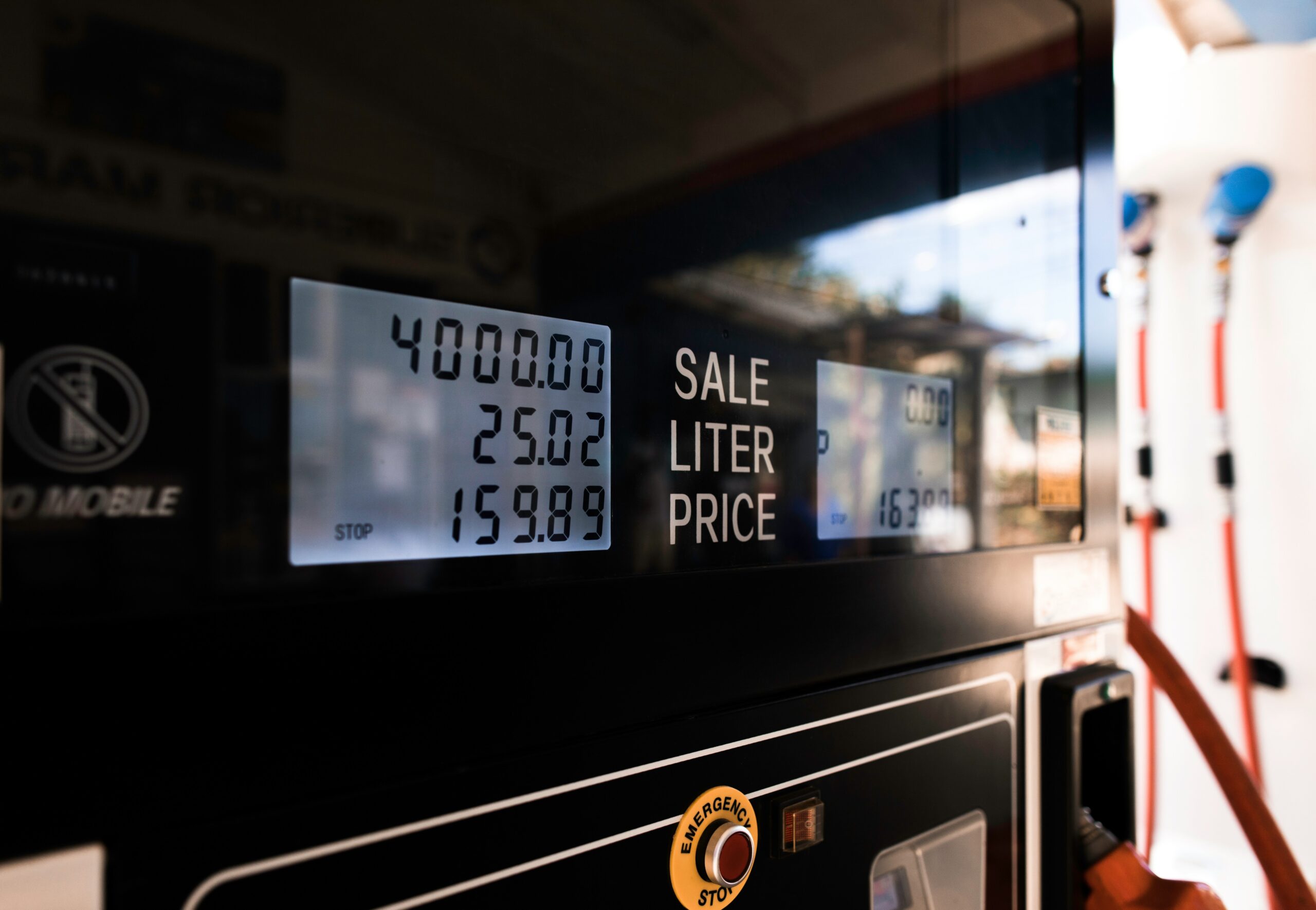
Gas Price Chaos Hits Local Businesses Hard
Rising fuel prices are creating serious pressure for local businesses, forcing owners to rethink how they operate, deliver products, serve customers, and protect profit margins. What once felt like a routine business expense has now become one of the biggest challenges for small shops, restaurants, delivery services, contractors, and independent retailers.
The latest fuel jump is not just hurting daily commuters. It is also affecting businesses that depend on vehicles, shipping, supplies, customer visits, and mobile services. AAA reported on May 7, 2026, that the national average for regular gasoline rose 25 cents for the second straight week to $4.55 per gallon, reaching its highest level since 2022.
Why Rising Fuel Prices Are a Serious Problem
For many companies, gas price chaos creates a chain reaction. When fuel becomes more expensive, delivery costs increase. When delivery costs rise, product prices often follow. This puts business owners in a difficult position: either raise prices and risk losing customers, or absorb the cost and accept lower profits.
Small businesses are especially vulnerable because they often do not have the same financial cushion as large corporations. A local bakery, florist, repair company, cleaning service, food truck, or courier business may feel the pressure almost immediately. Even a small increase at the pump can become a major monthly expense when vehicles are used every day.
Local Businesses Forced to Make Tough Changes
To survive the pressure, many local businesses are making difficult adjustments. Some are reducing delivery areas, combining routes, adding small fuel surcharges, or changing supplier schedules. Others are reviewing staffing hours, cutting unnecessary trips, and encouraging customers to order in advance.
Retailers are also feeling the impact through higher shipping and inventory costs. A report from Jefferson Public Radio noted that small retailers are dealing with rising fuel and shipping prices on top of other cost pressures, creating uncertainty about how long some businesses can absorb the burden.
Delivery Services and Restaurants Feel the Pain
Restaurants, grocery stores, catering companies, and delivery-based businesses are among the hardest hit. These companies rely heavily on transportation, whether they are bringing food to customers, picking up supplies, or managing vendor deliveries.
Some restaurants may increase menu prices slightly to cover higher supply costs. Others may limit delivery distances or increase minimum order amounts. While these changes can help businesses stay afloat, they may also frustrate customers who are already dealing with their own fuel and household expenses.
This is where the challenge becomes more serious. Businesses must balance survival with customer loyalty. Raise prices too much, and customers may cut back. Keep prices too low, and the business may lose money.
Contractors and Service Providers Also Struggle
The impact of rising fuel prices is not limited to stores and restaurants. Plumbers, electricians, landscapers, HVAC workers, cleaners, mobile mechanics, and other service providers are also facing higher operating costs.
These businesses often travel from one job site to another throughout the day. When gas prices rise quickly, every appointment becomes more expensive. Some companies may group appointments by location, add travel fees, or prioritize nearby customers to reduce fuel use.
For customers, this may mean higher service charges or longer wait times. For business owners, it means another layer of planning in an already difficult economy.
Customers May See Higher Prices
One of the biggest effects of fuel price impact is that customers may eventually pay more. Local businesses cannot always absorb higher costs forever. When fuel, shipping, and supplier costs rise together, price increases often become unavoidable.
However, many business owners are trying to avoid sudden or extreme hikes. Instead, they may introduce small adjustments, temporary surcharges, or limited-time pricing changes. This allows them to remain transparent while still protecting their operations.
Smart Strategies Businesses Are Using
Many local companies are responding with practical cost-saving strategies. Some are using route-planning apps to reduce unnecessary driving. Others are switching to bulk ordering, sharing supplier trips, or negotiating better delivery terms.
Businesses are also improving communication with customers. Clear notices about delivery fees, fuel surcharges, and pricing changes can help reduce confusion. Customers are often more understanding when businesses explain why changes are happening.
Another growing strategy is local sourcing. Buying from nearby suppliers can reduce transportation costs while also supporting the local economy. For food businesses, local farms and producers may become more attractive options during fuel price spikes.
Gas Price Chaos Creates Both Risk and Opportunity
Although the situation is difficult, it may also push businesses to become more efficient. Companies that review expenses, reduce waste, optimize delivery routes, and improve planning may come out stronger in the long run.
Still, the short-term pressure remains serious. Gas price chaos can damage profits, raise customer prices, and force business owners to make choices they would rather avoid. For many small businesses, the next few weeks could be critical.
Also Read About: Heroic Pet Saves Ottawa Couple From Tragic Overnight Fire Disaster