
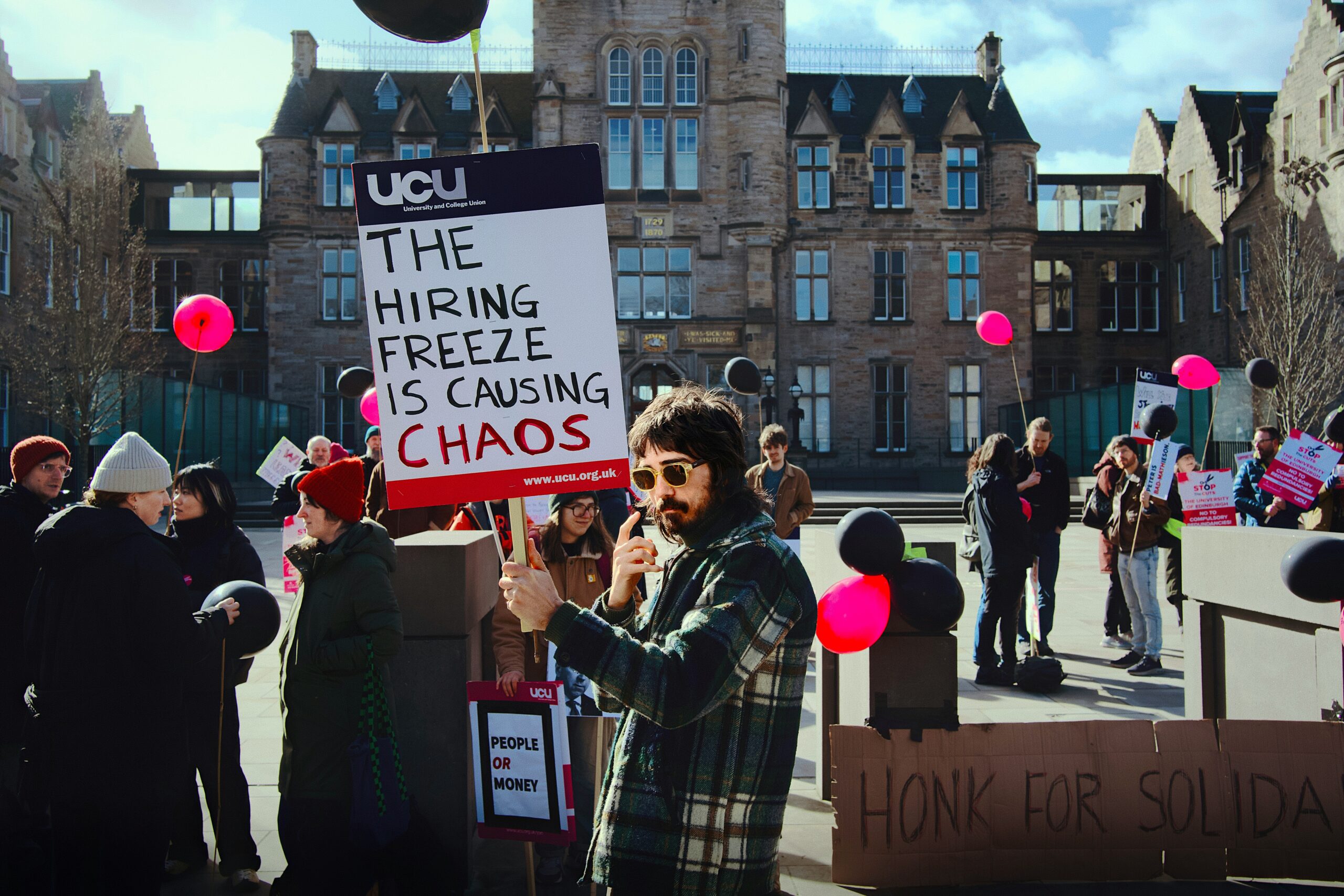
Student unions have long been seen as the voice of students, representing concerns about education, campus life, affordability, safety, equality and institutional accountability. But as universities become more complex, a growing debate is emerging around student unions and professional power. Who is truly leading the conversation — elected student representatives, paid staff, university administrators, or external professionals?
This question matters because student unions are not just social bodies. They influence policy discussions, manage services, organize campaigns, support student welfare and sometimes handle large budgets. When professional expertise enters student-led spaces, it can bring stability and experience. However, it can also raise concerns about whether student voices remain at the centre of decision-making.
The Changing Role of Student Unions
Modern student unions are far more than clubs or campus activity groups. They often provide academic support, mental health resources, advocacy services, event planning, financial guidance and representation in university governance.
Because of this expanding role, many student unions now rely on professional staff, legal advisers, communications teams, policy experts and experienced managers. These professionals help unions operate efficiently and protect students from poor decisions or legal risks.
However, the rise of professional involvement has also created a difficult question: Does professional power strengthen student unions, or does it weaken student leadership?
Why Professional Power Exists in Student Unions
Professional power in student unions usually develops for practical reasons. Elected student leaders often serve short terms, sometimes only one year. They may be passionate and committed, but they may not have deep experience in governance, finance, human resources, legal compliance or long-term strategy.
Paid professionals can provide continuity. They remember previous decisions, understand institutional rules and help student leaders avoid mistakes. In many cases, they protect the union from instability and ensure services continue even when student leadership changes.
This professional support can be positive when it empowers students. But it becomes controversial when professionals appear to guide, control or limit what elected student leaders can do.
Who Is Truly Leading the Conversation?
The central issue is not whether professionals should be involved. The real question is whether they are supporting student democracy or quietly shaping it.
In a healthy student union, elected students should set the direction. They should decide campaign priorities, represent student concerns and speak openly on behalf of their peers. Professional staff should provide advice, structure and practical support.
But problems can arise when professional voices carry more influence than student voices. This may happen when staff control access to information, shape meeting agendas, manage communications or discourage controversial campaigns.
When that happens, student unions risk becoming less student-led and more professionally managed.
The Positive Side of Professional Expertise
Professional involvement is not automatically negative. In fact, many student unions would struggle without experienced staff.
Professionals can help with:
Better Governance
Student unions often deal with constitutions, elections, board meetings, compliance rules and financial procedures. Professional guidance helps ensure decisions are fair, legal and transparent.
Stronger Student Services
From advice centres to welfare support, professional teams can deliver reliable services that students depend on.
Long-Term Stability
Student officers change regularly, but staff can maintain institutional memory and keep important projects moving forward.
Safer Decision-Making
Professional expertise can prevent rushed decisions, financial errors and legal problems.
When used correctly, professional power can make student unions stronger, safer and more effective.
The Negative Side of Professional Influence
Despite these benefits, there are real concerns. Student unions exist to represent students, not to operate like corporate departments.
If professionals become too dominant, several risks can appear.
Student Voices May Be Weakened
Students may feel that their elected leaders are not truly in control.
Campaigns May Become Less Bold
Professional caution can sometimes reduce activism, especially on controversial political or institutional issues.
Accountability Can Become Confusing
If decisions are shaped behind the scenes, students may not know who is responsible.
The Union May Lose Its Democratic Identity
A student union should reflect student priorities, not just administrative efficiency.
This is why transparency is essential.
Student Leadership vs Professional Management
The best student unions balance student leadership with professional management. Students bring lived experience, urgency and democratic legitimacy. Professionals bring expertise, continuity and operational skill.
Neither side should completely dominate.
Student leaders must be confident enough to ask difficult questions, challenge advice when needed and represent students honestly. At the same time, professionals must respect that their role is to support student decision-making, not replace it.
The strongest model is partnership, not control.
Why This Debate Matters Now
The debate around student unions and professional power is becoming more important because students are facing serious challenges. Rising living costs, academic pressure, housing problems, mental health concerns and questions about equality have made student representation more significant than ever.
Students need unions that are brave enough to speak up and professional enough to deliver results.
If unions become too informal, they may fail to manage responsibilities effectively. If they become too professionalized, they may lose the energy and independence that make student movements powerful.
The challenge is finding the right balance.
How Student Unions Can Protect Student Power
Student unions can maintain student leadership while benefiting from professional expertise by focusing on transparency and accountability.
They should clearly define the roles of elected officers, staff members and boards. Students should know who makes decisions and how those decisions are made.
Training for student leaders is also important. When elected representatives understand governance, finance and policy, they are less likely to become overly dependent on professional staff.
Open communication with the wider student body can also protect democracy. Regular updates, public meetings, accessible reports and clear consultation processes help students feel included.
The Future of Student Unions
The future of student unions will depend on whether they can remain both professional and democratic. Professional support is necessary, but it should never silence student leadership.
A strong student union should be organized, accountable and effective. But it should also be bold, representative and student-led.
The real power should not belong only to professionals or only to elected officers. It should come from a clear partnership where students lead the vision and professionals help deliver it.
Also Read About: Teen Driver Faces Serious Trouble After Third Stunt Driving Charge in Just Six Months