
Former Diplomats Push Ottawa for Canadian Sanctions on Israel
A group of former senior Canadian diplomats is urging Ottawa to take a tougher position on Israel, calling for Canadian sanctions on Israel amid worsening concerns in Gaza, the West Bank and Lebanon.
According to The Canadian Press, nearly 200 former senior diplomats signed a letter asking Prime Minister Mark Carney’s government to impose “robust” sanctions on Israel. The letter also urges Ottawa to review Canada’s trade agreement with Israel and warn that a strategic partnership agreement could be suspended if conditions do not improve.
The demand places new pressure on the federal government at a time when Canada’s Middle East policy is already under intense political and diplomatic scrutiny.
Why Former Diplomats Want Tougher Action
The former diplomats argue that international pressure is needed because, in their view, Israel is continuing actions that undermine international law, human rights and the possibility of a two-state solution.
Their letter cites several concerns, including restrictions on humanitarian aid and journalists entering Gaza, rising settler violence in the West Bank, and civilian deaths in Lebanon. The letter also says Israel’s campaign in Lebanon has caused a high civilian death toll, while Israel has said its operations are aimed at Hezbollah.
The diplomats also argue that the situation has worsened since Canada recognized the State of Palestine in 2025. They point to settlement expansion plans and violence by extremist settlers as major threats to the possibility of a contiguous Palestinian territory.
What Sanctions Are Being Requested?
The former diplomats are not only calling for symbolic condemnation. They want Ottawa to move toward concrete economic, legal and diplomatic action.
Their requests reportedly include reviewing Canada’s trade relationship with Israel, warning of a possible suspension of strategic partnership arrangements, taking legal action against Canadian companies involved in settlement construction, and accelerating efforts to revoke charitable status for groups that support settlements or fund the Israeli military.
They also want Canada to provide stronger support for international legal processes involving the International Criminal Court and the International Court of Justice over allegations connected to war crimes and genocidal acts in the region.
Canada Has Already Used Targeted Sanctions
The call for broader Canadian sanctions on Israel comes after Ottawa had already taken targeted action against individuals and entities linked to extremist settler violence.
Canada introduced sanctions related to extremist settler violence on May 16, 2024. Global Affairs Canada says those measures prohibit dealings with listed individuals and make them inadmissible to Canada under immigration law.
Canada later expanded those measures multiple times. In June 2025, Ottawa added Israeli ministers Itamar Ben-Gvir and Bezalel Smotrich to its sanctions list, saying the action was taken in coordination with the United Kingdom, Australia, New Zealand and Norway.
At the time, Global Affairs Canada said the sanctions did not change Canada’s support for Israel’s security and that Canada continued to condemn the October 7 Hamas attacks. Ottawa also said it opposed settlement expansion and remained committed to a comprehensive peace process.
Why This Debate Matters for Ottawa
The latest appeal from former diplomats raises a difficult question for the Carney government: should Canada continue with targeted sanctions, or should it move toward broader measures affecting Israel’s government, trade ties or institutional agreements?
Supporters of tougher sanctions argue that statements of concern are no longer enough. They believe sanctions are necessary to pressure Israel over humanitarian conditions in Gaza, settlement expansion in the West Bank and military actions in Lebanon.
Opponents or critics of broader sanctions may argue that Canada must preserve diplomatic channels, maintain support for Israel’s security, and avoid measures that could reduce Canada’s ability to influence both Israeli and Palestinian leadership.
Gaza, West Bank and Lebanon Concerns Drive Pressure
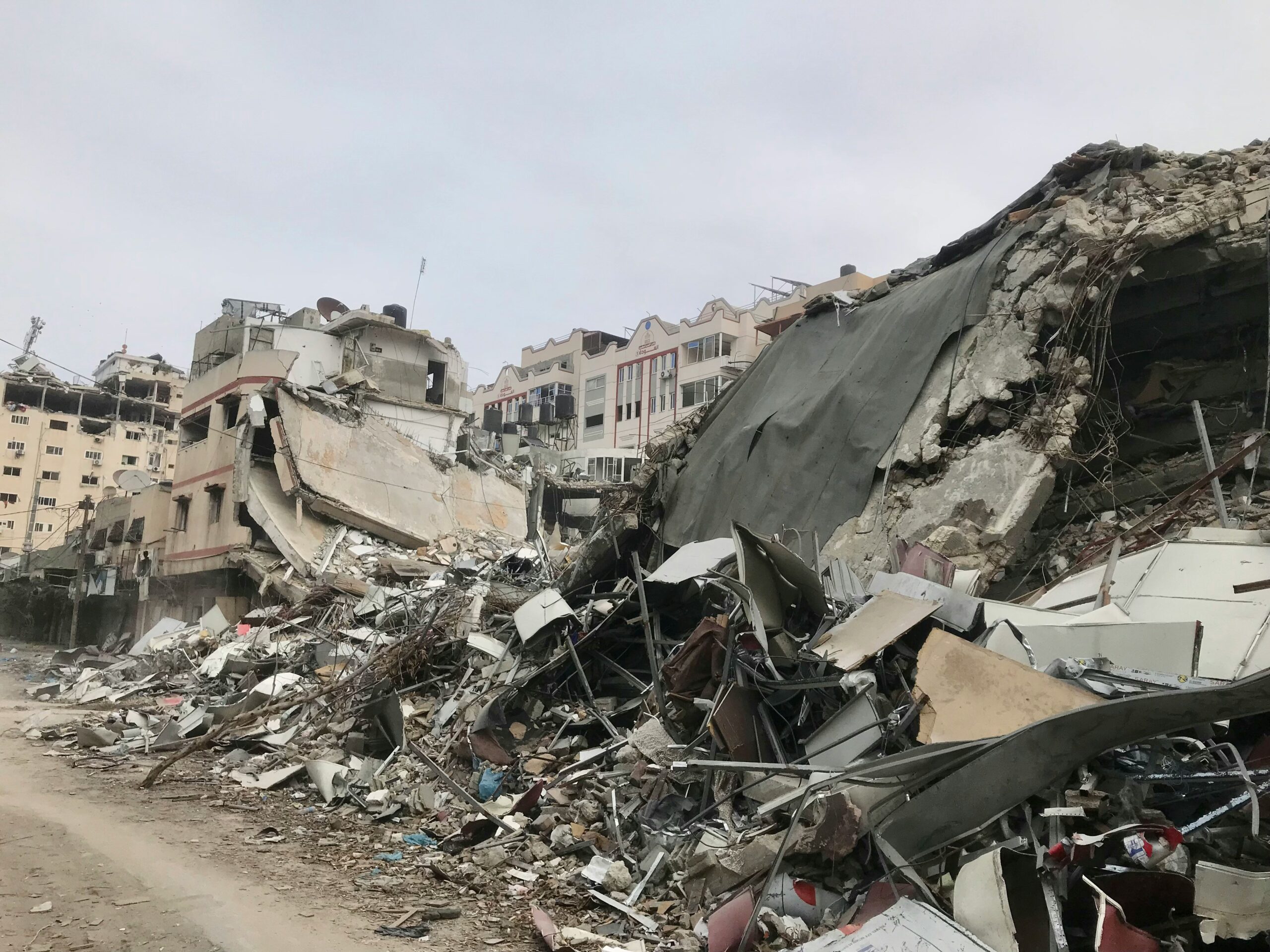
The letter comes as the humanitarian and political situation in the region remains deeply unstable. The former diplomats cite damage to civilian infrastructure in Gaza, including hospitals and water facilities, as part of their argument for stronger Canadian action.
The West Bank is another major focus. Canada’s own sanctions framework says extremist settler violence undermines peace and security in Israel and the occupied Palestinian territories. The regulations prohibit Canadians from dealing in property owned or controlled by listed persons and from providing financial services to them.
Lebanon adds another layer to the debate. The former diplomats acknowledge Israel’s security concerns regarding Hezbollah but argue that civilian casualties and destruction raise serious international law concerns. Israel has said its military campaign is targeting Hezbollah.
Political Pressure Could Grow
The diplomats’ letter may increase pressure on Ottawa from human rights groups, opposition politicians and voters who want Canada to take a stronger position. It may also deepen criticism from groups that believe sanctions unfairly target Israel during ongoing conflict with Hamas and Hezbollah.
The Canadian Press reported that Israel’s ambassador to Canada declined to comment on the diplomats’ letter, while Global Affairs Canada had not provided a statement by the story’s deadline.
Also Read About: Alberta Oil Pipeline Faces Uncertainty as Ottawa Targets Fall 2027 Approval