
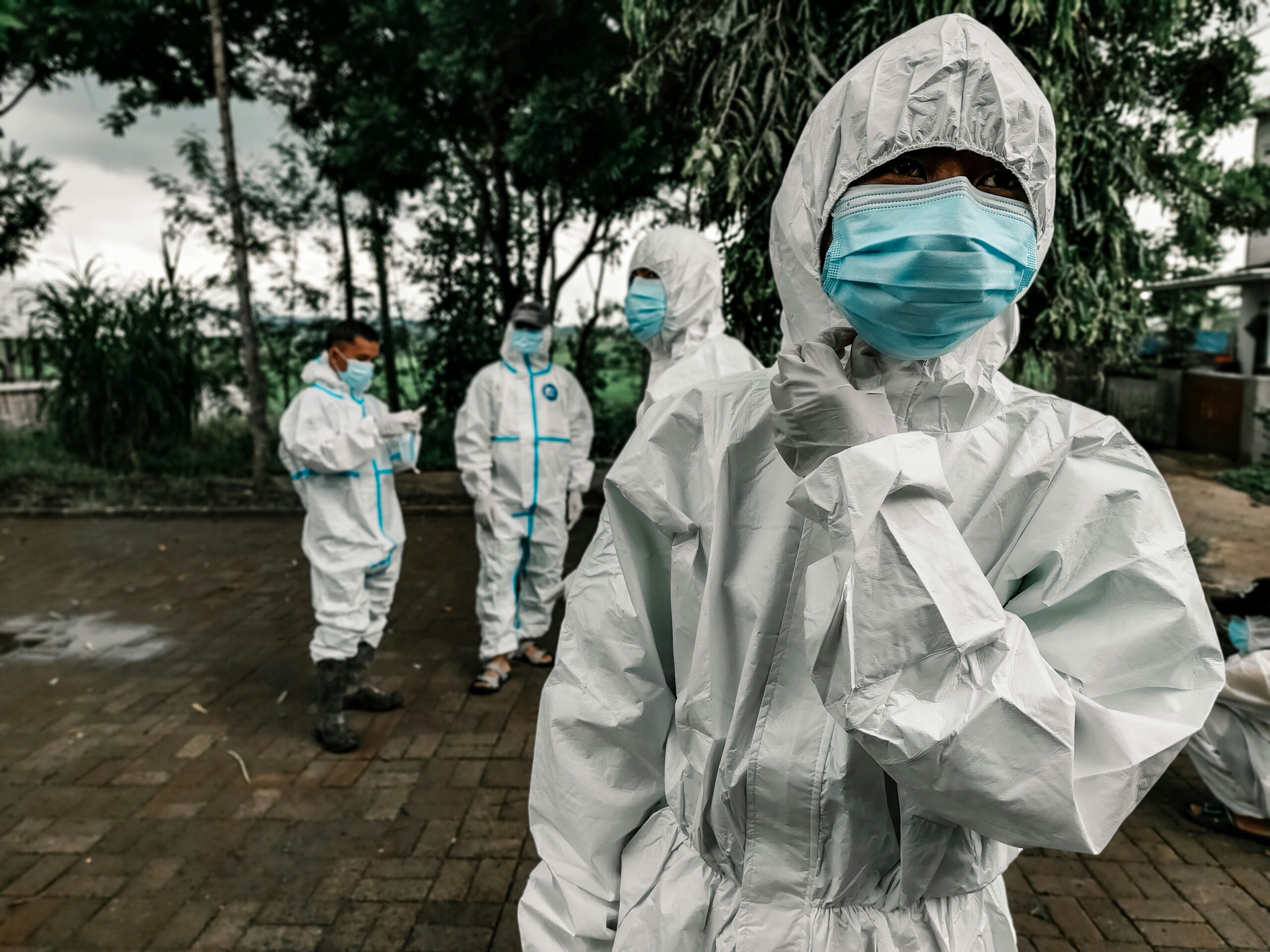
The Canada Ebola travel ban debate is growing after the United States introduced temporary entry restrictions and enhanced screening measures in response to a serious Ebola outbreak in the Democratic Republic of the Congo and Uganda. The move has raised a difficult question for Canadian officials: should Canada follow the U.S. approach, or continue relying on travel advisories, screening, monitoring and public health guidance?
The outbreak has already been declared a Public Health Emergency of International Concern by the World Health Organization. WHO said the situation involves Ebola disease caused by the Bundibugyo virus in the Democratic Republic of the Congo and Uganda, with concerns about suspected cases, deaths, regional spread, insecurity and the lack of approved Bundibugyo-specific vaccines or treatments.
Why the Canada Ebola Travel Ban Debate Is Growing
The debate intensified after the U.S. Centers for Disease Control and Prevention announced that, starting May 18, 2026, federal agencies would implement enhanced travel screening, entry restrictions and other public health measures to reduce the risk of Ebola entering the United States. The CDC said the temporary order would last 30 days and includes entry restrictions on non-U.S. passport holders who had been in Uganda, the DRC or South Sudan during the previous 21 days.
The policy quickly had real-world effects. An Air France flight headed to Detroit was diverted to Montreal after a passenger from the Congo boarded in Paris “in error” despite U.S. Ebola-related restrictions. U.S. officials said the traveller should not have boarded under the new rules, while Canadian health officials assessed the passenger as asymptomatic before the person returned to Paris.
For Canada, the incident brought the issue closer to home. Even though the flight was U.S.-bound, it landed in Montreal because of American entry rules. That has made many Canadians ask whether Ottawa should adopt a tougher border policy of its own.
Canada’s Current Approach to Ebola Travel Risk
As of May 22, 2026, Canada’s public travel guidance appears to focus on travel health notices, destination advisories, health screening awareness and monitoring rather than a broad U.S.-style entry ban. Canada’s travel health notice list shows a Level 2 notice for Ebola disease in the Democratic Republic of the Congo, meaning travellers should practise enhanced health precautions.
Canada’s advisory for the DRC also warns travellers that Ebola-related health exit screening may apply, including health forms and temperature checks. It notes that some countries have imposed entry restrictions on people arriving from or recently visiting the DRC, and travellers may face health screening, isolation, quarantine or travel restrictions if they are suspected of having Ebola symptoms.
For Uganda, Canada’s travel advice says the country confirmed an Ebola outbreak on May 15, 2026, linked to imported cases from the DRC. The guidance advises travellers to avoid contact with symptomatic people, bodies of people who died from Ebola or unknown illness, nonurgent visits to healthcare facilities in outbreak areas, and close contact with animals. It also urges travellers to monitor their health for 21 days after leaving an affected area.
Arguments for a Canada Ebola Travel Ban
Supporters of stricter restrictions argue that a Canada Ebola travel ban could reduce the risk of imported cases, especially during the early phase of an outbreak when the full scale of transmission may not be clear. Ebola is a severe disease, and even one imported case can require major public health resources for isolation, contact tracing, hospital readiness and community reassurance.
The WHO has said the outbreak is a serious concern because there are almost 600 suspected cases and 139 suspected deaths, and the numbers were expected to increase because the virus had likely been circulating before detection. WHO also assessed the risk as high at national and regional levels, although low at the global level.
From a border-safety perspective, supporters may argue that Canada should act before a case arrives, not after. They may also say that temporary restrictions could give health agencies more time to strengthen hospital preparedness, laboratory capacity and traveller monitoring.
Arguments Against a Canada Ebola Travel Ban
Critics argue that broad travel bans can create more problems than they solve. Public health experts often warn that bans may discourage transparency, delay reporting, disrupt humanitarian aid and push travel through informal routes that are harder to monitor.
The Africa CDC criticized generalized travel restrictions and border closures, saying they can create fear, damage economies, complicate health operations and potentially increase public health risks by encouraging unmonitored movement.
The Infectious Diseases Society of America also criticized policies that single out non-citizens, saying diseases do not recognize passports and that investment in public health, monitoring, research and global coordination is more effective than nationality-based restrictions.
For Canada, this raises a key question: would a ban truly improve safety, or would targeted screening, clear travel advisories, rapid testing, hospital readiness and international cooperation provide stronger protection?
What Canada Could Do Instead
Canada does not have to choose only between doing nothing and imposing a full travel ban. A middle-ground approach could include stronger arrival screening for travellers from affected areas, clearer public messaging, direct follow-up for high-risk travellers, enhanced airport readiness and closer coordination with airlines.
Canada already has recommendations for monitoring travellers from Ebola-affected areas. Public Health Agency of Canada guidance says travellers with no known exposure should check official information and watch for symptoms for 21 days, while travellers with low-risk exposure should self-identify to public health authorities after arrival for counselling and monitoring guidance.
This kind of risk-based system may allow Canada to protect public health without creating unnecessary disruption for travellers, families, aid workers, medical teams and communities connected to affected regions.
Canada’s Bigger Public Health Challenge
The Canada Ebola travel ban debate is not only about border control. It is also about how Canada responds to global health emergencies. Canada’s Health Minister recently emphasized the importance of international cooperation, saying that shared challenges require shared solutions and that recent Ebola and hantavirus outbreaks reaffirm WHO’s leadership role in global health.
That message suggests Ottawa may be more likely to support coordinated public health action rather than unilateral travel bans. Still, pressure could grow if the outbreak expands, more countries impose restrictions, or a suspected case reaches North America.
Also Read About: Canada’s Nanisivik Naval Port Plan Faces Backlash as Ottawa Prepares Shutdown