
Eating for better cholesterol does not have to be expensive. With the right heart-healthy pantry staples, families can build simple meals that support heart health, improve fiber intake, and reduce reliance on heavily processed foods.
High cholesterol, especially high LDL or “bad” cholesterol, is a major concern because it can increase the risk of heart disease over time. While medication may be necessary for some people, food choices also play an important role in cholesterol management. The good news is that many helpful foods are affordable, easy to store, and simple to use in everyday meals.
These six pantry staples can help support better cholesterol on a budget.
Why Pantry Staples Matter for Cholesterol
Pantry foods are important because they make healthy eating easier. When affordable, heart-friendly ingredients are already at home, people are more likely to cook simple meals instead of choosing fast food or processed snacks.
The best heart-healthy pantry staples usually contain soluble fiber, unsaturated fats, plant protein, antioxidants, or minerals that support overall cardiovascular health. Foods such as oats, beans, lentils, nuts, seeds, and olive oil can fit into many meals without requiring complicated recipes.
A heart-healthy diet should also limit saturated fat, trans fat, excess salt, and highly processed foods. Pantry staples are not a magic cure, but they can support better habits when used consistently.
1. Oats
Oats are one of the most affordable and useful foods for cholesterol support. They contain beta-glucan, a type of soluble fiber that helps reduce the absorption of cholesterol in the bloodstream.
Oats can be used for breakfast, smoothies, homemade granola, muffins, or even savory meals. A bowl of oatmeal with fruit and nuts is simple, filling, and budget-friendly.
For the best value, choose plain rolled oats or steel-cut oats instead of flavored packets. Flavored instant oats often contain added sugar, which may reduce the overall health benefit.
2. Beans
Beans are a powerful pantry staple for better cholesterol because they are rich in soluble fiber and plant-based protein. Black beans, kidney beans, pinto beans, chickpeas, and navy beans can all support heart-friendly meals.
Beans also help people feel full, which may support weight management. Since body weight can affect cholesterol levels, adding beans to meals may offer multiple benefits.
Canned beans are convenient, while dried beans are usually cheaper. If using canned beans, rinsing them can help reduce sodium. Beans work well in soups, salads, rice bowls, tacos, wraps, and stews.
3. Lentils
Lentils are another affordable option that deserves a place among heart-healthy pantry staples. They cook faster than many dried beans and provide fiber, protein, iron, and other nutrients.
Lentils can be used to replace some or all of the meat in recipes, which may help reduce saturated fat intake. This is important because saturated fat can raise LDL cholesterol in many people.
Red lentils are great for soups and curries, while green or brown lentils work well in salads, stews, and grain bowls. They are filling, inexpensive, and easy to store.
4. Nuts
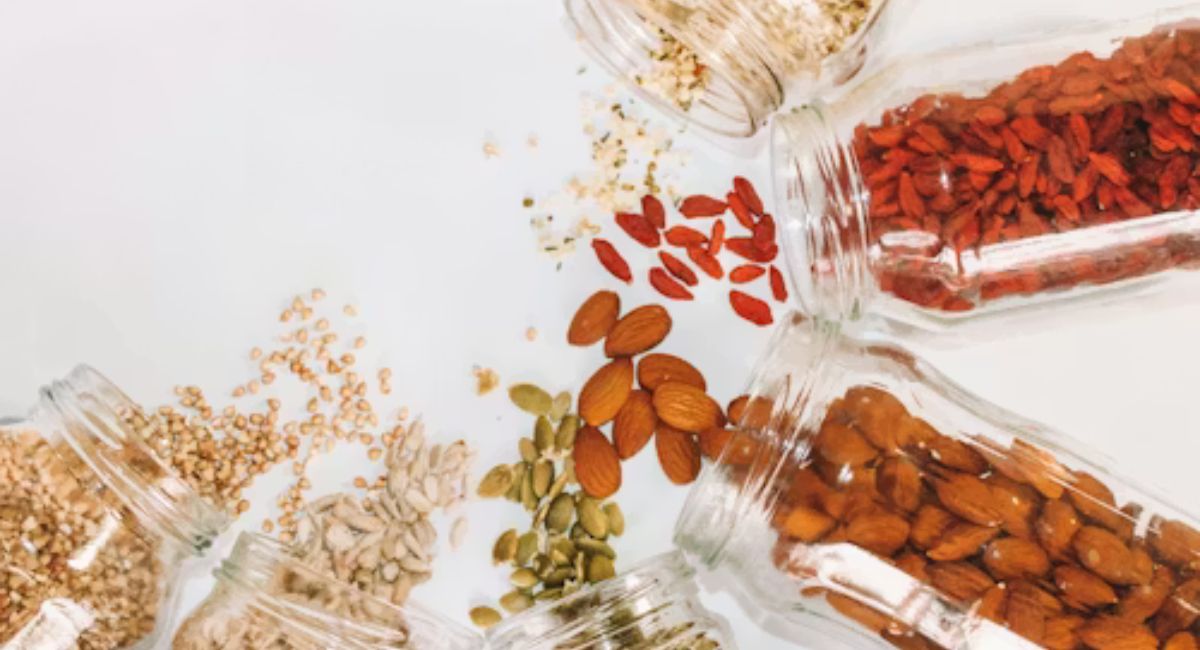
Nuts can be more expensive than oats or beans, but they are still a smart pantry food when used in small portions. Almonds, walnuts, peanuts, and pistachios provide unsaturated fats, fiber, and plant-based nutrients that support heart health.
Because nuts are calorie-dense, portion control matters. A small handful can be enough as a snack or topping for oatmeal, yogurt, salads, or roasted vegetables.
Choose unsalted or lightly salted nuts when possible. Avoid heavily sweetened or candy-coated varieties, which can add unnecessary sugar and calories.
5. Ground Flaxseed
Ground flaxseed is a budget-friendly way to add fiber and plant-based omega-3 fats to meals. It can be stirred into oatmeal, smoothies, yogurt, pancake batter, muffins, or homemade energy bites.
Flaxseed works best when it is ground because whole flaxseed may pass through the digestive system without being fully absorbed. A small amount can add nutrition without changing the taste of a meal too much.
Like other high-fiber foods, flaxseed should be added gradually, especially for people who are not used to eating much fiber. Drinking enough water is also important.
6. Extra-Virgin Olive Oil
Extra-virgin olive oil is a heart-friendly pantry staple because it contains mostly unsaturated fat. Using olive oil instead of butter, lard, or shortening can help reduce saturated fat intake.
Olive oil can be used for salad dressings, roasting vegetables, cooking beans, or adding flavor to whole-grain dishes. Even though it is healthy, it is still high in calories, so moderate use is best.
For budget shopping, buy a size you can use before it loses freshness. Store olive oil away from heat and light to protect its quality.
How to Use These Staples in Budget Meals
These foods are most helpful when they become part of regular meals. A simple cholesterol-friendly day could include oatmeal for breakfast, lentil soup for lunch, and a bean bowl with vegetables for dinner.
Small changes can add up. Replacing processed snacks with nuts, adding beans to soups, using oats instead of sugary breakfast foods, and cooking with olive oil instead of butter can all support a healthier eating pattern.
The goal is not perfection. The goal is building meals that are affordable, filling, and better for the heart.
Foods to Limit for Better Cholesterol
Adding heart-healthy pantry staples is helpful, but it is also important to reduce foods that may raise cholesterol. These include processed meats, fried foods, butter-heavy meals, full-fat dairy products, packaged snacks, and foods made with trans fats.
People should also watch sodium levels, especially when buying canned or packaged foods. Choosing low-sodium options or rinsing canned beans can make pantry meals healthier.
Sugary foods and drinks may not directly raise LDL the same way saturated fat can, but they can contribute to weight gain and poor overall heart health when consumed often.
When to Speak With a Doctor
Diet can help support better cholesterol, but it may not be enough for everyone. Some people have high cholesterol because of genetics, age, diabetes, thyroid issues, kidney disease, or other health conditions.
Anyone with high cholesterol should follow medical advice and get regular blood tests. People taking cholesterol medication should not stop it without speaking to a health-care provider.
Food choices can work alongside treatment, but they should not replace professional care when medication is needed.
Also Read About: Low Folate and B12 Linked to Chronic Fatigue and Energy Loss