
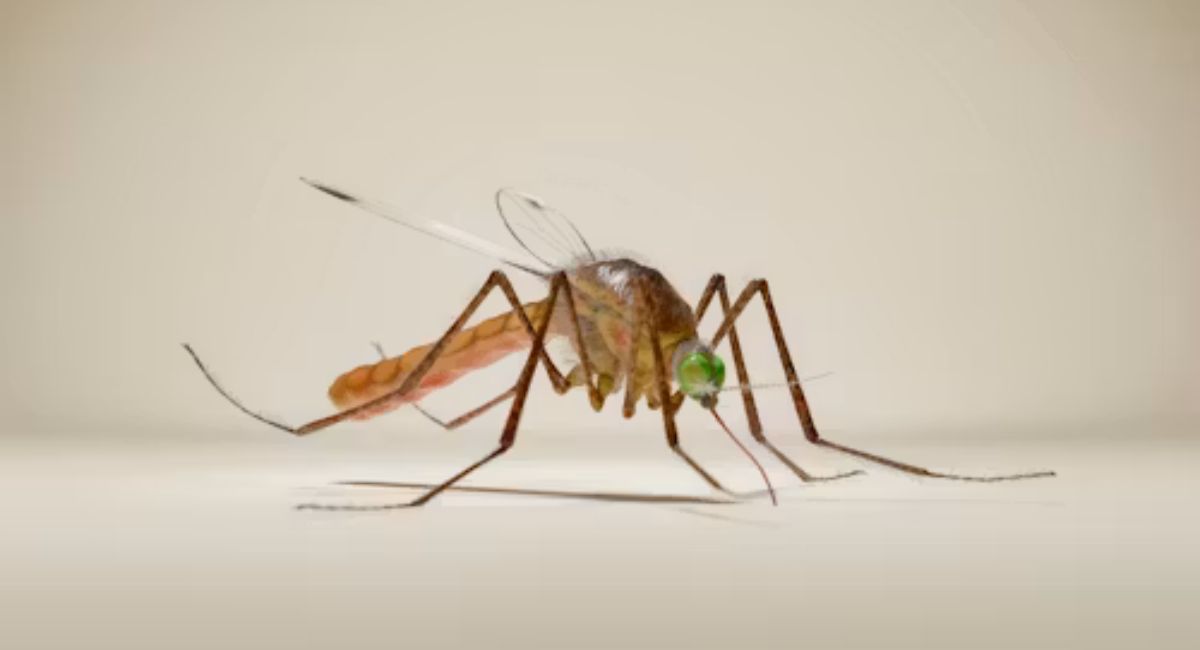
The world’s deadliest animal is not a shark, lion, crocodile or snake. It is much smaller, far more common, and often ignored until it bites.
The mosquito is widely considered the world’s deadliest animal because of the diseases it can spread to humans. While the insect itself may look harmless, its ability to transmit deadly infections makes it one of the biggest public health threats on the planet.
This tiny insect kills indirectly. It does not attack with strength or size. Instead, it spreads parasites and viruses that can cause severe illness, long-term suffering and death.
Why Mosquitoes Are So Dangerous
Mosquitoes are dangerous because they act as carriers for disease. When an infected mosquito bites a person, it can pass pathogens into the bloodstream. In many parts of the world, this creates a cycle where disease moves from mosquito to human and then continues spreading through more bites.
Malaria remains the most devastating mosquito-borne disease globally. It is caused by parasites transmitted through infected Anopheles mosquitoes. Symptoms can include fever, chills, headache, vomiting and severe weakness. Without treatment, malaria can become life-threatening.
Mosquitoes can also spread dengue, Zika virus, chikungunya, yellow fever, West Nile virus and lymphatic filariasis. These diseases affect millions of people each year and place major pressure on health systems.
Malaria Remains The Biggest Killer
The biggest reason mosquitoes top the list is malaria. The disease continues to cause hundreds of thousands of deaths every year, especially in regions with limited access to prevention, testing and treatment.
Children under five and pregnant women are among the most vulnerable. In high-risk regions, a single infected bite can lead to serious illness if treatment is delayed.
This is why public health experts focus heavily on mosquito control, bed nets, indoor spraying, vaccines, rapid testing and access to medicine. Fighting mosquitoes is not just about avoiding itchy bites. It is about preventing deadly disease.
Small Insect, Massive Global Impact
What makes mosquitoes especially difficult to control is how quickly they reproduce. Many species breed in standing water, including buckets, drains, old tires, plant pots, puddles and blocked gutters.
A small amount of stagnant water can become a breeding site. That means mosquito control often begins at home and in local communities.
Unlike large predators, mosquitoes live close to people. They enter homes, gather near water, bite during outdoor activities and thrive in warm, humid conditions. Their size allows them to spread quietly, which makes the threat easy to underestimate.
Not Every Mosquito Is Deadly
It is important to understand that not every mosquito carries disease. Many bites only cause itching, redness or mild swelling. However, in areas where mosquito-borne diseases are present, the risk becomes much more serious.
Different mosquito species carry different diseases. Some bite during the day, while others are more active at night. This is why prevention advice can vary depending on the disease and location.
Still, the basic message is the same: avoiding mosquito bites can protect your health.
How To Reduce Mosquito Risk
People can reduce mosquito risk by using insect repellent, wearing long sleeves and pants when needed, sleeping under treated bed nets in high-risk areas, and removing standing water around homes.
Window screens, air conditioning and properly covered water containers can also help reduce exposure. Travellers visiting areas with malaria risk should seek medical advice before travel, as preventive medication may be recommended.
Community action matters too. Mosquito control works best when neighbourhoods, local governments and health agencies work together to reduce breeding sites and improve public awareness.
Why The Answer Still Surprises People
The mosquito surprises people because humans tend to fear large animals more than small ones. Sharks, bears and snakes look dangerous, so they dominate public imagination. Mosquitoes do not look frightening, but their impact is far greater.
The real danger comes from disease transmission, not the bite itself. That is what makes the mosquito so deadly and why experts continue to call it one of the world’s most dangerous creatures.
Also Read About: Canada Earns Historic World Cup Point As Fans Celebrate 1-1 Draw In Toronto