
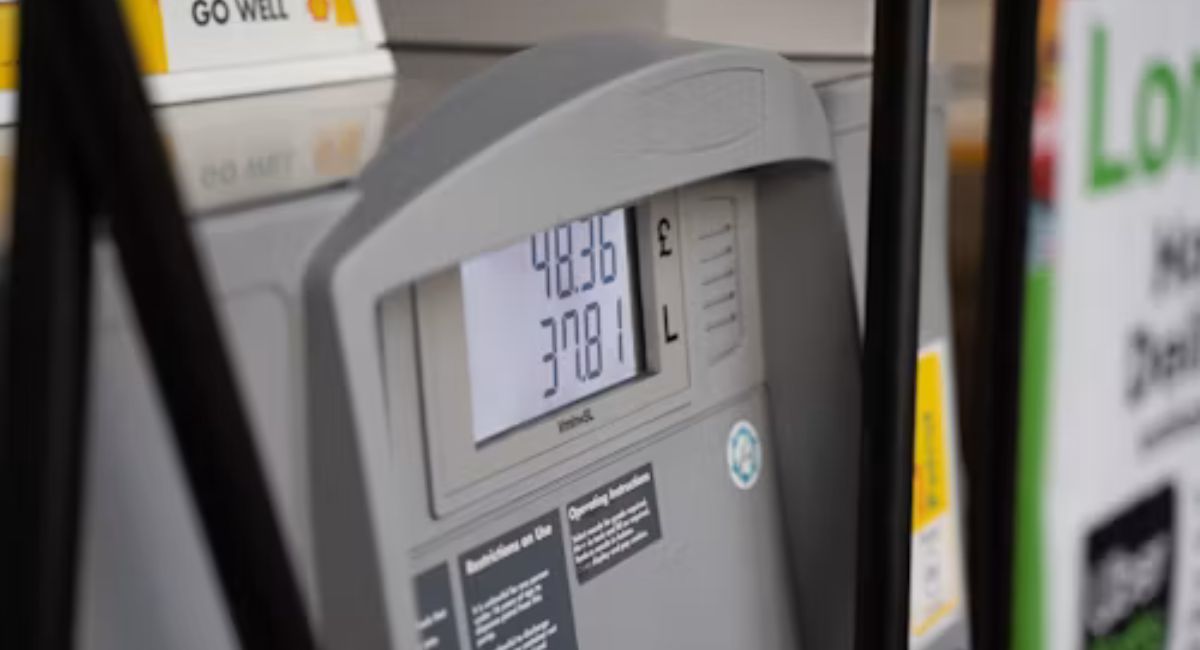
Ottawa Gas Tax Relief is becoming a major affordability issue as drivers continue to feel pressure from fuel costs, daily commuting expenses, and the rising price of basic household needs. For many families, gasoline is not a luxury. It is part of getting to work, taking children to school, buying groceries, visiting family, and keeping small businesses moving.
The debate over gas tax relief is not just about the price at the pump. It is about how much room households have left in their budgets after paying for transportation, housing, food, insurance, and other essential costs. When fuel prices climb, the impact spreads quickly across the economy.
For that reason, many drivers believe Ottawa should go further with gas tax relief and make affordability a bigger priority.
Ottawa Gas Tax Relief Could Help Drivers Save At The Pump
The biggest reason people support Ottawa Gas Tax Relief is simple: every cent matters when fuel prices are high. A small reduction per litre may not look dramatic on one fill-up, but it can add up over weeks and months for commuters, delivery workers, tradespeople, and families with multiple vehicles.
Drivers who live outside major transit corridors often have fewer options. In suburban and rural areas, people may need to drive long distances for work, school, health appointments, and daily errands. For them, higher fuel costs are not easy to avoid.
Gas tax relief can offer direct and visible support. Unlike some affordability programs that take time to reach households, lower fuel taxes can be felt quickly when drivers fill their tanks.
Why Fuel Costs Are Straining Canadian Households
Fuel costs affect more than personal vehicles. Higher diesel and gasoline prices can also raise operating costs for trucking, construction, agriculture, delivery services, and small businesses. When businesses pay more to move goods and provide services, those costs can eventually reach consumers.
That means drivers may feel the burden twice. They pay more at the pump, and they may also pay more for goods transported by fuel-dependent industries.
This is why the call for Ottawa Gas Tax Relief has a wider economic argument. Supporters say reducing fuel taxes could help households directly while also easing pressure on businesses that rely on transportation.
Positive Impact Of More Gas Tax Relief
More gas tax relief could bring several benefits for drivers and families. It could lower the cost of commuting, reduce financial stress, and give households more breathing room in their monthly budgets.
For small businesses, lower fuel costs could help protect profit margins. Delivery companies, contractors, taxi drivers, rideshare drivers, farmers, and logistics operators all depend on fuel. Even a modest reduction can make a difference when vehicles are used every day.
There is also a confidence factor. When people feel that the government is responding to affordability concerns, it can reduce frustration and create a stronger sense of support during difficult economic periods.
Concerns About Gas Tax Relief
While many drivers welcome Ottawa Gas Tax Relief, critics argue that governments also need revenue to fund roads, transit, infrastructure, and public services. Fuel taxes are often connected to transportation funding, and reducing them can create budget pressure.
There is also the question of whether savings are fully passed on to consumers. If tax reductions do not clearly show up at the pump, drivers may not receive the full benefit. That is why transparency is important. Any gas tax relief plan should include clear monitoring to ensure savings reach the people it is meant to help.
Environmental concerns are also part of the debate. Some critics worry that cutting gas taxes may encourage more fuel use at a time when Canada is trying to reduce emissions. Supporters respond that affordability relief can still be temporary, targeted, and balanced with long-term clean transportation goals.
Ottawa Must Balance Relief And Responsibility
The strongest argument for more gas tax relief is not that taxes should disappear forever. It is that relief should match the pressure people are facing right now.
A balanced approach could include temporary tax reductions during periods of unusually high fuel prices, targeted support for lower-income drivers, and stronger oversight to make sure savings reach consumers. Ottawa could also combine short-term fuel relief with longer-term investment in public transit, electric vehicle access, and more affordable transportation options.
This would allow the government to respond to immediate affordability concerns without ignoring future transportation and climate goals.
What More Ottawa Gas Tax Relief Could Mean For Drivers
For the average driver, more Ottawa Gas Tax Relief would mean a lower cost every time they fill up. For a family with two vehicles, the savings could help cover groceries, utility bills, school expenses, or other household needs.
For workers who depend on vehicles, relief could reduce the daily cost of earning a living. For businesses, it could help control operating expenses during a time when many are already dealing with higher wages, rent, insurance, and supply costs.
Most importantly, it would send a message that affordability is being treated as a serious issue, not just a talking point.
Gas Tax Relief Remains A Key Affordability Debate
The pressure on drivers is unlikely to disappear overnight. Fuel prices can change quickly because of global oil markets, refinery issues, taxes, seasonal demand, and supply disruptions. That uncertainty makes transportation costs difficult for families and businesses to plan around.
That is why Ottawa Gas Tax Relief remains an important policy debate. Drivers want practical help, businesses want lower operating costs, and governments must decide how to balance relief with revenue needs.
A smart gas tax relief plan would not solve every affordability problem, but it could give drivers immediate support at a time when many feel squeezed. For households already dealing with higher living costs, even modest relief at the pump can make a real difference.
Also Read About: Ottawa Heat Wave Brings Sunny Vibes And Rising Temperature Concerns