
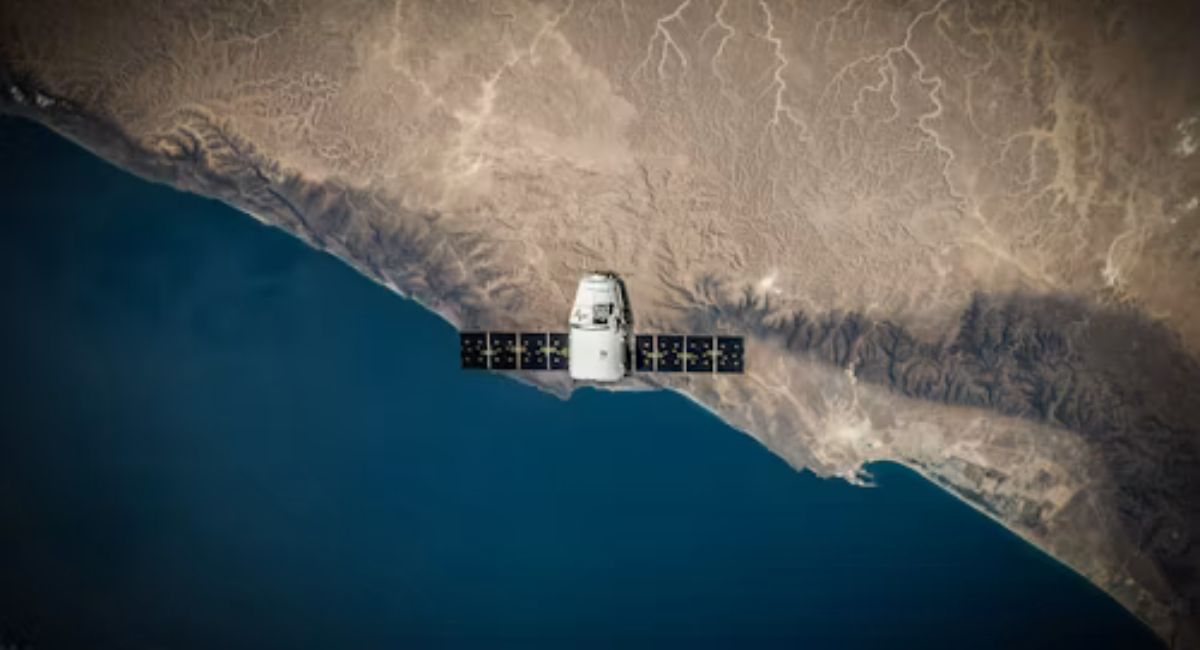
Canadarm2 Repairs are drawing major attention after the International Space Station’s famous Canadian robotic arm developed a problem with one of its wrist joints. The issue has paused normal operations for the arm and created a new test of cooperation between Canada and the United States in orbit.
Canadarm2 is one of Canada’s most important contributions to space exploration. Installed on the International Space Station in 2001 with help from Canadian astronaut Chris Hadfield, the robotic arm has spent decades moving equipment, supporting astronauts, helping with maintenance, and assisting visiting spacecraft.
Now, after years of service, the arm needs a repair that will require careful planning, technical skill, and close coordination between NASA and the Canadian Space Agency.
Canadarm2 Repairs Needed After Wrist Joint Problem
The current Canadarm2 Repairs focus on a wrist joint that did not move as expected during routine operations. Space agencies determined that the affected joint must be replaced during a spacewalk.
The good news is that Canadarm2 was designed for this kind of situation. Its parts can be replaced while the robotic arm remains in space. That design choice is important because Canadarm2 is a permanent part of the space station and will never be brought back to Earth for traditional repairs.
A spare part is already on the station, which gives astronauts and mission controllers a clear path forward. Still, any repair outside the space station is complex. Astronauts must work in bulky spacesuits, follow detailed procedures, and complete the task while orbiting hundreds of kilometres above Earth.
Canada-US Space Cooperation Takes Centre Stage
The Canadarm2 Repairs are also a reminder of how deeply connected Canada and the United States are in human spaceflight. NASA operates the International Space Station with international partners, while Canada provides key robotic systems and expertise.
Canadian engineers, flight controllers, and space robotics experts play an important role in keeping Canadarm2 working. NASA astronauts may perform the spacewalk, but the repair depends on Canadian design, Canadian technology, and Canadian operational support.
This partnership is not new. Canada’s robotic arms have supported American space missions for decades, beginning with the original Canadarm used on the space shuttle. Canadarm2 continued that legacy on the International Space Station, and Canadarm3 is expected to carry it forward for future lunar missions.
Why Canadarm2 Is So Important To The ISS
Canadarm2 is often described as a robotic workhorse for the International Space Station. It helps move equipment, supports spacewalks, handles external maintenance tasks, and has played a major role in station operations for more than two decades.
The arm can move around the outside of the station by attaching one end to different power and data points while the other end performs tasks. This gives it the ability to “walk” across the station and reach areas astronauts may need help accessing.
Because of this role, Canadarm2 Repairs matter far beyond one broken part. When the arm is unavailable, some station operations become more difficult or must be delayed. Getting it back to full use is important for safety, logistics, and future maintenance.
Positive Side Of The Canadarm2 Repair Mission
The positive side of the repair mission is that the problem appears manageable. Canadarm2 was built with replaceable parts, and spare hardware is already available in orbit. That means the repair plan can move forward without waiting for a new part to launch from Earth.
The mission also highlights Canada’s strong reputation in space robotics. A system that can be repaired after more than two decades in orbit shows the value of long-term engineering, planning, and international trust.
For Canada, the repair is another moment to show why its space technology remains essential. For NASA, it is another example of why international partnerships are critical to operating the space station.
Serious ISS Challenges Remain
At the same time, the Canadarm2 Repairs raise serious questions about aging space infrastructure. The International Space Station has been in orbit for more than 25 years, and many systems have been operating in a harsh space environment for a long time.
Space hardware faces extreme temperature changes, radiation, micrometeoroid risk, vibration, and constant operational demands. Even carefully designed systems can wear down over time.
The repair does not mean Canadarm2 has failed as a program. In fact, its long service record is impressive. But the issue does show why maintenance will become more important as the station moves toward the final years of its planned life.
Chris Hadfield’s Canadarm2 Legacy Returns To Focus
The repair story also brings Chris Hadfield’s role back into public attention. Hadfield helped install Canadarm2 during a historic mission that marked a major step for Canada in space.
For many Canadians, Canadarm2 is more than machinery. It is a symbol of national innovation, technical confidence, and Canada’s ability to contribute something vital to global space exploration.
The upcoming repair connects that past to the present. A robotic arm installed by a Canadian astronaut more than two decades ago is now being supported by a new generation of engineers, astronauts, and mission controllers.
Canadarm2 Repairs Show The Future Of Space Maintenance
The Canadarm2 Repairs also point toward the future of space exploration. As missions move farther from Earth, spacecraft and space stations will need to be repairable, flexible, and reliable for long periods.
Future lunar and deep-space systems cannot depend on easy returns to Earth. They will need modular designs, spare parts, robotic assistance, and crews trained for complex repairs. Canadarm2 is an early example of that approach.
The current repair mission is not only about fixing one wrist joint. It is also a real-world lesson in how humans will maintain space infrastructure in the future.
A Critical Repair With A Bigger Message
The Canadarm2 Repairs come at an important time for the International Space Station and for Canada’s space program. The repair shows the risks of aging space hardware, but it also highlights the strength of careful design and international cooperation.
Canada built a robotic arm that helped assemble, maintain, and operate one of humanity’s most important space laboratories. Now, Canada and the United States must work together again to keep that arm doing its job.
If the repair is successful, Canadarm2 will continue supporting space station operations and reminding the world of Canada’s lasting role in space robotics.
Also Read About: Mark Carney Pride Parade Moment Goes Viral As Toronto Celebrates With Colourful Energy