
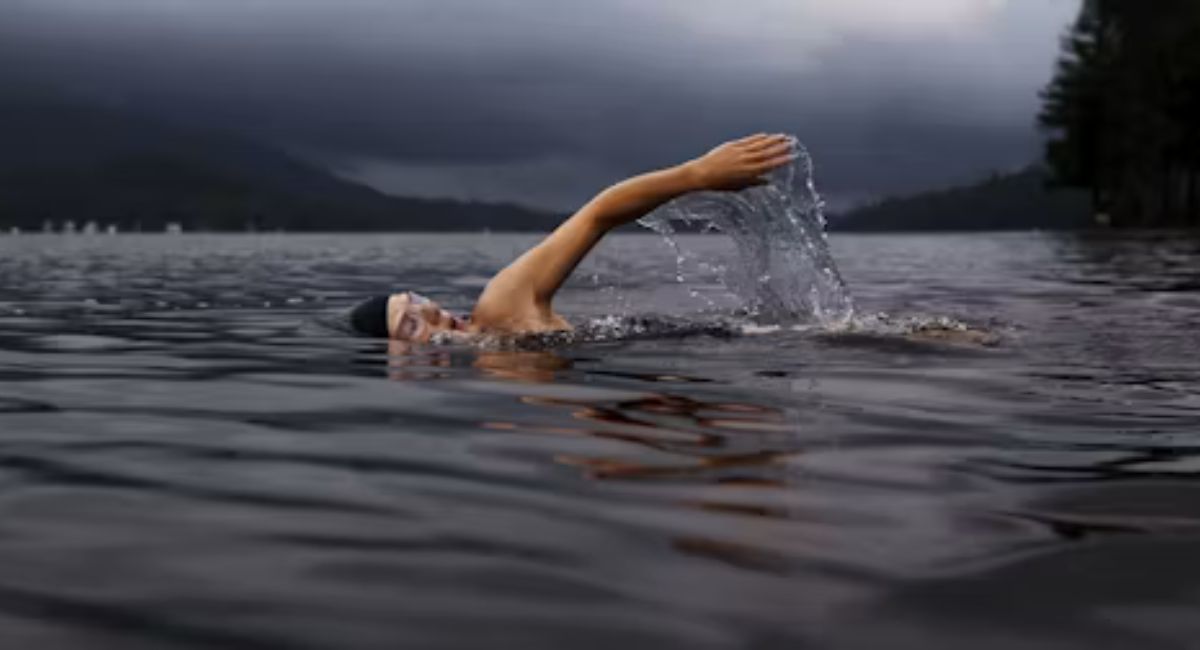
A new Canadian Museum of History swimming dock has opened on the Ottawa River, giving residents and visitors another free place to swim, relax and enjoy waterfront views in the National Capital Region.
The National Capital Commission officially opened the facility on July 10, 2026. Located behind the Canadian Museum of History in Gatineau, the project is the NCC’s first recreational swimming dock on the Quebec side of the Ottawa River.
The new attraction expands public access to the river and offers views of Parliament Hill from the Gatineau shoreline. However, the swimming area is unsupervised and located in deep water, making personal responsibility and careful planning essential for visitors.
Water conditions can also change after heavy rain or severe weather. Swimmers are advised to check current water-quality information before entering the river and follow all posted safety instructions.
Canadian Museum Of History Swimming Dock Opens In Gatineau
The Canadian Museum of History swimming dock is located in downtown Gatineau, close to the museum, Jacques-Cartier Park and several popular pathways and visitor attractions.
The dock is open from dawn until dusk and is designed as a free public space for swimming and relaxation. According to the NCC, the facility is universally accessible and includes seating throughout the site.
The project creates a direct connection between the waterfront and one of the region’s busiest cultural destinations. Visitors can combine a museum trip, riverside walk or cycling outing with time beside the water.
The NCC described the opening as part of its wider effort to reconnect the public with the Ottawa River and increase access to shorelines throughout the capital region.
The facility follows other investments in waterfront recreation, including the NCC River House, the Dow’s Lake recreational dock and the East Wharf dock near the Rideau Canal locks.
Also Read About: Four OCDSB Trustees Enter Competitive Race For Ottawa City Council Seats
What Visitors Will Find At The New Swimming Area
The Canadian Museum of History swimming dock includes a swimming area measuring approximately 36 metres by 15 metres.
A floating island provides swimmers with a place to pause in the water, while ladders allow visitors to enter and exit the river more easily. Muskoka chairs are available for people who prefer to sit, relax and enjoy the view rather than swim.
Life jackets in different sizes are available to borrow. The site also provides an access point for non-motorized watercraft and continues to serve water-taxi users.
Washrooms and a drinking-water fountain are available inside the Canadian Museum of History during the museum’s operating hours. The facility does not have dedicated change rooms, so visitors should plan before arriving.
Food and beverages are available nearby at the museum’s Café Panorama and at Maison Charron in Jacques-Cartier Park. The surrounding area is connected to recreational pathways, making the dock accessible to pedestrians and cyclists.
The site’s central location may make it particularly attractive to downtown residents who do not have easy access to traditional beaches or private waterfront facilities.
Unsupervised Deep Water Creates Safety Concerns
Although the dock improves waterfront access, it is important to understand that the Canadian Museum of History swimming dock is not a supervised public pool or guarded beach.
The NCC identifies the swimming area as unsupervised, meaning there are no lifeguards regularly watching swimmers. The minimum water depth is approximately four metres, which makes the facility unsuitable for people who cannot swim confidently.
Parents and guardians must closely supervise children at all times. Young swimmers and people with limited experience should use appropriately fitted life jackets and remain within their abilities.
Even strong swimmers can face challenges in open water. River swimming differs from swimming in a pool because of currents, wind, changing temperatures, waves and activity from nearby boats.
Visitors should avoid swimming alone and should not enter the water when tired, unwell or affected by alcohol or other substances. People should also avoid diving unless a designated area is clearly marked as safe.
The absence of dedicated change rooms and lifeguard supervision does not prevent the public from using the dock, but it places greater responsibility on individual swimmers.
Water Quality Will Be Monitored Throughout The Season
Water quality is another important consideration at the Canadian Museum of History swimming dock.
The NCC is partnering with Ottawa Riverkeeper to conduct regular bacteriological testing during the swimming season. Results are expected to be published through the Swim Guide platform, allowing visitors to check current conditions before travelling to the site.
The NCC says recreational-dock water is tested at least once per week, although the schedule may change depending on river conditions and available historical data.
At the time of the dock’s opening, the water received an “A” or excellent rating, based on testing updated on July 9, 2026. That rating can change as weather and river conditions evolve.
Heavy rain can wash bacteria and pollutants from streets and surrounding land into rivers. As a result, the NCC does not recommend swimming after major rainfall or during adverse weather conditions.
Visitors should never assume the river is safe simply because the dock remains physically open. Checking the latest test result is an important part of planning a swim.
People should also stay out of the water if it appears unusually cloudy, contains visible debris or has an unexpected odour.
Project Expands Access To The Ottawa River
The Canadian Museum of History swimming dock represents a broader change in how the National Capital Region uses its waterfront.
For many years, portions of the Ottawa River shoreline were difficult to access because of infrastructure, industrial activity or a lack of public amenities. The NCC has increasingly focused on creating spaces where residents can walk, paddle, swim, cycle and gather near the water.
The new Gatineau dock gives the Quebec side of the river a recreational facility similar to projects already operating in Ottawa.
The NCC River House offers an enclosed swimming area, change rooms and some supervised swimming periods. The Dow’s Lake dock provides swimming and non-motorized watercraft access, while the East Wharf location offers a lap lane and waterfront seating.
Unlike those Ottawa locations, the museum dock provides a new swimming option close to central Gatineau. Its proximity to Parliament Hill, the museum and Jacques-Cartier Park could make it an important summer gathering place.
The project also supports the NCC’s “Capital Cottage” concept, which aims to give urban residents cottage-style recreation without requiring long-distance travel.
How To Plan A Safe Visit
People visiting the Canadian Museum of History swimming dock should check the weather and latest water-quality result before leaving home.
Swimmers should bring suitable footwear, towels, sun protection and drinking water. Because there are no on-site change rooms, arriving in appropriate clothing may make the visit easier.
A life jacket is strongly recommended for children, inexperienced swimmers and anyone uncertain about open-water conditions. Visitors should remember that the area is deep immediately beyond the dock.
Swimming with another person is safer than entering the river alone. Friends and family members should remain aware of one another’s location and avoid moving beyond the designated swimming area.
Visitors should follow posted rules and leave the water immediately if conditions become unsafe. Thunder, lightning, strong winds or rapidly changing weather are clear reasons to end a swimming session.
The new facility offers a valuable way to enjoy the Ottawa River, but its success will depend on visitors using the space responsibly and respecting its open-water environment.