
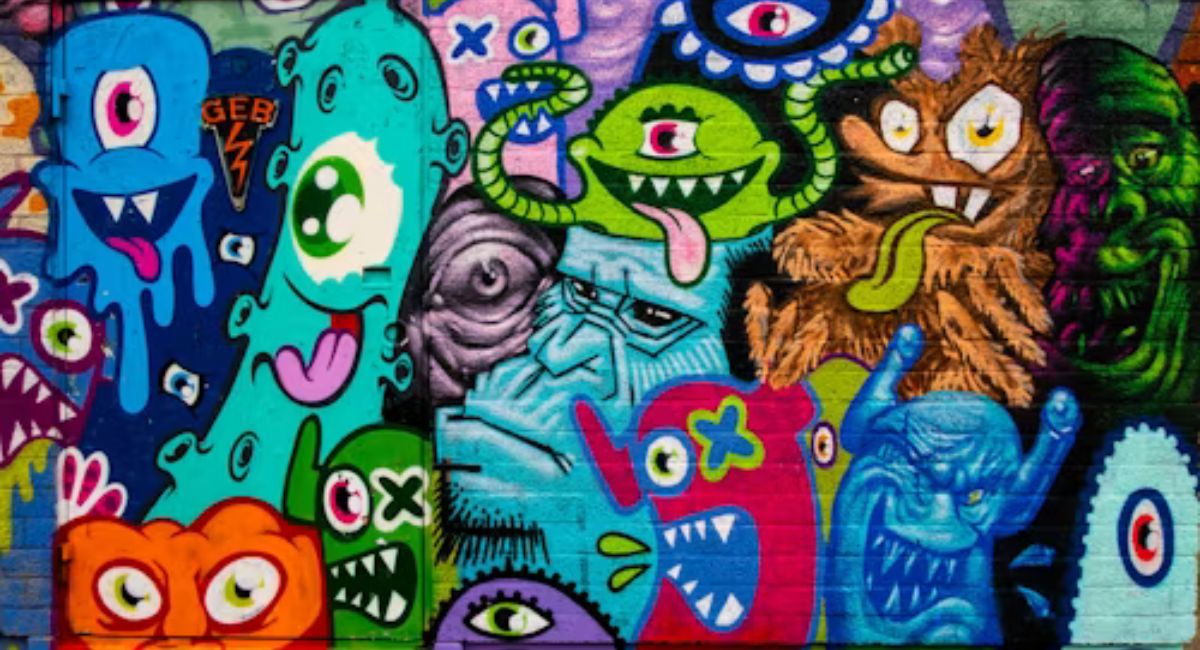
Efforts to document and protect Ottawa street art are gaining attention as murals, graffiti pieces and other public artworks disappear from walls across the capital. Redevelopment, property maintenance, weather damage and new layers of paint can erase works that once reflected the identity of a neighbourhood or a particular moment in the city’s cultural history.
Street art is naturally temporary. A mural may remain visible for years, while an unsigned graffiti piece could disappear within days. However, artists, photographers, historians and community groups increasingly argue that the temporary nature of the medium should not prevent meaningful works from being documented.
The challenge is deciding what should be preserved, who should make that decision and whether physical protection is always appropriate. For some advocates, photographing and digitally archiving a piece may be more practical than attempting to preserve the original wall.
Read this also: Transit Ads Encourage RTO Workers To Spend More Time Downtown
Why Ottawa Street Art Is Disappearing
Ottawa street art can vanish for several reasons. Buildings are demolished, renovated or sold. Property owners repaint exterior walls, while municipal cleanup programs remove graffiti that is considered unauthorized.
Outdoor artwork is also exposed to rain, snow, sunlight and rapidly changing temperatures. Ottawa’s freeze-and-thaw cycles can damage brickwork, concrete and painted surfaces, causing colours to fade or sections of a mural to break away.
Another artist may eventually paint over an existing piece. Within graffiti culture, this process can be viewed as part of the medium’s continuing evolution rather than the destruction of a permanent object.
The distinction between an approved mural and unauthorized graffiti also affects how long a work survives. Commissioned murals may have agreements providing some level of protection, while unsanctioned work can be removed quickly, regardless of its artistic quality or community value.
This creates a difficult question for preservation supporters: should a culturally important piece be protected even when it was originally created without permission?
Documenting Art Before It Vanishes
Photography has become one of the most effective ways to preserve Ottawa street art without changing its temporary character.
Artists, residents and street-art enthusiasts can photograph murals and graffiti before they disappear. Images may then be organized by artist, neighbourhood, approximate date and location, creating a historical record of Ottawa’s changing visual landscape.
Digital archives can also preserve information that is not visible in a photograph. Artist interviews, stories from local residents and explanations of the work’s cultural context can help future viewers understand why a particular piece mattered.
This type of documentation is especially important when the artist is unknown or uses a pseudonym. Once the work is removed, the story behind it may be difficult to recover.
Canadian hip-hop preservation projects have demonstrated how photographs, posters, recordings and graffiti images can help document cultural movements that were often overlooked by traditional institutions. The Northside Hip Hop Archive, for example, was established to preserve Canadian hip-hop history through digital materials and oral histories.
Similar methods could help ensure that important examples of Ottawa graffiti are not permanently lost.
Community Murals Add Cultural Value
Ottawa has supported programs that distinguish creative community art from unwanted tagging.
The Paint It Up! program has used mural projects to engage young people, support neighbourhood improvement and provide legal opportunities for artistic expression. Since its launch, the initiative has contributed to dozens of murals across Ottawa through partnerships involving artists, youth and community organizations.
These projects show how Ottawa street art can serve purposes beyond decoration. Murals can represent local history, celebrate cultural identity, honour community members or transform spaces that residents previously considered neglected.
Community involvement may also give a mural a stronger chance of surviving. Residents who participated in creating or selecting an artwork are more likely to view it as part of the neighbourhood rather than as an interchangeable wall painting.
However, even approved murals remain vulnerable. A building owner may eventually redevelop the property, or the surface may deteriorate beyond repair.
Clear agreements between artists, property owners and project organizers can help establish what should happen when a mural is threatened. Options may include restoration, professional documentation or consultation with the original artist before removal.
Can Graffiti Be Physically Preserved?
Physical conservation of graffiti presents complicated artistic and technical problems.
Unlike artwork created for a gallery, graffiti is often closely connected to its location. The wall, street, neighbourhood and surrounding buildings can all contribute to the work’s meaning. Removing a painted section and displaying it elsewhere may protect the material while separating it from its original context.
Research into street-art conservation suggests that removing graffiti from its location can weaken its authenticity because the urban setting is often an essential part of the artwork.
Protective coatings may slow fading and weather damage, but they can also change colours or make future restoration more difficult. Covering a wall with glass or another barrier may protect the image while altering the way people experience it.
There is also a philosophical concern. Some artists accept or even welcome the temporary nature of street art. Permanently preserving a work without consulting its creator could conflict with the artist’s original intention.
For that reason, preservation does not always mean keeping the physical artwork unchanged. Detailed photography, mapping, video and oral histories may offer a more appropriate way to protect its cultural significance.
Balancing Artistic Expression And Property Rights
Any effort to protect Ottawa street art must account for the rights of property owners and the city’s responsibility to manage public spaces.
Property owners may not want unauthorized work on their buildings, even when other people consider it artistically valuable. They may also face maintenance expenses, insurance concerns or redevelopment plans that make preservation impractical.
At the same time, automatically treating every unauthorized image as meaningless vandalism can erase works that reflect community experiences or contribute to a neighbourhood’s identity.
A balanced policy would not require every piece of graffiti to remain in place. Instead, it could establish a process for identifying works with potential cultural significance before they are removed.
Such a process could include consultation with artists, local arts organizations, Indigenous and cultural communities, heritage specialists, business owners and neighbourhood residents.
The criteria would need to remain transparent. Artistic quality alone may be subjective, while popularity on social media does not necessarily indicate lasting historical importance.
Building A Digital Ottawa Street Art Archive
A publicly accessible archive could be one of the most realistic tools for protecting Ottawa’s disappearing graffiti legacy.
The archive could include photographs, locations, dates, artist information and descriptions of works that no longer exist. Residents might also be invited to submit older photographs from personal collections.
An interactive map could show how different styles developed across neighbourhoods such as Centretown, Hintonburg, Vanier, Chinatown and the ByWard Market. It could also distinguish commissioned murals from spontaneous or unauthorized works without treating one category as automatically more important than the other.
Schools, researchers, tourism organizations and artists could use the collection to explore the city’s cultural development. Ottawa has already hosted institutional discussions of graffiti and hip-hop visual culture, including exhibitions examining how artists use visual expression as cultural survival and documentation.
However, an archive would need responsible rules. Publishing exact locations of new works could expose them to damage, while identifying artists without consent could create legal or privacy concerns.
Protecting A Changing Cultural Record
The effort to protect Ottawa street art is ultimately about preserving evidence of how residents experienced and shaped their city.
Not every mural can remain permanently, and not every graffiti piece will be considered historically important. Street art will continue to change as buildings, neighbourhoods and artistic movements evolve.
Still, documenting the work before it disappears can preserve stories that might otherwise be excluded from Ottawa’s official cultural record.
The most practical approach may combine photography, digital archiving, artist interviews and selective physical conservation. This would allow the city to recognize the value of street art without removing the spontaneity and temporary character that make the medium distinctive.