
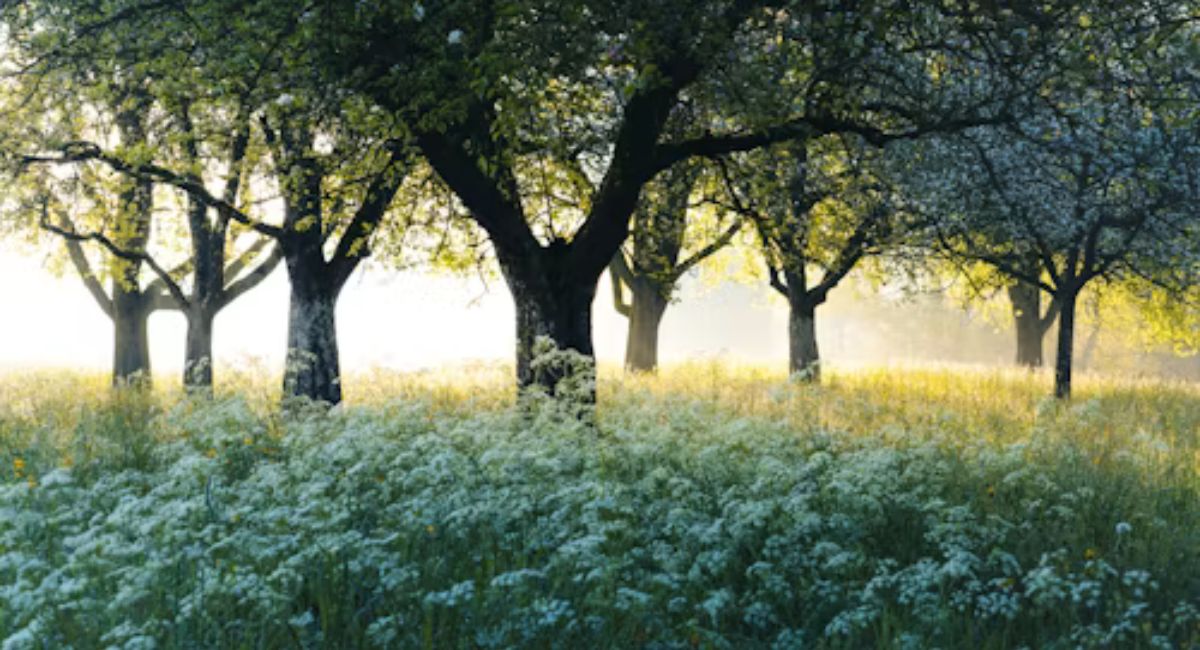
The Edmonton allergy season has become more intense this year, with dry weather and a late spring start being blamed for stronger symptoms across the city. Many residents are dealing with sneezing, itchy eyes, congestion, coughing, and sinus discomfort as pollen levels rise quickly after a delayed seasonal shift.
According to recent local reporting, an Edmonton arborist said drought conditions combined with a later start to spring have placed extra stress on trees and shrubs, causing them to produce more pollen than usual. That has created a difficult allergy period for people who are sensitive to tree pollen, grass pollen, and other airborne irritants.
For many Edmonton residents, the problem is not just that allergy season arrived. It is that it appears to have arrived with more force in a shorter window.
Why Edmonton Allergy Season Is So Intense This Year
The main reason behind the difficult Edmonton allergy season is the combination of delayed spring growth and dry conditions. When spring starts late, plants can release pollen more aggressively once temperatures rise. Instead of a slower, more gradual pollen season, residents may experience a sudden surge.
Dry weather can make the situation worse. Rain usually helps clear pollen from the air by washing it down. When conditions remain dry, pollen stays airborne longer and spreads more easily through wind. This means allergy sufferers may feel symptoms more strongly, even during normal outdoor activities.
In Edmonton, trees and shrubs already under stress from drought-like conditions may respond by producing more pollen. That extra pollen can quickly affect people who are vulnerable to seasonal allergies.
Common Symptoms Residents May Notice
Seasonal allergies can affect people in different ways. Some residents may only experience mild irritation, while others may struggle with daily discomfort.
Common symptoms during the Edmonton allergy season include:
- Sneezing
- Runny or stuffy nose
- Itchy, watery eyes
- Scratchy throat
- Sinus pressure
- Coughing
- Fatigue
- Headaches
For people with asthma or other breathing conditions, high pollen levels may also make respiratory symptoms worse. Anyone experiencing severe breathing problems should seek medical advice promptly.
Dry Weather Keeps Pollen in the Air Longer
Dry conditions are one of the biggest reasons allergy symptoms can feel stronger. Without regular rainfall, pollen does not settle as quickly. Instead, it can remain suspended in the air and travel across neighbourhoods, parks, roads, and open spaces.
Wind can also spread pollen from trees, grasses, and weeds over larger areas. This means people may still feel symptoms even if they are not standing directly near trees or plants.
For Edmonton residents, that makes everyday routines more difficult. Walking outside, opening windows, driving with windows down, gardening, or exercising outdoors can all increase exposure.
Late Spring Start Creates a Sudden Pollen Surge
A late spring can compress the natural growing cycle. When plants finally begin to respond to warmer temperatures, many may release pollen around the same time. This can create a stronger allergy wave than usual.
Instead of experiencing a gradual increase in symptoms, allergy sufferers may feel like they were hit suddenly. This is one reason people may describe the current Edmonton allergy season as more intense or unusual.
The sudden change can also catch residents off guard. People who normally prepare earlier may not begin allergy medication or prevention steps until symptoms have already become uncomfortable.
Who Is Most Affected by Edmonton Allergy Season?
Anyone can experience seasonal allergies, but some groups may feel the impact more strongly. People with hay fever, asthma, sinus issues, or previous pollen sensitivity may be more vulnerable during high pollen periods.
Children, older adults, outdoor workers, athletes, gardeners, and people who spend long periods outside may also face higher exposure.
Pets can also carry pollen indoors on their fur, which may increase symptoms inside homes. This can make allergy season frustrating even for people who try to stay indoors.
How Residents Can Reduce Allergy Symptoms
While it may not be possible to avoid pollen completely, Edmonton residents can take steps to reduce exposure and manage symptoms.
Keeping windows closed during high pollen days can help limit indoor pollen. Using air conditioning or air filtration may also improve indoor comfort. After spending time outside, changing clothes and showering can remove pollen from skin and hair.
Residents may also benefit from checking local pollen forecasts before planning outdoor activities. Outdoor exercise may be easier after rainfall or when pollen levels are lower.
Other helpful steps include wearing sunglasses outside, avoiding drying clothes outdoors, washing bedding regularly, and keeping pets clean after outdoor time.
People with ongoing symptoms may consider speaking with a pharmacist or health-care provider about antihistamines, nasal sprays, eye drops, or other allergy treatments.
Why Allergy Seasons Are Becoming a Bigger Concern
The intense Edmonton allergy season is part of a larger concern across Canada, where many communities are seeing stronger or longer allergy periods. Warmer conditions, shifting spring patterns, dry weather, and plant stress can all affect pollen production.
Experts have warned that pollen seasons in some areas are becoming longer and more intense. When plants produce more pollen and the weather helps it stay airborne, allergy sufferers can face more frequent and more severe symptoms.
For Edmonton, this season is a reminder that weather patterns and public health are closely connected. Dry conditions may not only affect lawns, gardens, and trees, but also the daily comfort of residents.
Positive and Negative Impact for Edmonton Residents
The negative side is clear: stronger allergies can reduce quality of life. People may sleep poorly, feel tired, struggle at work or school, and avoid outdoor activities.
However, the positive side is that more awareness can help residents prepare better. By understanding why the Edmonton allergy season is worsening, people can take earlier action, monitor pollen levels, and reduce exposure before symptoms become severe.
Local awareness also helps families, schools, workplaces, and outdoor event organizers consider the needs of allergy sufferers during difficult pollen periods.
What to Expect Next
If dry conditions continue, pollen may remain a problem for many residents. A steady rainfall could provide some temporary relief by clearing pollen from the air, but symptoms may return when dry and windy weather comes back.
As the season moves forward, grass pollen may also become a concern. People who are sensitive to multiple pollen types may need to stay alert beyond the early tree pollen period.
The best approach is to treat the Edmonton allergy season as an ongoing health concern rather than a short inconvenience. Preparing early and adjusting daily habits can make a major difference.
Also Read About: Canadiens Eliminated From Playoffs After Blowout Loss to Hurricanes