
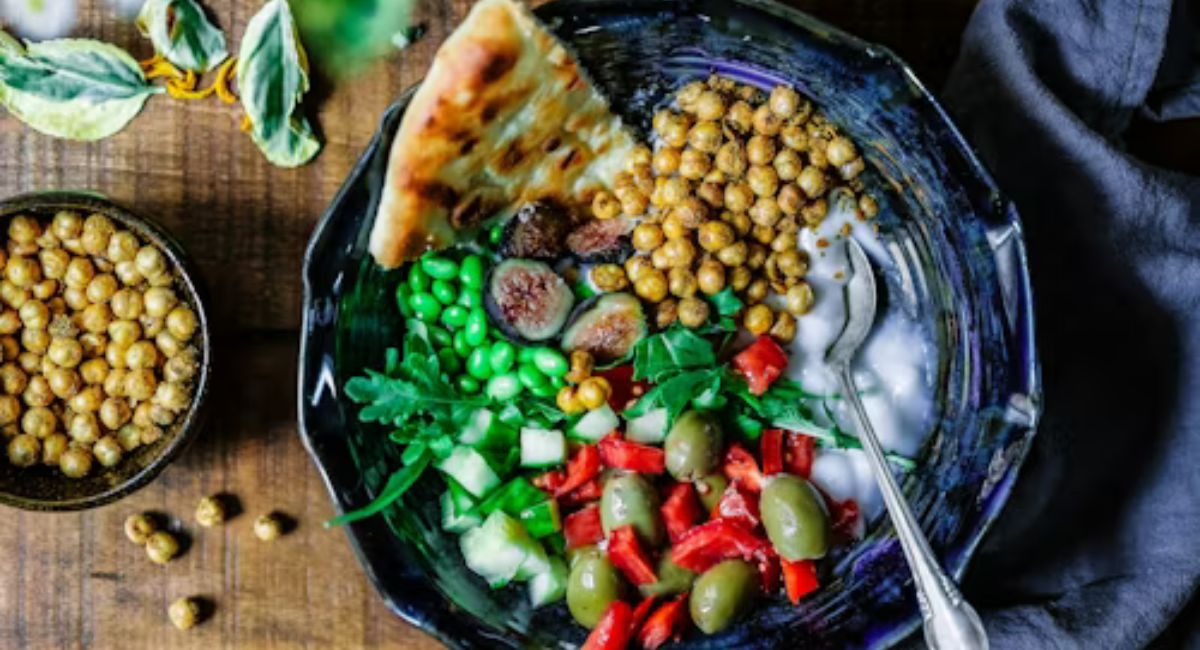
Starting a plant-based diet can feel confusing, especially when protein becomes the biggest question. Many beginners worry that removing meat, eggs, or dairy will make meals less filling. The truth is that a smart plant-based high-protein meal plan can include plenty of satisfying foods such as lentils, beans, tofu, tempeh, chickpeas, quinoa, nuts, seeds, soy milk, and whole grains.
This 7-day plan is designed for beginners who want simple meals, better nutrition, and steady energy without making plant-based eating feel complicated. It focuses on affordable ingredients, easy preparation, and balanced meals that support healthy eating.
Why Choose a Plant-Based High-Protein Meal Plan?
A plant-based high-protein meal plan can help people eat more fiber, vitamins, minerals, and heart-friendly foods while still getting enough protein. Plant proteins often come with extra benefits because beans, lentils, peas, soy foods, nuts, and seeds also provide fiber and other nutrients.
Protein is important for muscle repair, fullness, immune support, and overall health. Beginners should focus on variety rather than relying on only one protein source. Eating different plant foods during the day helps the body get a better mix of essential amino acids.
A good plant-based meal plan should include protein, vegetables, healthy fats, and fiber-rich carbohydrates at most meals.
Best Plant-Based Protein Foods for Beginners
Before starting the weekly plan, keep a few easy protein staples ready. These foods are beginner-friendly and work in many recipes:
- Lentils
- Chickpeas
- Black beans
- Kidney beans
- Tofu
- Tempeh
- Edamame
- Soy milk
- Peanut butter
- Almond butter
- Chia seeds
- Hemp seeds
- Pumpkin seeds
- Quinoa
- Whole-grain bread
- Hummus
- Nuts
Soy foods such as tofu, tempeh, edamame, and soy milk are especially useful because they are versatile and protein-rich. Beans and lentils are usually budget-friendly and great for meal prep.
Day 1: Simple Start
Breakfast: Peanut Butter Overnight Oats
Mix oats, soy milk, chia seeds, peanut butter, and banana in a jar. Refrigerate overnight and eat cold in the morning. This breakfast is filling and easy for beginners.
Lunch: Chickpea Salad Sandwich
Mash chickpeas with hummus, lemon juice, celery, and black pepper. Serve on whole-grain bread with lettuce and tomato.
Dinner: Lentil and Rice Bowl
Use cooked lentils with brown rice, spinach, salsa, avocado, and pumpkin seeds. This meal is simple, high in fiber, and satisfying.
Snack
Soy yogurt with berries and hemp seeds.
Day 2: Tofu Made Easy
Breakfast: Tofu Scramble Wrap
Crumble tofu with turmeric, black pepper, spinach, and salsa. Wrap it in a whole-grain tortilla. If you do not want to cook in the morning, prepare the tofu mixture the night before.
Lunch: Black Bean Quinoa Bowl
Combine black beans, quinoa, corn, lettuce, tomato, avocado, and lime dressing. This is a balanced lunch with plant protein and complex carbohydrates.
Dinner: Hummus Veggie Pita With Edamame
Fill whole-grain pita with hummus, cucumber, tomato, shredded carrots, spinach, and baked tofu slices. Serve with a side of edamame.
Snack
Apple slices with peanut butter.
Day 3: Budget-Friendly Protein
Breakfast: Chia Protein Pudding
Mix chia seeds with soy milk and a little maple syrup. Top with berries, nuts, and hemp seeds.
Lunch: Lentil Soup With Whole-Grain Toast
Use prepared lentil soup or homemade lentil soup with carrots, tomatoes, onions, and spices. Add whole-grain toast for extra fullness.
Dinner: Bean Tacos
Fill corn or whole-grain tortillas with black beans, lettuce, tomato, salsa, avocado, and a spoon of soy yogurt. Add pumpkin seeds for crunch.
Snack
Roasted chickpeas or a handful of nuts.
Day 4: High-Protein Salad Day
Breakfast: Smoothie With Soy Milk and Nut Butter
Blend soy milk, banana, peanut butter, oats, spinach, and chia seeds. This is quick and useful for busy mornings.
Lunch: Tempeh Salad Bowl
Use tempeh with mixed greens, quinoa, cucumber, carrots, avocado, and tahini dressing. Tempeh has a firm texture and works well in high-protein meals.
Dinner: Chickpea Pasta With Tomato Sauce
Chickpea pasta is a helpful shortcut for adding protein. Serve it with tomato sauce, spinach, mushrooms, and nutritional yeast.
Snack
Hummus with carrots and whole-grain crackers.
Day 5: Meal Prep Friendly
Breakfast: Oatmeal With Hemp Seeds
Cook oats with soy milk and top with hemp seeds, walnuts, berries, and cinnamon. This breakfast is simple and filling.
Lunch: Tofu Buddha Bowl
Add tofu, brown rice, broccoli, carrots, cucumber, edamame, and peanut sauce to a bowl. Use pre-cooked rice to save time.
Dinner: White Bean Avocado Toast
Mash white beans with avocado, lemon juice, and black pepper. Serve on whole-grain toast with tomato and spinach.
Snack
Soy yogurt with granola and chia seeds.
Day 6: Easy Weekend Meals
Breakfast: Whole-Grain Toast With Almond Butter
Top whole-grain toast with almond butter, banana slices, and chia seeds. Add a glass of soy milk for more protein.
Lunch: Vegan Burrito Bowl
Use brown rice, pinto beans, corn, salsa, lettuce, avocado, and tofu or tempeh. This meal is easy to adjust based on what you have.
Dinner: Lentil Pasta Salad
Use cooked lentil pasta with cherry tomatoes, cucumber, olives, spinach, chickpeas, and olive oil lemon dressing. Serve chilled or at room temperature.
Snack
Trail mix with nuts, seeds, and dried fruit.
Day 7: Simple Reset
Breakfast: High-Protein Smoothie Bowl
Blend soy milk, frozen berries, banana, peanut butter, and oats. Top with hemp seeds, pumpkin seeds, and sliced fruit.
Lunch: Hummus Chickpea Wrap
Fill a wrap with hummus, chickpeas, lettuce, tomato, cucumber, shredded carrots, and avocado. This is fast, colorful, and beginner-friendly.
Dinner: Tofu and Quinoa Power Bowl
Combine tofu, quinoa, edamame, spinach, roasted or raw vegetables, and tahini dressing. This dinner gives a strong finish to the week.
Snack
Dates with peanut butter or roasted edamame.
Beginner Shopping List
Protein Staples
- Tofu
- Tempeh
- Lentils
- Chickpeas
- Black beans
- Pinto beans
- White beans
- Edamame
- Soy milk
- Soy yogurt
- Hummus
- Peanut butter
- Almond butter
Grains and Carbohydrates
- Oats
- Brown rice
- Quinoa
- Whole-grain bread
- Whole-grain wraps
- Whole-grain pita
- Chickpea pasta
- Lentil pasta
- Corn tortillas
Vegetables
- Spinach
- Lettuce
- Cucumber
- Tomato
- Carrots
- Broccoli
- Mushrooms
- Corn
- Avocado
- Celery
- Mixed greens
Fruits
- Bananas
- Berries
- Apples
- Dates
- Lemons or limes
Nuts, Seeds and Extras
- Chia seeds
- Hemp seeds
- Pumpkin seeds
- Walnuts
- Trail mix
- Tahini
- Salsa
- Nutritional yeast
- Olive oil
- Spices
Meal Prep Tips for Beginners
Start with two or three cooked basics. Prepare a batch of lentils, quinoa, and rice at the beginning of the week. Wash and chop vegetables so bowls, wraps, and salads are easier to assemble.
Keep canned beans and chickpeas in the pantry for fast meals. Rinse them before use to reduce sodium. Store sauces such as tahini dressing, peanut sauce, or salsa in the fridge to make simple meals taste better.
Beginners should avoid making the plan too strict. Repeat meals you enjoy, swap ingredients when needed, and use leftovers creatively.
How to Get Enough Protein on a Plant-Based Diet
Getting enough protein on a plant-based diet is easier when every meal includes a clear protein source. Add tofu, tempeh, beans, lentils, chickpeas, edamame, soy milk, soy yogurt, nuts, seeds, or quinoa throughout the day.
Variety matters. Some plant proteins may be lower in certain essential amino acids, but eating different plant foods across the day helps create a balanced intake.
People with higher protein needs, athletes, older adults, pregnant people, or those with medical conditions may need personalized guidance from a dietitian or health-care provider.
Common Beginner Mistakes to Avoid
One common mistake is eating only salads without enough protein or calories. This can leave people hungry and make the diet hard to maintain.
Another mistake is relying too much on processed vegan foods. Some packaged plant-based foods can be convenient, but they may be high in sodium, saturated fat, or additives.
Beginners should also remember important nutrients such as vitamin B12, iron, calcium, vitamin D, iodine, zinc, and omega-3 fats. A balanced plant-based diet can be healthy, but some nutrients may need careful planning or supplementation.
Also Read About: 6 Easy No-Cook High-Protein Dinners for a Weekly Meal Plan