
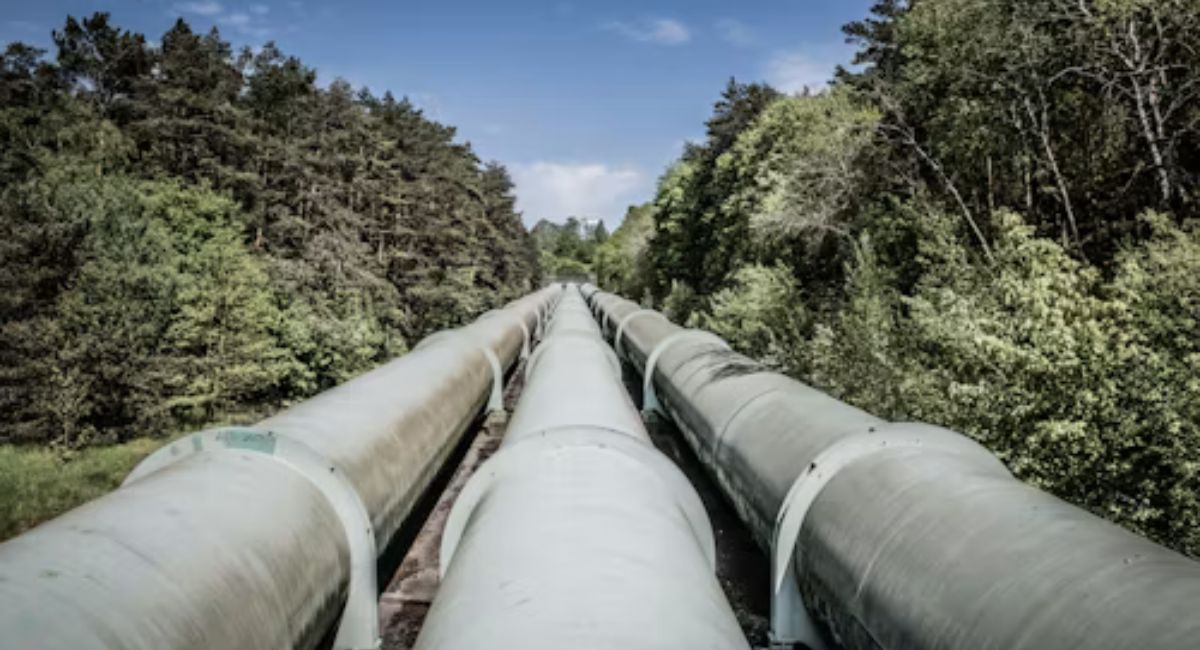
The B.C. Coast Pipeline And Delta Port Expansion is becoming one of the biggest infrastructure and environmental debates in British Columbia. The proposal connects two major issues: Alberta’s push for a new oil pipeline to the Pacific coast and Ottawa’s support for major upgrades at Roberts Bank Terminal in Delta. Supporters say the projects could boost trade, jobs, exports, and Canada’s access to Asian markets. Critics warn they could increase environmental pressure on coastal waters, the Fraser River estuary, southern resident killer whales, and local communities.
B.C. Coast Pipeline And Delta Port Expansion Draw Local Attention
The B.C. Coast Pipeline And Delta Port Expansion gained attention after Ottawa and British Columbia announced a cooperative prosperity agreement, followed by Alberta’s announcement of a proposed new crude oil pipeline to the B.C. coast. Reuters reported that the proposed pipeline would carry about 1 million barrels per day from Alberta to the Pacific coast and could begin construction as early as September 2027, although it still faces regulatory, environmental, financing, and Indigenous consultation hurdles.
Delta is now central to the discussion because Roberts Bank is being positioned as a key export and trade hub. CityNews Vancouver reported that a shipping port in Delta is also being discussed as the proposed end point for Alberta’s new pipeline route, while the federal and provincial governments continue to uphold the northern tanker ban.
What The Delta Port Expansion Includes
Roberts Bank Terminal 2 is a proposed three-berth marine container terminal at Roberts Bank in Delta, about 35 kilometres south of Vancouver. According to the Impact Assessment Agency of Canada, the project would add 2.4 million twenty-foot equivalent units of container capacity per year beside the existing Deltaport and Westshore terminals.
Prime Minister Mark Carney said the federal government would support $10 billion in major infrastructure upgrades to expand Roberts Bank capacity, arguing the move could unlock more than $100 billion in new trade capacity and add about $3 billion to Canada’s economy each year.
Economic Benefits For Delta And B.C.
Supporters say the B.C. Coast Pipeline And Delta Port Expansion could bring major economic benefits to the Lower Mainland and beyond. Expanded port capacity could help Canada move more goods through the Pacific Gateway, reduce bottlenecks, support export growth, and strengthen trade links with Asia.
For Delta, that could mean more construction work, port-related jobs, rail and road upgrades, and long-term logistics activity. The federal agreement also includes up to $3 billion for the George Massey Tunnel Replacement Project, which could improve Highway 99 movement for commuters and goods travelling through the region.
Local Traffic And Construction Concerns
While new infrastructure can create jobs, it can also bring years of disruption. Delta residents may face construction traffic, road closures, noise, increased truck movement, rail activity, and pressure on nearby neighbourhoods. Large port projects often affect daily commutes, local businesses, waterfront access, and community quality of life.
The George Massey Tunnel replacement may help long-term traffic flow, but construction periods can still create short-term delays. For local residents, the real question is whether the promised economic gains will outweigh years of disruption and heavier industrial activity near the Fraser River estuary.
Environmental Risks Remain A Major Concern
The strongest criticism of the B.C. Coast Pipeline And Delta Port Expansion is environmental. Roberts Bank is part of the Fraser River estuary and the Pacific flyway migratory bird corridor. A federal environmental petition raised concerns about migratory birds, stopover habitat, and the biofilm layer of the mudflats, which is an important food source for western sandpipers.
Environmental advocates have also warned that more port traffic, construction, and marine noise could put additional pressure on southern resident killer whales. CityNews reported concerns from the Wilderness Committee that added traffic in orca habitat could increase underwater noise and make it harder for whales to communicate, hunt, and rest.
Why The Tanker Ban Matters
The northern B.C. tanker ban remains a key part of the political compromise. Reuters reported that the Canada-B.C. deal maintains the federal ban on oil tankers along the northwest coast while appearing to leave room for a different pipeline route through the province.
For coastal First Nations, the tanker ban is especially important. CityNews reported that Heiltsuk Chief Marilyn Sleet welcomed the continued protection of the Great Bear Sea and warned that an oil spill in traditional territory would threaten food, culture, and a sustainable ocean-based economy.
First Nations Partnership Will Be Critical
Federal and provincial leaders say major projects will be done in partnership with First Nations. Carney said the agreement includes environmental protection measures and meaningful partnership with First Nations at every stage, including possible Indigenous ownership opportunities.
That will be critical because pipeline routes, port expansion, shipping lanes, fishing areas, and marine ecosystems overlap with Indigenous rights, title, food harvesting, and cultural responsibilities. Any project that moves forward without strong Indigenous consent and long-term benefit-sharing could face serious opposition.
Pipeline Debate Still Faces Big Hurdles
The pipeline proposal is not a finished project. Reuters reported that no cost estimate has been released, funding details are still being negotiated, and no private company has expressed interest in taking a majority stake in Alberta’s proposal. The project has been submitted to Canada’s major projects office for possible fast-tracked regulatory review.
The pipeline is also tied to broader political conditions, including Indigenous partnership and a large-scale carbon capture and storage project. Carney has said any new crude pipeline must be developed with Indigenous communities and depends on industry progress on carbon capture.
What It Means For Local Communities
For Delta, Metro Vancouver, coastal First Nations, and communities along any future pipeline route, the impacts could be significant. Benefits may include jobs, port growth, trade expansion, infrastructure upgrades, and stronger export access. Concerns include oil spill risk, construction disruption, increased marine traffic, pressure on endangered species, and long-term changes to coastal ecosystems.
The B.C. Coast Pipeline And Delta Port Expansion is therefore not just a national trade story. It is a local community story about who benefits, who carries the risk, and how governments balance economic growth with environmental protection.
Also Read About: Pastor Released From China Prison Weeks After Trump Requested Freedom