
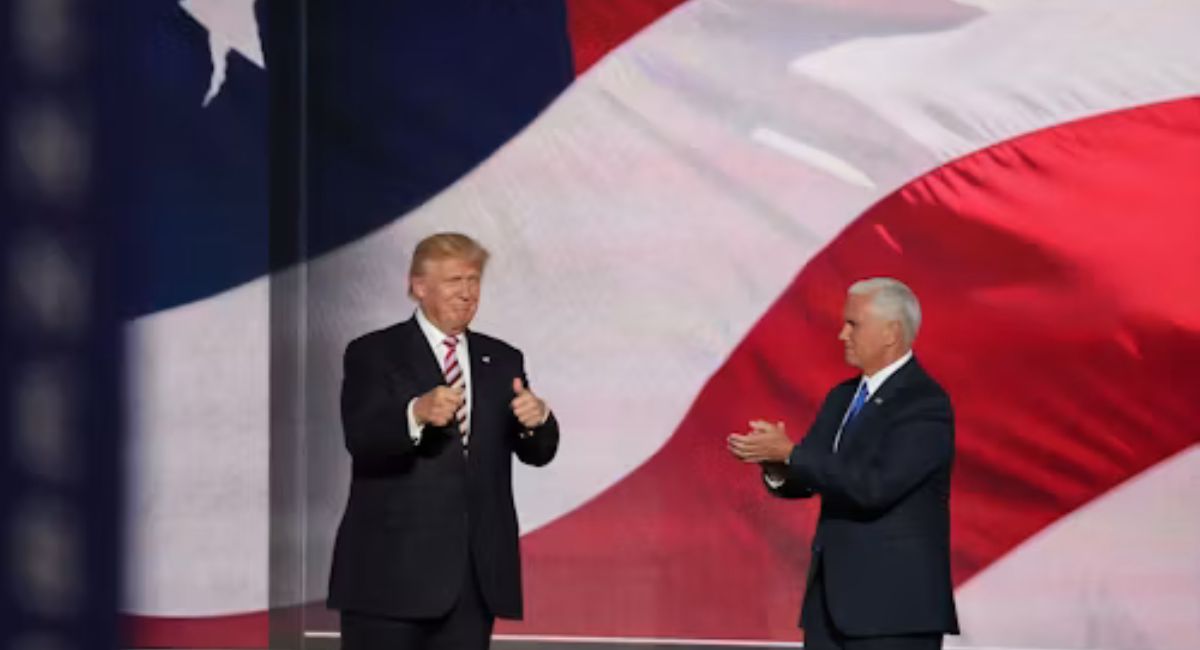
Trump Europe visit has begun with a mix of confidence, frustration and diplomatic tension as President Donald Trump heads into high-stakes meetings with NATO allies. The trip comes at a sensitive moment for U.S.-Europe relations, with disagreements over Iran, Ukraine, defense spending and Trump’s personal disputes with European leaders shaping the political mood.
Trump is attending the NATO leaders’ summit in Ankara, where European officials are watching closely for signs of whether the United States will remain fully committed to the alliance. Some diplomats see his decision to attend as a positive signal, but major tensions remain after several European governments declined to support the U.S. in its recent conflict with Iran.
Trump Europe Visit Begins With Pride And Frustration
The Trump Europe visit is being described as both important and uneasy. On one side, Trump arrives with confidence, presenting himself as a leader who expects allies to respect U.S. power and follow Washington’s lead on major security issues.
On the other side, reports suggest he is deeply frustrated with some European governments. Axios reported that Trump arrived at the NATO summit with a “grudge” against allies that refused to support the United States during the Iran conflict. That resentment has added pressure to a summit already shaped by concerns about the future of NATO and America’s military role in Europe.
Iran Dispute Casts Shadow Over NATO Summit
One of the biggest issues behind the tension is Iran. Several European allies reportedly denied or limited support for U.S. operations during the recent conflict, angering Trump and some members of his administration.
That disagreement is now influencing broader defense talks. U.S. Defense Secretary Pete Hegseth has announced a six-month review of America’s military presence in Europe, a move linked to frustration over allies’ refusal to fully cooperate with Iran-related operations.
For European leaders, that review raises serious questions. If Washington reduces troop levels or changes its military posture, countries near Russia may feel more exposed. The issue is especially sensitive for NATO members in Eastern Europe, where concerns about U.S. reliability have already grown.
Ukraine Remains A Major Test
Ukraine is also expected to remain near the top of the agenda. According to the Los Angeles Times, Trump said Ukraine would be one of the key issues discussed during the summit.
For Europe, Ukraine is not only a regional war issue. It is a test of NATO unity, Western deterrence and the future of security on the continent. Any sign that Trump is wavering on support for Ukraine could increase anxiety among European governments.
At the same time, Trump’s recent frustration with Russian President Vladimir Putin could affect the tone of discussions. Reports suggest Trump may be reconsidering earlier understandings linked to Russia, though allies are likely to watch closely before assuming any major policy shift.
NATO Leaders Try To Manage Trump Tensions
NATO officials have been working to reduce tension before and during the summit. NATO Secretary-General Mark Rutte met Trump in Washington on June 25, 2026, and said “Europe is stepping up” as he prepared for the Ankara summit.
Reuters reported that Rutte used a mix of flattery and careful pushback while trying to calm U.S. concerns over Europe’s handling of the Iran conflict. He argued that cases of European reluctance to support the U.S. were limited rather than widespread.
That approach reflects how many European leaders are dealing with Trump: praise him publicly, avoid unnecessary provocation, and try to keep the alliance focused on shared security goals.
Personal Feuds Add Diplomatic Pressure
The Trump Europe visit is also being shaped by personal disputes. Italy has tried to avoid escalation after Trump revived a feud with Prime Minister Giorgia Meloni. Reuters reported that Italian officials said they would no longer respond to Trump’s provocations after he posted a mocking message about Meloni on Truth Social.
The dispute is politically awkward because Meloni and Trump were once seen as ideologically aligned. However, recent disagreements over Iran, Europe and public remarks have created new friction.
For NATO, these personal conflicts matter because they can distract from the summit’s main agenda. Leaders are trying to discuss defense spending, Ukraine, Iran, Russia and alliance strategy while also managing Trump’s unpredictable style.
Europe Seeks Stability From Washington
European leaders want clarity from the United States. Many governments remain dependent on American military power, intelligence support and NATO leadership. But Trump’s criticism of allies has made some countries question whether Washington can still be counted on in a crisis.
The Guardian recently reported that NATO leaders on Europe’s eastern flank fear they can no longer fully rely on U.S. help if Russia attacks. That concern has intensified before the summit, especially among countries that see Russia as an immediate threat.
This is why Trump’s tone matters so much. Even small comments can affect markets, military planning and diplomatic confidence across Europe.
Positive Side Of The Trip
Despite the tension, the trip could still produce positive results. Trump’s decision to attend the NATO summit gives European leaders a chance to speak with him directly instead of managing disputes from a distance.
The visit may also encourage allies to increase defense spending, improve coordination and show Trump that Europe is contributing more to collective security. If leaders can keep discussions focused on practical outcomes, the summit may reduce some uncertainty.
For Trump, the trip gives him a chance to project strength abroad and show supporters that he is pressuring allies to do more.
Negative Side Of The Trip
The negative side is that Trump’s frustration could deepen divisions. If he publicly attacks allies, threatens troop cuts or links NATO support to loyalty on Iran, European confidence may weaken further.
A more divided NATO would benefit U.S. rivals and create uncertainty for Ukraine. It could also make it harder for Western governments to respond together to future crises involving Russia, Iran or other security threats.
The summit may therefore become a test of whether Trump can balance personal grievances with long-term strategic interests.
Why This Story Matters Globally
The Trump Europe visit matters because NATO remains one of the most important security alliances in the world. What happens at this summit could affect Ukraine, Russia deterrence, Middle East policy, European defense planning and America’s global influence.
If Trump and European leaders find common ground, the alliance may emerge stronger despite the tension. If the summit becomes dominated by anger and personal disputes, it could deepen doubts about NATO’s future direction.
Also Read About: Damascus Explosions During Macron Visit: What We Know So Far