
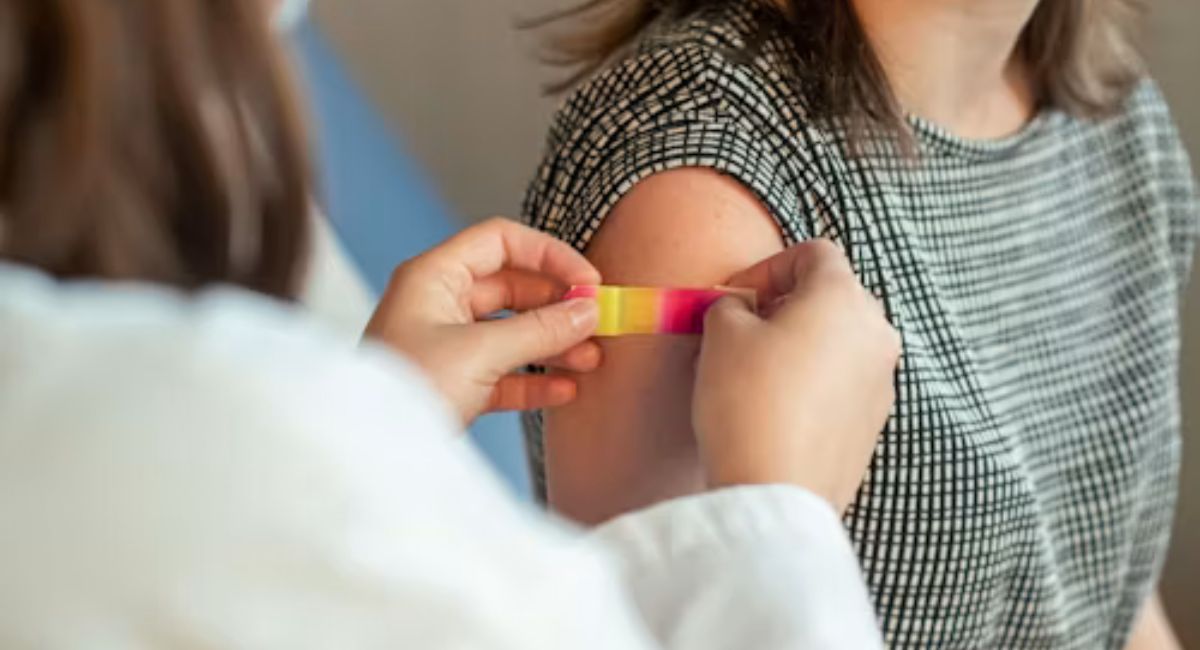
U.S. measles cases 2026 have reached a troubling milestone, surpassing the total recorded during all of 2025 before the current year has ended. As of July 23, the Centers for Disease Control and Prevention reported 2,318 confirmed cases nationwide, compared with 2,289 cases for the full year of 2025. The latest count remains preliminary and may change as health departments complete investigations and submit confirmed cases.
The rise in U.S. measles cases 2026 does not mean every community faces the same level of risk. However, it shows that the virus continues to spread rapidly when it reaches households, schools and closely connected communities with gaps in immunity.
U.S. Measles Cases 2026 Surpass Last Year’s Total
The CDC’s July 24 update showed that confirmed U.S. measles cases 2026 had exceeded the previous year’s total by 29 cases. Cases had been reported by 45 jurisdictions, while 16 infections involved international visitors to the United States.
Most reported infections have been connected to outbreaks rather than isolated cases. The CDC said 93% of confirmed cases in 2026 were outbreak-associated. It recorded 35 new outbreaks during the year, defining an outbreak as three or more related cases. Some continuing transmission chains began in 2025 and extended into 2026.
The comparison with 2025 is significant because that year had already produced an unusually high national total. In 2025, 90% of confirmed infections were outbreak-associated, with 48 outbreaks reported. By comparison, the United States recorded 285 cases and 16 outbreaks in 2024.
Read this also: Young Man Dies in Tragic Highway 17 Crash Near Ottawa
Why Measles Can Spread So Rapidly
Measles is one of the world’s most contagious infectious diseases. The virus spreads through the air when an infected person breathes, coughs or sneezes. It can remain infectious in the air for as long as two hours after that person has left an enclosed space.
Among susceptible people who have close contact with a person with measles, as many as nine out of 10 may become infected. This extreme contagiousness helps explain why measles outbreaks can grow quickly before public-health teams identify every exposure.
A single travel-related infection can lead to a wider outbreak when it reaches a community with low vaccination coverage. International travel may introduce the virus, but continued local spread is more likely when enough people lack immunity.
CDC data show that MMR coverage among U.S. kindergarteners declined from 95.2% during the 2019–2020 school year to 92.5% in 2024–2025. The agency estimated that approximately 286,000 kindergarteners were at risk during the 2024–2025 school year.
Coverage can also vary considerably between communities. Local pockets of unvaccinated or under-vaccinated people may remain vulnerable even when a state’s overall vaccination rate appears relatively high. This pattern is an important factor behind the increase in U.S. measles cases 2026.
What the Record Means for Public Health
The new record for U.S. measles cases 2026 places additional demands on local and state health departments. Each suspected infection may require laboratory confirmation, isolation guidance, contact tracing, exposure notifications and reviews of vaccination records.
State, local, tribal and territorial health departments lead measles investigations and notify the CDC about confirmed cases. Differences can sometimes appear between state and national totals because agencies update their data on different schedules.
The United States declared measles eliminated in 2000. Elimination does not mean that no cases can occur. It means continuous domestic transmission has not persisted for at least 12 months. Imported cases and localized outbreaks can still happen, particularly when the virus reaches under-vaccinated communities.
A high annual case total does not automatically mean the country has lost its elimination status. Public-health experts must determine whether a continuous transmission chain has lasted long enough to meet the formal definition.
Nevertheless, the continued growth in U.S. measles cases 2026 demonstrates how difficult outbreaks can be to control once the virus reaches groups with limited immunity.
Symptoms and Possible Complications
Measles symptoms typically begin seven to 14 days after infection. Early signs commonly include a high fever, cough, runny nose and red, watery eyes. Tiny white spots may later appear inside the mouth.
A measles rash generally develops three to five days after the first symptoms. It usually begins near the hairline before spreading down the neck, trunk, arms, legs and feet.
Although some people recover without lasting health problems, measles can cause serious complications. The CDC says about one in five unvaccinated people in the United States who develop measles are hospitalized.
Pneumonia may affect as many as one in 20 children with measles, while approximately one in 1,000 children may develop encephalitis, or swelling of the brain. Rarely, measles can result in permanent neurological damage or death.
The risk of complications is higher for children younger than five, adults older than 20, pregnant women and people with weakened immune systems. Measles during pregnancy may also increase the risk of pregnancy loss, premature delivery or low birth weight.
Anyone who believes they have been exposed should contact a healthcare provider before arriving at a clinic or hospital. Calling ahead allows the facility to prepare appropriate infection-control measures and reduce the possibility of exposing other patients.
Vaccination Remains the Main Prevention Tool
Vaccination remains the primary way to prevent further increases in U.S. measles cases 2026. The CDC recommends that children receive two doses of the measles, mumps and rubella vaccine.
The first MMR dose is routinely given between 12 and 15 months of age. The second is generally administered between four and six years of age, although it may be given earlier when medically appropriate and properly spaced from the first dose.
One MMR dose is approximately 93% effective at preventing measles, while two doses are approximately 97% effective. Most people who receive the recommended vaccination develop long-term protection.
Teenagers and adults should also be up to date based on their age, risk factors and evidence of immunity. Vaccination is particularly important for international travelers, healthcare workers, college students and people living in or visiting an outbreak area.
People who are uncertain about their vaccination history should discuss their records and personal circumstances with a qualified healthcare professional. Recommendations may differ for infants traveling internationally, pregnant people and individuals with certain immune-system conditions.