
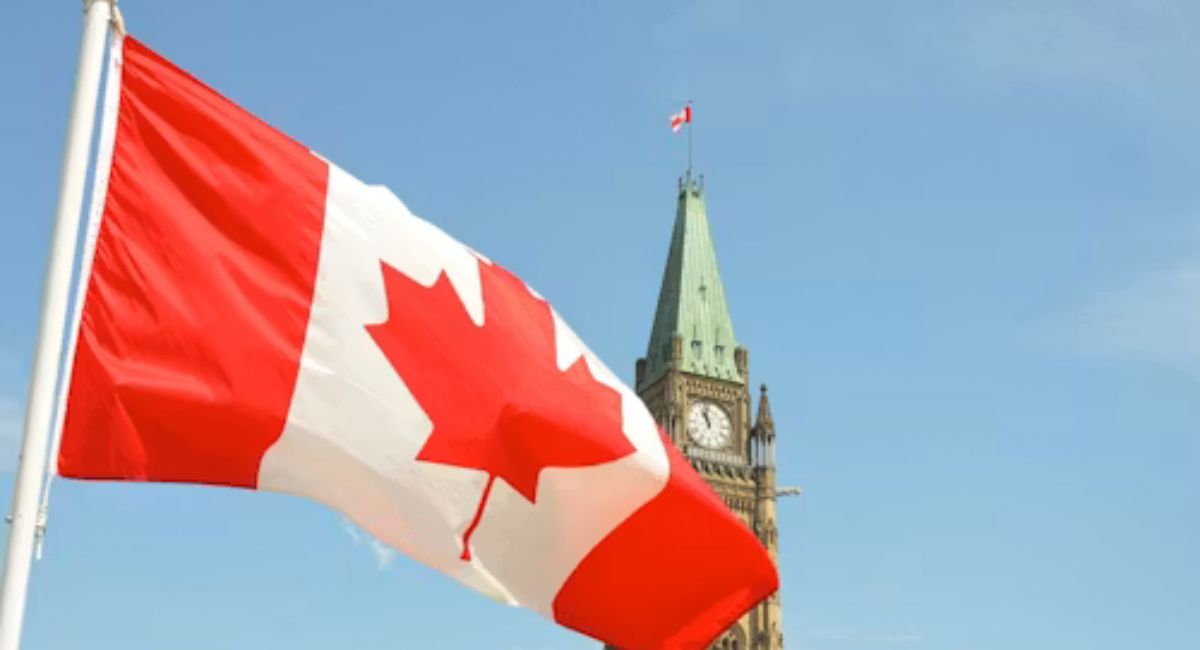
The Alberta Separatists Canada Day debate became one of the most talked-about political themes of this year’s national holiday, as some supporters of Alberta independence leaned into provincial blue instead of the traditional red-and-white imagery of Canada Day. The moment highlighted how Alberta’s identity debate is becoming more visible as the province heads toward a major referendum this fall.
Alberta Separatists Canada Day Message Draws Attention
Canada Day is usually marked by maple leaf flags, red-and-white clothing, fireworks, and speeches about national unity. But in Alberta, this year’s celebrations carried a sharper political edge. Separatist voices used the holiday to promote a different message: one focused less on Canadian unity and more on Alberta’s future, grievances, and provincial identity.
The “red for blue” symbolism reflected that shift. Blue is often linked with Alberta’s provincial identity, while red and white remain closely tied to Canada Day and the national flag. One Alberta political researcher noted that red-and-white patriotism and Alberta blue can exist side by side, but the growing separatist debate has made those symbols more politically charged.
Why Alberta Blue Became A Symbol
For many Albertans, provincial pride does not automatically mean support for separation. Alberta has a strong regional identity built around energy, agriculture, independence, and western political frustration. However, separatist groups have increasingly used that identity to argue that the province would be better off with more control, or even outside Confederation.
Political observers say many Albertans still feel connected to Canada, even when they express frustration with Ottawa. That mix of pride, anger, loyalty, and uncertainty is what made this Canada Day different. Alberta blue became a visual reminder that some residents are asking whether their province’s future should look different from the rest of the country.
Referendum Debate Adds Pressure
The Canada Day symbolism came as Alberta prepares for an October 19, 2026 referendum. Elections Alberta confirms that a referendum has been set for that date, while provincial information on the ballot says voters will be asked whether Alberta should remain a province of Canada or whether the government should begin the legal process required to hold a binding referendum on separation.
That means the upcoming vote will not immediately separate Alberta from Canada. Instead, it would decide whether the province should begin the process toward a later binding vote. Still, the question has raised national concerns because it places Alberta’s relationship with Canada directly in front of voters.
Separatist Supporters Frame The Issue Around Ottawa
Supporters of Alberta independence often argue that Ottawa has held back the province’s economic potential, especially through energy and environmental policies. Keith Wilson, a lawyer campaigning for Alberta to go its own way, planned to spend Canada Day at an Alberta-themed event in Mirror, east of Red Deer. He described the gathering as a Canada Day-style celebration with an Alberta focus.
That message appeals to people who believe Alberta contributes heavily to Canada but does not receive enough respect or control in return. For them, swapping red for blue is not just about clothing or flags. It is a statement that Alberta’s priorities should come first.
Federalists Push Back With Unity Message
The separatist message also faced strong opposition. Former Alberta deputy premier Thomas Lukaszuk, who led a pro-Canada petition, has argued that Albertans should recognize the freedoms and global reputation Canada provides. His petition gathered more than 400,000 names and called for separation to be taken off the table as provincial policy.
Premier Danielle Smith has said she will vote for Alberta to stay in Canada, even while acknowledging that many Albertans have long-standing grievances with Ottawa. That position shows the complicated politics around the referendum: many voters may want more autonomy without wanting full separation.
Canada Day Exposes Alberta’s Identity Split
The Alberta Separatists Canada Day moment showed that Alberta’s political divide is no longer limited to speeches, petitions, or legislature debates. It is now visible in public celebrations, clothing colours, flags, rallies, and community events.
For federalists, Canada Day remains a time to celebrate national unity. For separatists, it has become a chance to question whether Alberta should continue under the same national arrangement. For many others, the truth may sit somewhere in the middle: they feel proudly Albertan and proudly Canadian at the same time.
What This Means For Canada
The symbolism of trading red for blue may seem simple, but it points to a much larger question. Alberta is not just debating a political process. It is debating identity, fairness, energy policy, affordability, and trust in federal institutions.
As the October referendum approaches, both sides are expected to increase their public campaigns. Federalist groups will likely emphasize stability, unity, and Canada’s global strength. Separatist groups will likely focus on economic frustration, provincial control, and the idea that Alberta deserves a different path.
Also Read About: Ottawa Thunderstorms Force Carney To Miss Canada Day Speech In Edmonton