
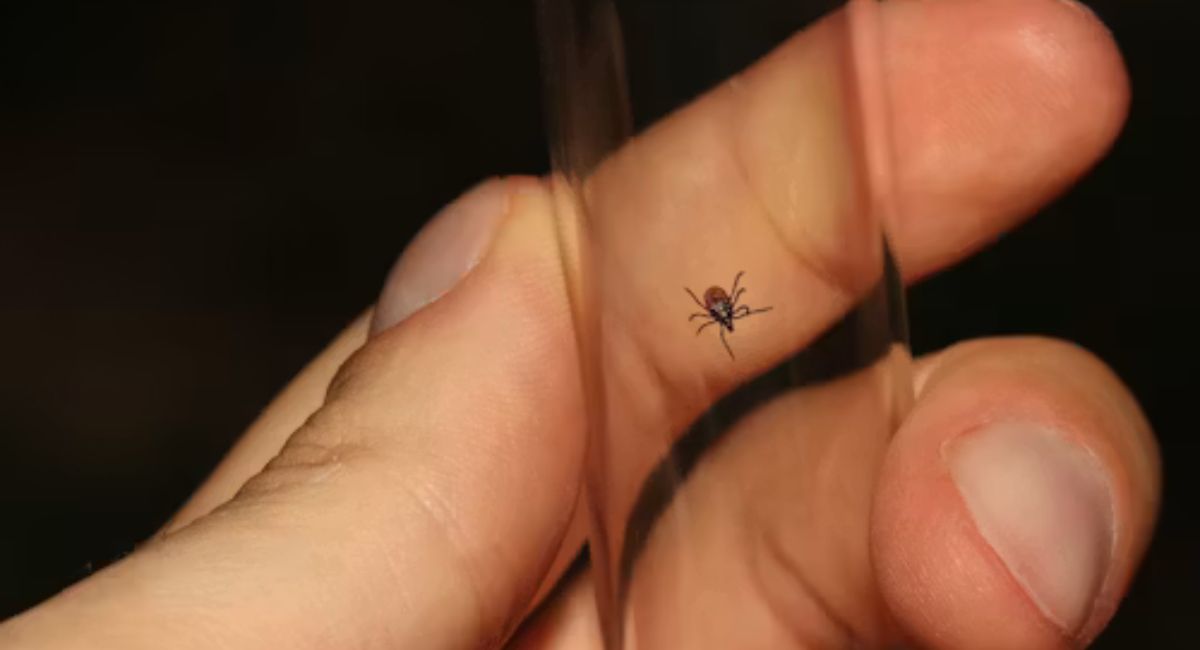
Chronic Lyme Research on Martha’s Vineyard is drawing new attention as scientists work to understand why some people recover from Lyme disease while others continue to struggle with long-term symptoms. For residents in tick-heavy regions, the study offers hope, but it also raises serious questions about diagnosis, treatment, prevention, and the lasting effects of tick-borne illness.
Martha’s Vineyard has long been known as an area where Lyme disease and other tick-related illnesses are a major concern. The island’s environment, wildlife, and high exposure to ticks make it an important place for researchers trying to learn more about how Lyme disease affects the body over time.
The new research is important because many patients say their symptoms do not end after initial treatment. Some report fatigue, body aches, brain fog, rashes, joint pain, and weakness that can last for months or even years. For these patients, the condition is often described as chronic Lyme, though many medical experts use the term Post-Treatment Lyme Disease Syndrome.
Chronic Lyme Research Brings New Hope For Patients
The biggest positive side of Chronic Lyme Research is hope. Many patients with long-term symptoms feel frustrated because they do not always receive clear answers. They may look healthy from the outside while dealing with exhaustion, pain, memory problems, or difficulty concentrating.
Research on Martha’s Vineyard could help doctors better understand why symptoms continue in some people. Scientists are looking at possible explanations such as immune system changes, inflammation, genetic differences, reinfection, co-infections, or other biological factors.
If researchers can identify patterns in patients who develop long-term symptoms, it may help improve diagnosis and treatment in the future. That could be life-changing for people who have felt ignored, misunderstood, or left without a clear path forward.
Why Martha’s Vineyard Matters In Lyme Disease Study
Martha’s Vineyard is an important location for Chronic Lyme Research because tick-borne disease has affected the island for years. The region has a high level of tick exposure, making it a useful place to study how Lyme disease spreads and how people respond after infection.
Researchers can learn from patients who live in areas where tick bites are common. They can also study the local environment, tick populations, animal hosts, and patterns of infection. This combination may help scientists see a fuller picture of Lyme disease instead of only studying patients after symptoms appear.
Understanding the island’s tick problem may also help other communities. Many parts of the Northeast face similar concerns, and climate, wildlife, and outdoor activity all play a role in tick exposure.
Serious Questions Remain About Chronic Lyme
While the research brings hope, serious questions remain. One of the biggest challenges is that chronic Lyme is a debated term. Some patients use it to describe long-term illness after Lyme disease, while many health agencies prefer more specific language such as Post-Treatment Lyme Disease Syndrome.
The difference matters because the cause of ongoing symptoms is still not fully understood. Some theories point to lingering immune system activity. Others focus on inflammation, tissue damage, co-infections, or the possibility that symptoms may have causes beyond Lyme disease itself.
This uncertainty makes Chronic Lyme Research both urgent and complicated. Patients need support, but doctors also need strong evidence to avoid unnecessary or risky treatments.
Diagnosis Can Be Difficult For Long-Term Symptoms
One reason long-term Lyme symptoms are so difficult to address is that many of them overlap with other conditions. Fatigue, pain, brain fog, sleep problems, and mood changes can also appear in autoimmune disease, chronic fatigue conditions, other infections, stress-related illness, and neurological disorders.
That makes diagnosis more complicated. Doctors may need to rule out many other possible causes before linking symptoms to a past Lyme infection. This can be a slow and frustrating process for patients.
Better research could help create clearer diagnostic tools. If scientists can find reliable markers in blood, immune response, or inflammation patterns, patients may get answers faster and receive more targeted care.
Prevention Remains A Major Part Of The Fight
Even as Chronic Lyme Research moves forward, prevention remains one of the strongest protections. Avoiding tick bites is still critical, especially in areas where Lyme disease is common.
People who live in or visit tick-heavy regions should use insect repellent, wear protective clothing, check their bodies after being outdoors, shower after time in wooded or grassy areas, and remove ticks quickly and properly. Pets should also be checked because they can bring ticks into homes.
Early detection is also important. Lyme disease is often easier to treat when caught early. Anyone who develops a rash, fever, fatigue, joint pain, or flu-like symptoms after a tick bite should contact a healthcare provider.
What This Research Could Mean For Future Treatment
The long-term goal of Chronic Lyme Research is not only to explain symptoms but also to improve care. If researchers discover why some patients develop persistent illness, doctors may be able to offer better treatment plans.
Future care could become more personalized. Some patients may need support for inflammation, others may need help with nerve pain, fatigue, sleep, or cognitive symptoms. A better understanding of the condition could also reduce stigma and help patients feel taken seriously.
This does not mean every question will be answered quickly. Lyme disease is complex, and long-term symptoms can involve multiple body systems. But every strong study adds another piece to the puzzle.
A Careful Step Forward For Lyme Patients
Chronic Lyme Research on Martha’s Vineyard offers a careful but meaningful step forward. It gives patients hope that their symptoms are being studied more seriously, while also reminding the public that science still has many questions to answer.
The issue is not only about one island or one disease. It is about how medicine responds when people continue to suffer after an infection appears to be treated. For many patients, the need is simple: better answers, better testing, better treatment, and better understanding.
As researchers study Martha’s Vineyard and other high-risk areas, the findings could help shape the future of Lyme disease care. The hope is that this work will lead to clearer diagnosis, safer treatment, and stronger prevention for people living with the long-term effects of tick-borne illness.
Also Read About: City Parking Efforts Reviewed As Officials Address Ongoing Challenges