
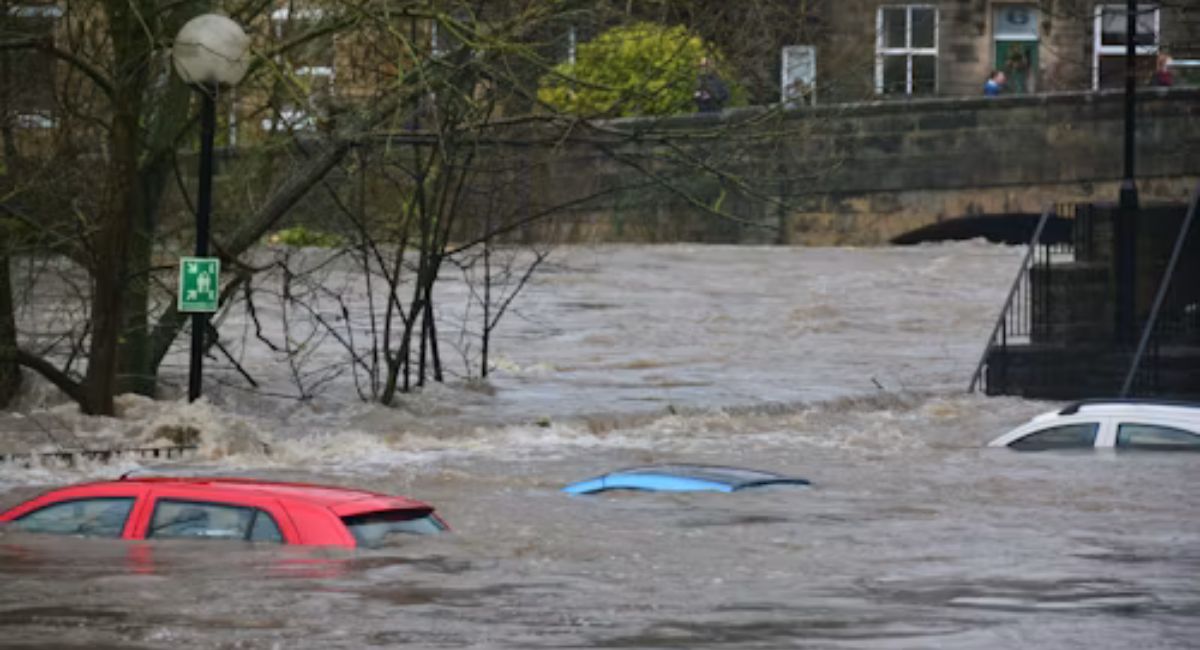
City officials are checking on Ottawa flood victims as residents continue cleaning damaged homes and dealing with the emotional and financial consequences of severe rainfall.
The flooding affected basements, apartment buildings, roads and public infrastructure across parts of the city. For many residents, the emergency did not end when the water receded. Families are now removing damaged belongings, contacting insurance providers and trying to determine whether their homes are safe.
Ottawa officials have described the recovery as a very challenging time for affected residents. Municipal workers and community partners are continuing to provide information, conduct outreach and connect households with available support.
The City of Ottawa said crews were still responding to reports of damage involving trees, roads and infrastructure as of July 9. It has also established dedicated information covering basement flooding, storm-related waste, insurance, cleanup procedures and emergency contacts.
City Conducting Outreach To Ottawa Flood Victims
The city’s response has moved from the immediate emergency phase toward neighbourhood recovery.
Officials are checking on affected residents to better understand their circumstances and identify people who may need additional assistance. That outreach is especially important for seniors, people with disabilities, families with young children and residents who have been displaced from their homes.
Some households may require temporary accommodation, cleanup assistance or help accessing social services. Others may need clear information about waste collection, insurance claims or potential health risks inside flooded properties.
Regular contact can also help officials identify neighbourhoods where the damage is more extensive than originally reported.
Flood Recovery Remains A Difficult Process
Cleaning a flooded home can take days or weeks, depending on the depth of the water and the amount of damage.
Residents may have lost furniture, appliances, flooring, personal records and irreplaceable family belongings. Water can also damage electrical systems, foundations, drywall and insulation.
In some cases, families cannot immediately return home because of safety concerns or ongoing repairs. Even residents who remain in their properties may be living without access to important rooms or household equipment.
The financial pressure can become significant when insurance does not cover every expense. Deductibles, temporary housing, replacement costs and missed work can add to the burden.
For these reasons, recovery is often both physically exhausting and emotionally overwhelming.
Heavy Rainfall Damaged Homes And Infrastructure
The extreme weather event brought intense rainfall that overwhelmed drainage systems and caused water to enter homes in several communities.
City crews have been assessing roads, trees, sewers and other public infrastructure while responding to reports submitted by residents. Officials have encouraged people to report basement flooding because the information helps the municipality understand the scale and location of the damage.
The city’s emergency information pages include guidance for people dealing with basement floods and property damage. Residents can also find instructions on storm-related waste and how to contact the appropriate municipal service.
Information collected after the storm may help the city identify recurring trouble spots and determine whether additional drainage improvements are required.
Storm-Related Waste Collection Supports Cleanup
One of the most immediate problems facing Ottawa flood victims is disposing of water-damaged material.
Flooded households may need to remove carpeting, furniture, drywall, insulation and other items that cannot be safely restored. The amount of debris can quickly exceed normal household garbage limits.
The city has provided storm-related waste information as part of its emergency response. Residents should follow municipal instructions when placing damaged material at the curb and keep hazardous products separate from ordinary garbage.
People should also document damaged items before disposal when it is safe to do so. Photographs, videos and receipts may be useful when submitting an insurance claim.
Health Risks Remain After Floodwater Recedes
Flood recovery can expose residents to contaminated water, mould, sharp objects and electrical hazards.
People should avoid entering a flooded basement when there is a possibility that electricity remains active. Electrical service may need to be disconnected or inspected before cleanup begins.
Items contaminated by sewage or dirty floodwater should be handled carefully. Residents cleaning affected areas should use protective gloves, waterproof footwear and suitable clothing.
Wet materials should be removed and affected spaces dried as quickly as possible. Mould can begin developing after moisture remains inside a building, creating additional health and repair concerns.
The City of Ottawa has published cleanup information to help residents manage these risks.
Anyone who feels unwell after exposure to floodwater should seek medical guidance.
Insurance Questions Add To Residents’ Stress
Insurance coverage has become another major concern for households affected by the flooding.
Not every home insurance policy provides the same protection. Coverage may depend on whether water entered through a sewer backup, overland flooding, a damaged roof or another source.
Residents should contact their insurers as soon as possible, clearly describe the damage and ask what documentation is required.
Before beginning major repairs, homeowners may need approval from an adjuster. However, they should still take reasonable steps to prevent additional damage when it is safe to do so.
The city has provided information about insurance and claims, although residents must speak directly with their insurance companies to confirm individual coverage.
Homeowners should keep records of conversations, claim numbers, photographs and cleanup expenses.
Displaced Residents Face Additional Challenges
Some flood victims have been unable to remain in their homes because of extensive water damage.
Temporary displacement can disrupt work, education, medical care and family routines. Residents may need to stay with relatives, book accommodation or find emergency housing while waiting for inspections and repairs.
People with limited financial resources may face greater difficulty covering these unexpected costs.
City outreach can help ensure displaced households know where to find municipal information and community support. It can also help officials determine whether the emergency has created longer-term housing needs.
Community organizations, neighbours and volunteers often play an important role by providing meals, supplies, transportation and emotional support.
City Crews Continue Repair And Assessment Work
The municipal response includes more than residential outreach.
Crews are continuing to inspect and repair public infrastructure damaged by the storm. Fallen or weakened trees, damaged roads and drainage problems may require continued attention after the weather improves.
Residents should avoid areas blocked by municipal crews and report dangerous conditions through the appropriate city channels.
Repair timelines may vary depending on the severity of the damage and the number of service requests received.
Municipal officials are also expected to review the overall response and examine how infrastructure performed during the heavy rainfall.
Flood Reports Could Guide Future Improvements
Detailed reports from residents can help officials understand where sewer systems, drainage routes or road infrastructure struggled during the storm.
This information may support future engineering reviews and decisions about flood-prevention investments.
Ottawa’s broader climate strategy recognizes that the city must prepare for warmer, wetter and more unpredictable conditions. It identifies flood preparedness, infrastructure improvements and community response planning as important parts of local climate resilience.
However, infrastructure projects can require significant planning, funding and construction time. Residents in repeatedly affected areas may continue pressing for faster action and clearer explanations about local flood risks.
Residents Asked To Follow Official Recovery Guidance
People affected by the storm should rely on official municipal information and avoid putting themselves at risk during cleanup.
Flood-damaged structures may contain hidden hazards. Residents should not use electrical equipment in wet areas or enter unstable spaces.
They should also keep children and pets away from contaminated water and damaged materials.
The City of Ottawa recommends avoiding flooded roadways and waterways because water depth and current strength can be difficult to judge. People should never drive or walk through moving floodwater.
Anyone facing an immediate emergency should contact emergency services, while non-urgent municipal concerns can be reported through the city.
Emotional Support Is An Important Part Of Recovery
Flooding can have a lasting psychological impact.
Residents may feel anxious whenever heavy rain returns. Others may struggle with the loss of treasured possessions, financial uncertainty or the disruption of being forced from home.
Checking on flood victims is therefore not limited to inspecting physical damage. It also means recognizing the stress residents are experiencing and helping them feel connected to their community.
Family members, neighbours and community organizations can support affected people by listening, helping with practical tasks and sharing reliable information.
Recovery often takes longer than the public emergency response. Continued outreach can reduce isolation and ensure residents are not forgotten after media attention fades.
Ottawa Flood Victims Begin Long Road To Recovery
The city’s checks on affected households represent an important part of Ottawa’s recovery effort.
Crews are continuing to address infrastructure damage, while residents work through cleanup, insurance claims and repairs. Municipal information is available for basement flooding, waste removal, property damage and emergency contacts.
For many Ottawa flood victims, however, returning to normal life will take time.
Continued communication, practical support and careful review of the city’s flood response will be essential as affected neighbourhoods rebuild and prepare for future extreme weather.
Also Read About: Ottawa School Board Advises Students Against Pride Parade Participation Over Safety Concerns