
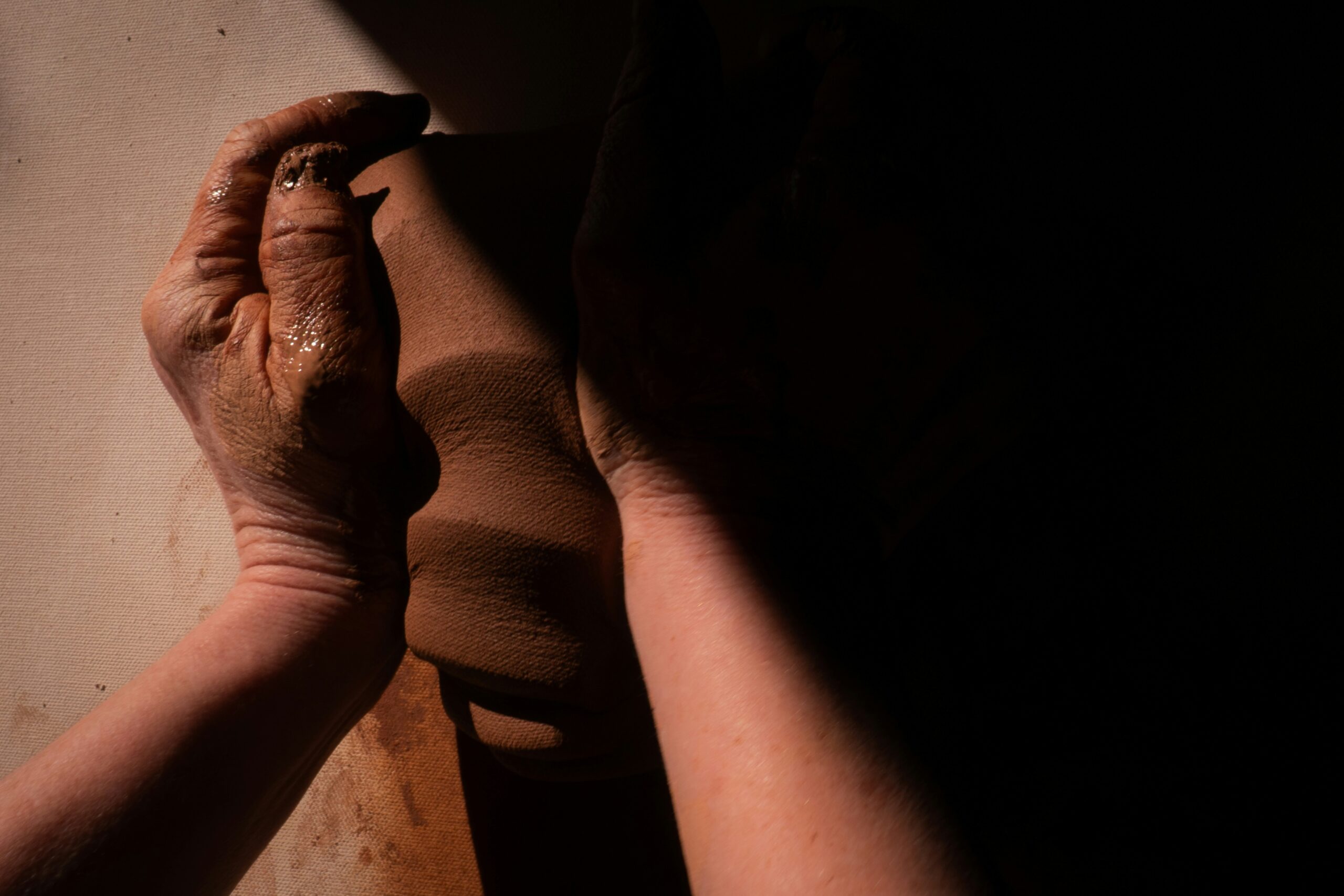
A powerful Ottawa clay art project is turning colourful animal sculptures into something much bigger than decoration. Through joyful air-dry clay creations, artist Benjamin Lachapelle is sharing a message of inclusion, acceptance, creativity, and belonging.
The Ottawa Citizen recently highlighted Lachapelle’s work in a story titled “Ottawa artist’s joyful clay world is a call for inclusion,” noting that the artist reaches for colourful air-dry clays to create his imaginative world even on gloomy days. The article, written by Robert Hiltz and published on May 20, 2026, brought fresh attention to Lachapelle’s bright artistic universe and the larger message behind it.
Ottawa Clay Art Project Carries a Deeper Message
At first glance, Lachapelle’s clay animals may appear playful, charming, and full of childlike wonder. But the heart of the project is deeper. His work invites people to see creativity through a more inclusive lens, where difference is not treated as a barrier but as a source of imagination.
Lachapelle is known through BenAnimalia, a social enterprise inspired by his passion for animals. According to the official BenAnimalia website, the project’s mission is to spread joy and help make the world more caring for animals and people, especially those with different abilities.
That mission gives this Ottawa clay art project its emotional strength. It is not only about making art. It is about making space.
Who Is Benjamin Lachapelle?
Benjamin Lachapelle calls himself an “Animal Knower.” He is an autistic artist, author, illustrator, painter, and sculptor whose creative world is built around animals. His official artist biography says he was diagnosed with classical autism at age three and has used drawing, painting, sculpture, illustration, and storytelling to express himself and connect with the world around him.
His work has been commissioned by organizations including McGill University, Inspirations Newspaper, the English Montreal School Board, Fondation Autisme de Laurentides, 4Korners, and other community groups. His paintings and sculptures have also been shown at several events and collected by people across North America.
For audiences in Ottawa and beyond, Lachapelle’s art offers a warm reminder that creative talent does not need to follow one narrow path.
Clay Animals Become Symbols of Belonging
Animals are at the centre of Lachapelle’s artistic world. He draws them, paints them, sculpts them, writes about them, and uses them to communicate emotion. His clay creations feel joyful because they come from a place of deep connection.
According to Autism Alliance of Canada, Lachapelle has used art to manage his feelings and express himself, channeling both joy and anxiety into paintings, sculptures, stories, and illustrations. The organization has also described his work as a way to share his love for animals while promoting autism acceptance and inclusion.
This is why the project connects with so many people. The animals are not just figures. They are emotional bridges. They help viewers enter Lachapelle’s world with curiosity instead of judgment.
Inclusion Through Art, Not Labels
One of the strongest parts of this Ottawa clay art project is how it challenges the way people think about disability, communication, and creativity. Too often, society focuses on what people cannot do. Lachapelle’s work shifts the focus to expression, ability, imagination, and contribution.
Inspirations News has described him as a multidisciplinary autistic artist with a singular focus on animals. The publication also noted that his work supports autism acceptance and inclusion through school readings, sculpting activities, and community engagement.
That matters because inclusion is not only about access. It is also about visibility. When people see Lachapelle’s work, they see a creative voice that deserves attention on its own terms.
A Joyful Response to a Serious Issue
The beauty of Lachapelle’s clay world is that it does not feel heavy, even though it speaks to an important social issue. His art is bright, expressive, and full of movement. It uses joy as a form of advocacy.
In a world where conversations about inclusion can sometimes become abstract, his work makes the message visible and approachable. A colourful animal sculpture can open a conversation that a formal speech may not. A playful figure can help children, families, teachers, and art lovers think differently about neurodiversity.
That is what makes the project powerful. It does not demand attention through anger. It earns attention through wonder.
Why Ottawa Audiences Are Paying Attention
Ottawa has a growing appetite for community-based arts, public storytelling, and creative projects that reflect diversity. Lachapelle’s clay work fits into that space because it combines visual appeal with a meaningful message.
His art is easy to enjoy, but it also invites reflection. It asks viewers to consider how many creative voices are overlooked when people make assumptions about ability. It also shows how art can become a tool for connection between neurodivergent creators and the wider public.
Also Read About: Income Needed to Buy a Home in Ottawa Jumps $3,000 in April