
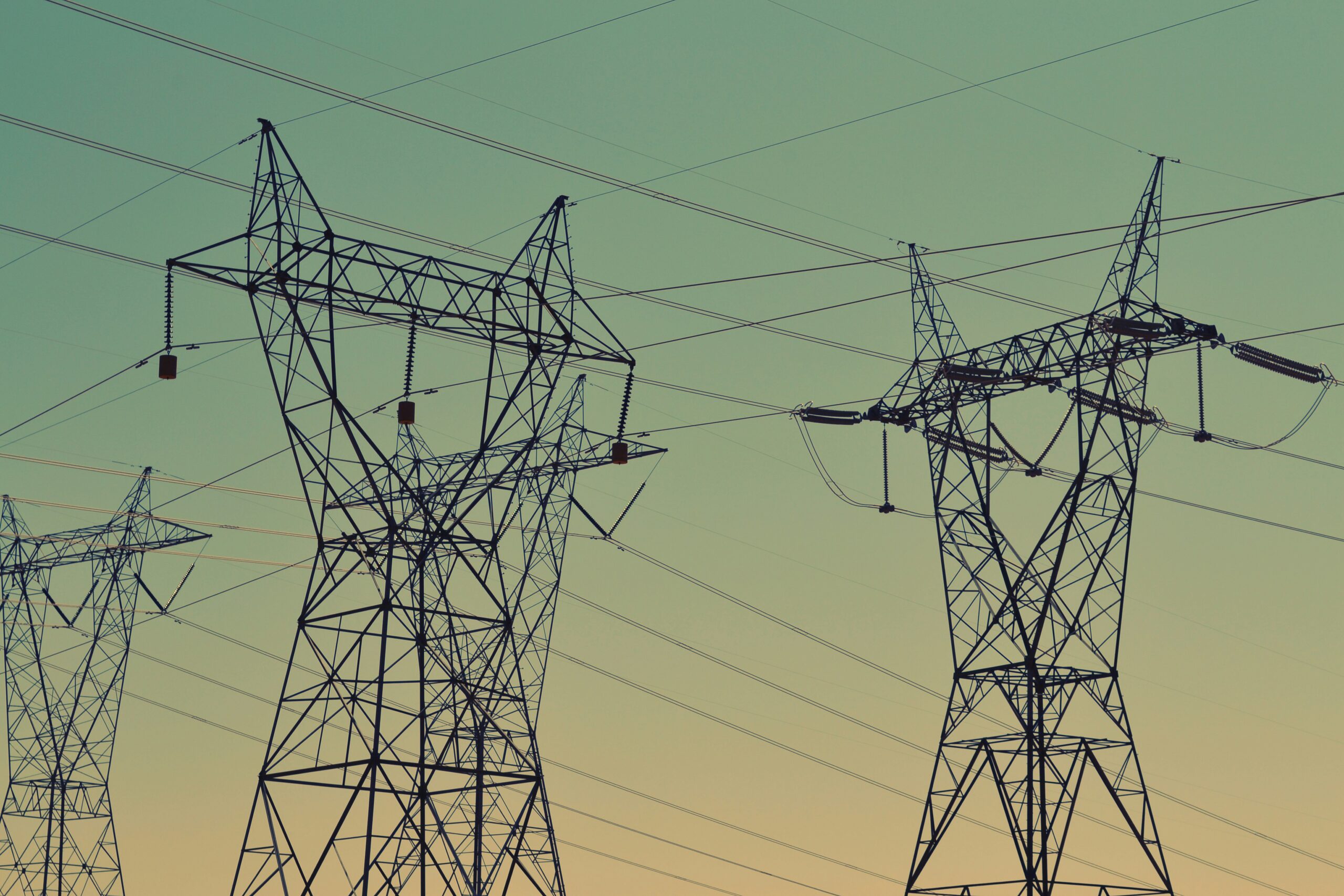
Ottawa Electrical Grid Expansion Plan Puts Funding Pressure on Federal Government
Ottawa is facing growing pressure to help fund a massive electrical grid expansion as Canada prepares for rising power demand, cleaner energy goals and major industrial growth. A new federal discussion paper suggests the government is considering ways to shoulder part of the cost of doubling the country’s grid by 2050 while keeping electricity reliable and affordable for Canadians.
The discussion paper, released on May 14, 2026, lays out the broad direction of Canada’s electricity strategy and opens the plan for feedback. Prime Minister Mark Carney described the challenge as large, urgent and complex, saying Canada must find the right mix of power sources while expanding the system at speed.
Canada Plans to Double Grid Capacity by 2050
The federal government says its new National Electricity Strategy is designed to double Canada’s grid capacity by 2050 and provide clean, reliable and affordable power across the country. Ottawa says electricity demand is expected to double by mid-century as the economy becomes more energy-intensive.
The plan is not only about adding more power generation. It also includes transmission lines, distribution upgrades, storage, grid modernization, skilled labour and domestic manufacturing. The government says consultations will focus on how to finance the buildout in a way that spreads costs over time and protects affordability.
Funding Options Include Tax Credits and Federal Financing Tools
The discussion paper suggests several possible funding paths. These include tax credits, support through the Canada Infrastructure Bank, the Canada Growth Fund, the Indigenous Loan Guarantee Program, and other programs such as the Smart Renewables and Electrification Pathways Program.
This matters because the scale of the project is enormous. Reuters reported that Canada’s strategy is valued at about C$1 trillion, with the federal government aiming to double grid capacity by 2050 amid rising demand from industry, artificial intelligence data centres and electric vehicles.
Fragmented Grids Are a Major Challenge
One of the biggest problems identified by Ottawa is Canada’s fragmented electricity system. Provincial and territorial grids often operate separately, making it harder to move power efficiently across the country. The federal strategy calls for new and expanded East-West-North transmission lines to better connect regional grids and improve reliability.
The government says fragmentation can lead to outages, duplicated infrastructure and wasted power. Better interprovincial connections could allow provinces with surplus electricity to support areas facing higher demand, especially during extreme weather events or peak consumption periods.
Workers and Manufacturing Will Be Key
The strategy also highlights a major labour challenge. Ottawa says doubling the grid will require more than 130,000 high-skilled workers by 2050, including people needed to build, operate and maintain new power infrastructure.
The discussion paper also points to the need for stronger domestic manufacturing. Canada will need more wires, transformers, grid components, storage technology and clean-energy equipment. Supporters argue this could create a major economic opportunity if Canadian companies are able to supply more of the hardware needed for the buildout.
Natural Gas Flexibility Draws Attention
The plan also signals a more flexible approach to clean electricity rules. Ottawa says it intends to adjust clean electricity regulations to help maintain reliability and affordability while still reducing emissions. The strategy allows room for natural gas to play a role in the power system, especially where reliability concerns remain significant.
That part of the plan may draw debate. Supporters may see flexibility as necessary to keep the lights on during the transition, while critics may worry that too much reliance on natural gas could slow progress toward a cleaner grid.
Why the Grid Buildout Matters for Canadians
The Ottawa electrical grid expansion plan could affect households, businesses, provinces, utilities and investors. If done well, a stronger grid could support electric vehicles, heat pumps, clean manufacturing, data centres and new industrial projects. It could also improve energy security by reducing dependence on imported power.
However, the cost question remains difficult. Building new generation, transmission and storage infrastructure will require huge investment. Ottawa must decide how much should come from taxpayers, ratepayers, private investors, pension funds and public financing agencies.
Also Read About: Business Groups Call on Quebec and Ottawa to Let More Immigrants Remain