
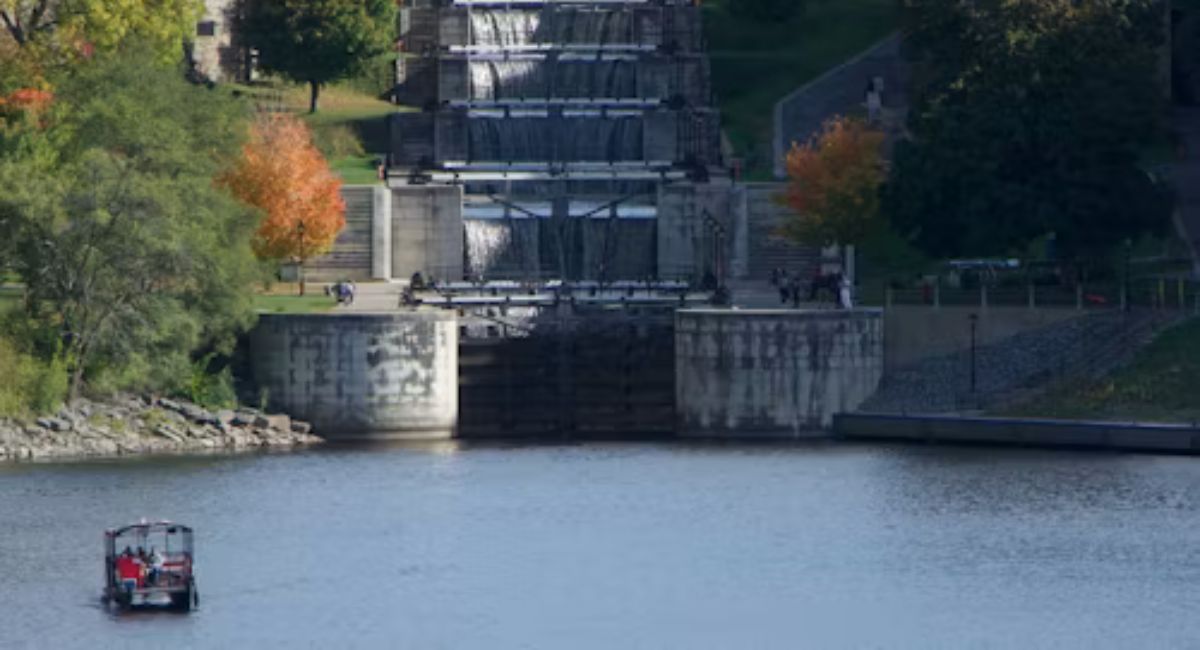
A heartbreaking Rideau River child death has shaken Ottawa after a six-year-old child died after being found in the water. The tragedy has left the community grieving and has renewed concern about water safety around the city’s rivers, beaches, parks, and shorelines.
According to reports circulating from CBC Ottawa and local Ottawa community updates, the child was found in the Rideau River near the Mooney’s Bay area. Emergency response details remain limited, and authorities are expected to continue reviewing the circumstances surrounding the incident. What is clear is that the death of a young child has deeply affected residents, families, and first responders.
The incident is a painful reminder that open water can become dangerous very quickly, even in familiar public spaces. Ottawa is home to many popular waterfront areas, including the Rideau River, Ottawa River, Rideau Canal, Mooney’s Bay, Petrie Island, Britannia Beach, and other parks where families gather during warmer weather.
Rideau River Child Death Leaves Ottawa Community in Grief
The death of a six-year-old child is one of the most devastating events any community can face. For parents, caregivers, neighbours, and witnesses, the loss is almost impossible to process. A day near the water can turn tragic in moments, and the emotional impact often reaches far beyond the immediate family.
Residents responding to the news have expressed sadness and sympathy for the child’s loved ones. Many have also pointed to the need for greater awareness around river safety, especially as warmer weather brings more families outdoors.
While many people associate drowning risks with swimming pools or designated beaches, rivers can be especially unpredictable. Currents, slippery banks, uneven riverbeds, sudden drop-offs, cold water, and hidden hazards can create dangerous conditions even for people who are not intending to swim.
Why Ottawa Waterways Can Be Dangerous
Ottawa Public Health warns that the city’s waterways can include fast-flowing water, rapids, sudden drop-offs, and currents strong enough to overpower even capable swimmers. The agency advises families to keep children within arm’s reach in and around water and never leave a child alone near rivers, lakes, pools, or other bodies of water.
This guidance is especially important near natural water areas. Unlike controlled swimming pools, rivers can change quickly depending on weather, water levels, runoff, and current speed. A shoreline that appears calm from above may still have deep sections, unstable footing, or a current that becomes stronger just a few steps away.
At places such as Mooney’s Bay and other areas connected to the Rideau River system, families may see open green space and public recreation areas. However, any water access point still requires close supervision and caution.
Emergency Response and Investigation
In tragedies involving children, police and emergency services typically investigate to understand what happened and whether any safety concerns need to be addressed. These investigations can take time, especially when the goal is to gather facts respectfully and accurately.
At this stage, officials have not publicly released every detail about the incident. That is why the focus should remain on confirmed information, compassion for the family, and public safety awareness rather than speculation.
First responders who attend child emergencies also face significant emotional strain. Incidents involving young children are among the most difficult calls for police, paramedics, firefighters, and rescue crews. Community support often extends not only to the family but also to those who tried to help.
Water Safety Reminder for Families
The Rideau River child death is a painful reminder for families to take water safety seriously at all times. Ottawa Public Health recommends that children be kept within arm’s reach whenever they are in or near water. This applies not only at beaches and pools but also around rivers, lakes, ponds, docks, and shorelines.
Children and weaker swimmers should wear properly fitted life-jackets or personal flotation devices when near open water. Families should also avoid swimming outside designated areas and pay attention to posted signs, warning flags, and local safety messages.
Supervision is the most important layer of protection. A child can get into trouble silently and quickly. Drowning often does not look like dramatic splashing or calling for help. It can happen in seconds, especially when a child slips, panics, or is pulled by a current.
What Parents and Caregivers Should Watch For
Parents and caregivers should be especially careful near rocky banks, river edges, bridges, docks, culverts, dams, rapids, and areas where the water appears calm but may have a hidden current. Children should be reminded not to run near shorelines, climb on slippery rocks, or enter water without an adult.
Families visiting parks near water should choose a meeting point, keep phones charged, and make sure at least one adult is focused only on watching children near the water. Distractions such as phones, conversations, food preparation, or packing bags can create brief moments when a child moves toward danger unnoticed.
Swimming lessons can help children build confidence, but they do not replace adult supervision. Even strong swimmers can struggle in cold, fast, or unexpected water conditions.
Community Calls for Awareness
After tragedies like this, communities often ask what can be done to prevent future deaths. Some possible steps include stronger signage near dangerous areas, more public education, wider access to swimming lessons, increased awareness campaigns before summer, and better reminders at parks where families gather near water.
Ottawa already has public health guidance on water safety, but incidents like this show why the message must be repeated often. Families new to the city, visitors, young children, and people unfamiliar with river conditions may not fully understand the risks.
Water safety is not about blaming families. It is about recognizing that accidents can happen quickly and that prevention needs several layers: supervision, barriers, life-jackets, education, safe swimming areas, emergency readiness, and community awareness.
A Tragedy That Should Be Met With Compassion
The most important response to this incident is compassion. A family is grieving an unimaginable loss. The child’s name and personal details should be treated with care, and the community should avoid speculation while authorities continue their work.
Public attention should focus on support, safety, and prevention. Every child’s death near water is a reminder that families, cities, and communities must stay alert around rivers and lakes, especially during warm-weather months.
Also Read About: Ford Defence Strategy Puts Spotlight on Ottawa and Toronto’s Push for New Bank