
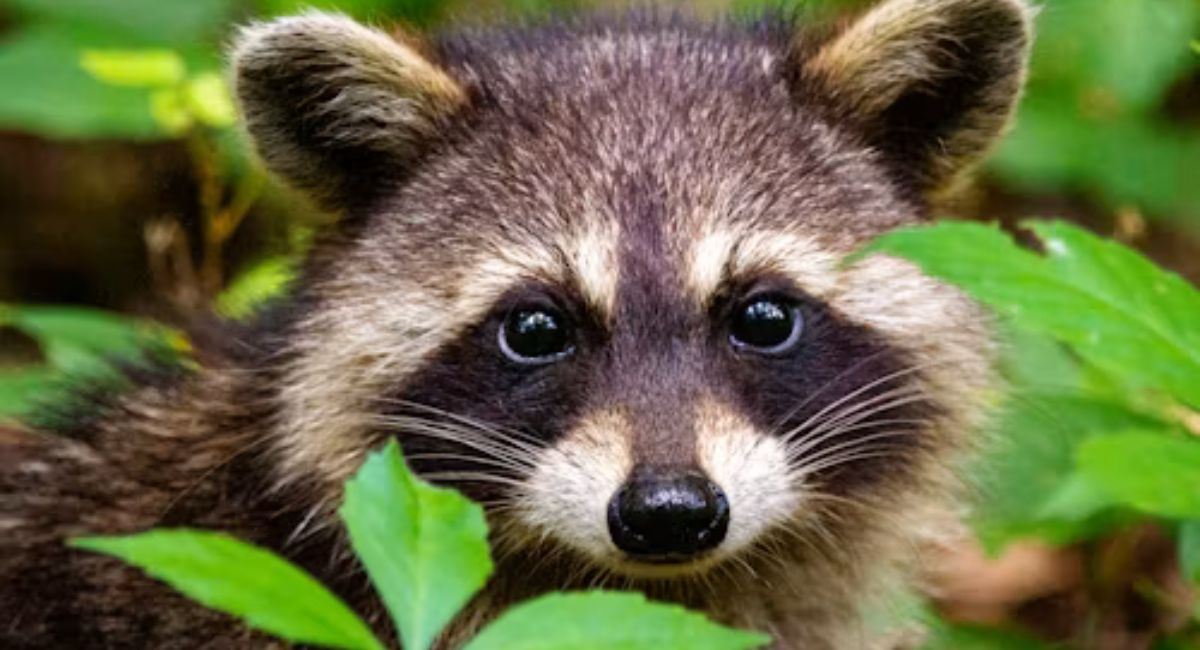
The Quebec raccoon rabies outbreak is prompting an urgent wildlife vaccination response as provincial teams work to slow the spread of the virus in southern Quebec. The province says raccoon rabies returned in 2024 after years of control, with new cases detected in Estrie and Montérégie. According to Quebec’s latest public update, 89 cases of raccoon rabies have been confirmed since January 1, 2026.
Quebec Raccoon Rabies Outbreak Expands Concern
The Quebec raccoon rabies outbreak is a growing concern because the virus can spread through infected mammals and can create risks for people, pets, farms, and wildlife. Quebec says raccoon rabies mainly affects raccoons and striped skunks, and the current return is linked to cases moving north from Vermont.
The province had previously controlled this variant after outbreaks between 2006 and 2009, followed by only one isolated case in 2015. However, a new case was identified in December 2024, and officials say additional cases have since appeared in Estrie and Montérégie.
Vaccination Teams Target High-Risk Areas
Quebec’s response includes surveillance and control operations aimed at raccoons, skunks, and foxes. The government says wildlife vaccination is the main intervention used to contain, reduce, or eliminate raccoon rabies in affected territory.
In 2026, Quebec planned two major control operations, one in April and another in August. During the spring operation, teams distributed more than 206,000 vaccine baits across about 2,500 square kilometres in 55 municipalities in Estrie and Montérégie.
Officials also launched an additional trap-vaccinate-release operation in Montérégie after cases increased significantly across the region. That effort covered about 750 square kilometres and 32 municipalities, with wildlife technicians and animal health professionals capturing raccoons and skunks, vaccinating them, and releasing them on site.
Why Officials Are Acting Quickly
The response is urgent because rabies can be fatal once symptoms appear. Public health officials in Montérégie and Estrie warned that rabies has a 100 percent mortality rate in humans and animals after symptoms develop, but they also said rapid treatment after exposure can prevent the disease from developing.
That is why officials are urging residents to avoid contact with unknown domestic animals and wild animals, especially raccoons, skunks, and foxes. The goal is not only to protect wildlife, but also to prevent infected animals from reaching more populated areas, including municipalities near Montreal’s South Shore.
What Residents Should Do If They See A Sick Animal
Quebec asks residents to stay away from wild animals that appear sick, injured, unusually aggressive, unusually calm, active during the day despite being nocturnal, or unable to move normally. Signs of rabies can include abnormal behaviour, excessive salivation, strange sounds, paralysis, disorientation, or loss of fear of humans.
Residents in affected areas should report suspicious raccoons, skunks, and foxes instead of trying to capture or help them. Quebec says people who suspect a wild animal has rabies should stay away and report it through the official reporting system or by calling 1-877-346-6763.
Vaccine Baits Are Safe But Should Not Be Handled
Quebec says vaccine baits used in control operations are considered safe for humans, domestic animals, and the environment, and they cannot transmit rabies. However, residents are told not to handle them because human scent can reduce their effectiveness and because damaged baits should be treated carefully.
If a bait is intact and away from human activity, officials advise leaving it where it is so wildlife can consume it. If a bait is crushed or pierced, people should avoid direct contact with the vaccine liquid and use tools such as a shovel to dispose of it safely.
Pet Owners Also Have A Role
Pet owners should keep animals supervised in affected zones, avoid letting pets interact with wild animals, and make sure rabies vaccinations are up to date. Quebec says preventive rabies vaccination for domestic animals reduces the risk of transmission and concern after possible exposure.
If a person is bitten, scratched, or exposed to animal saliva, Quebec advises washing the wound immediately with soap and running water for 10 to 15 minutes and contacting Info-Santé 811 as soon as possible.
Also Read About: Hantavirus Cruise Ship Travellers End Self-Isolation As Health Officials Ease Concerns