
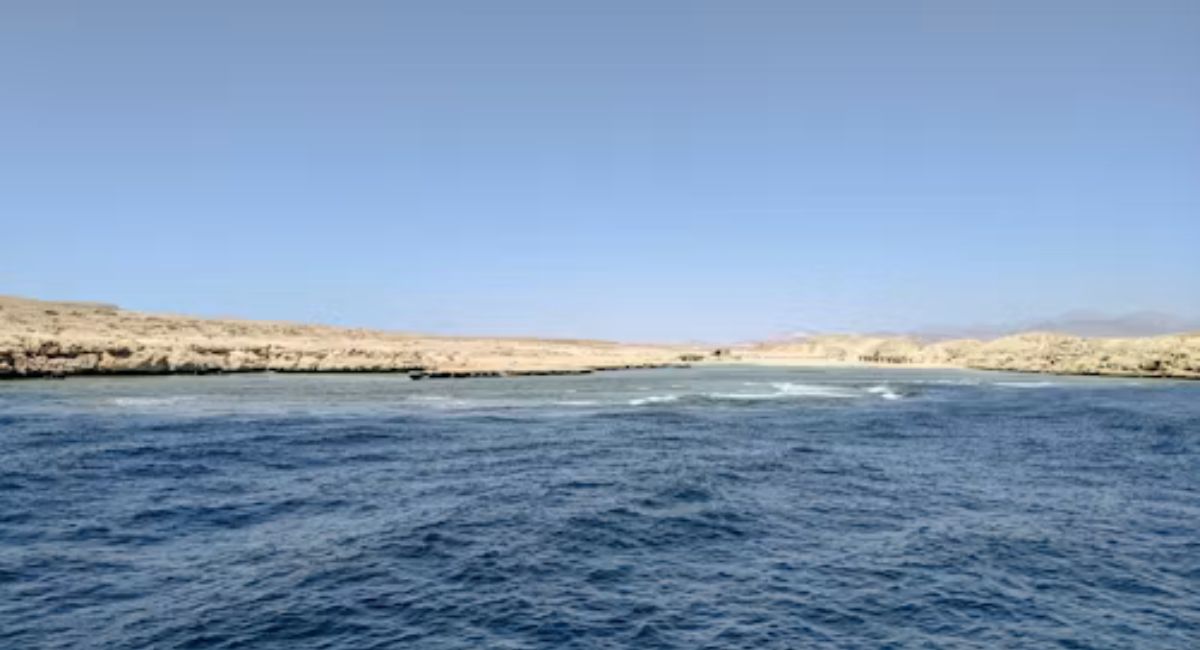
U.S. President Donald Trump has announced the return of a Strait of Hormuz blockade targeting Iranian maritime activity, alongside a proposed 20% charge on cargo moving through the strategically important waterway. Trump said the payment would reimburse the United States for protecting ships and keeping the route open during renewed tensions with Iran.
The July 13, 2026, announcement represents a major escalation in the confrontation surrounding one of the world’s most important energy corridors. Oil prices rose following the statement, while investors and shipping companies assessed the potential effects on fuel supplies, insurance costs and international trade.
However, important questions remain about how the cargo charge would be collected, which vessels would be covered and whether other countries would recognize U.S. authority to impose such a policy.
What Trump Announced About The Strait Of Hormuz Blockade
Trump said the United States would reinstate its naval pressure campaign against Iran and prevent Iranian vessels, as well as ships doing business with Tehran, from using the route freely.
At the same time, he said eligible cargo passing through the strait would face a charge equal to 20% of its value. Trump described the payment as compensation for U.S. security operations and suggested that Washington would act as the route’s protector.
The precise legal and operational details of the proposal were not immediately clear. It was uncertain whether the announced charge would function as a formal customs duty, a security fee, an insurance-style payment or a toll enforced through naval power.
The Strait of Hormuz blockade also appears to focus primarily on Iran rather than stopping all international shipping. Trump said the United States intended to keep the waterway open for other countries while restricting Iranian trade and collecting payment for safe passage.
This distinction is significant because a complete closure would disrupt shipments from several major Gulf energy exporters, not only Iran.
Read this also: New Traffic Plan Unveiled Ahead Of In-Person Work And School Return Amid Congestion Concerns
Why The Strait Of Hormuz Matters To Global Trade
The Strait of Hormuz is a narrow maritime passage connecting the Persian Gulf with the Gulf of Oman and the wider Arabian Sea. It provides a critical export route for energy producers including Saudi Arabia, Iraq, Kuwait, Qatar and the United Arab Emirates.
Around one-fifth of global oil and liquefied natural gas flows have historically moved through or near the strait, making it one of the world’s most economically sensitive maritime chokepoints.
Even a limited interruption can influence global oil prices because alternative routes cannot immediately replace all of the strait’s shipping capacity. Some Gulf states operate pipelines that bypass the waterway, but those systems have limited capacity compared with normal maritime exports.
A prolonged Strait of Hormuz blockade could also affect container ships carrying manufactured goods, food, chemicals and industrial materials. Higher shipping costs may eventually reach consumers through more expensive transportation, electricity and imported products.
The risks extend beyond the region. Countries in Asia and Europe depend heavily on Gulf energy, while changes in oil prices can influence inflation and economic growth in North America and elsewhere.
Oil Markets React To Renewed Security Fears
Oil futures climbed after Trump’s announcement as traders considered the possibility of tighter supplies and further military escalation.
West Texas Intermediate crude reportedly rose by approximately 4.5%, while Brent crude gained around 4.4% during trading on July 13. The increase reflected concerns that tanker traffic could slow further if shipowners judged the route too dangerous or expensive.
Oil markets often respond quickly to developments involving the strait because traders price in the risk of future disruption before an actual supply shortage occurs.
A 20% cargo charge could create additional uncertainty. For valuable oil shipments, the proposed payment could amount to millions of dollars for a single cargo, depending on how the policy is calculated and enforced.
Shipping companies may attempt to pass those expenses to energy producers, refiners or customers. They could also delay voyages while waiting for greater clarity, contributing to port congestion and reduced supply.
The Strait of Hormuz blockade may also push maritime insurance premiums higher. Insurers typically raise rates when vessels travel through areas exposed to missiles, drones, mines, seizures or military confrontation.
Renewed U.S.-Iran Tensions Drive The Decision
The announcement followed another period of escalating conflict between Washington and Tehran.
The United States initially introduced a blockade targeting Iranian ports in April 2026 after ceasefire negotiations ended without an agreement. Washington said its objective was to pressure Iran to restore freedom of navigation through the strait.
A later interim understanding was intended to reduce hostilities and support toll-free international shipping. However, disputes continued over maritime routes, control of vessel movements and the presence of U.S. forces.
The latest Strait of Hormuz blockade was announced after renewed attacks and accusations involving U.S. and Iranian forces. Iran has argued that American military operations are destabilizing the region, while Washington maintains that its forces are protecting international shipping.
The competing claims have created a complicated security environment. Both sides say they support stability, but each accuses the other of threatening commercial vessels and undermining negotiations.
Regional mediators have continued seeking a diplomatic solution, although the new U.S. announcement could make discussions more difficult.
Legal And Enforcement Questions Remain Unanswered
The planned 20% toll could face considerable legal and diplomatic resistance.
The Strait of Hormuz includes territorial waters belonging to Iran and Oman, while ships travelling through international straits generally have navigation rights recognized under maritime law. The United States does not own the waterway, raising questions about its authority to impose a broad cargo-based charge.
Enforcement would also require a significant military and administrative operation.
U.S. forces would need to identify ships, confirm their ownership, determine the origin and value of cargo, collect payments and decide how to respond when a vessel refused to cooperate. Experts previously warned that enforcing a blockade against Iran would require extensive naval resources and carry a serious risk of confrontation.
Cargo valuation could become especially difficult. Ships may carry multiple products belonging to different companies, and the value of commodities such as oil can change while a vessel is at sea.
Foreign governments may also object if the Strait of Hormuz blockade delays their energy imports or requires their companies to make large payments to the United States.
Until detailed rules are released, the 20% policy should be viewed as an announced proposal whose practical implementation remains uncertain.
Global Economic Consequences Could Be Significant
The largest economic concern is that the blockade and toll could increase the cost of energy worldwide.
Higher oil prices raise expenses for airlines, freight companies, manufacturers and farmers. Those businesses may then pass higher fuel and transportation costs to consumers.
Countries already facing inflation could experience additional pressure on household budgets. Petrol, diesel, aviation fuel and products transported over long distances may all become more expensive if the crisis continues.
Financial markets also reacted negatively to the announcement. Major U.S. stock indexes weakened during the session as investors shifted attention toward geopolitical risk and rising energy prices.
The Strait of Hormuz blockade could have particularly serious consequences for countries that rely heavily on imported oil and have limited emergency reserves.
At the same time, higher prices may benefit producers outside the Persian Gulf by increasing the value of their exports. The overall effect will depend on how long the restrictions last, whether vessels continue moving and whether diplomatic talks resume.
For now, the announcement has increased uncertainty without resolving the underlying dispute over control, security and freedom of navigation.