
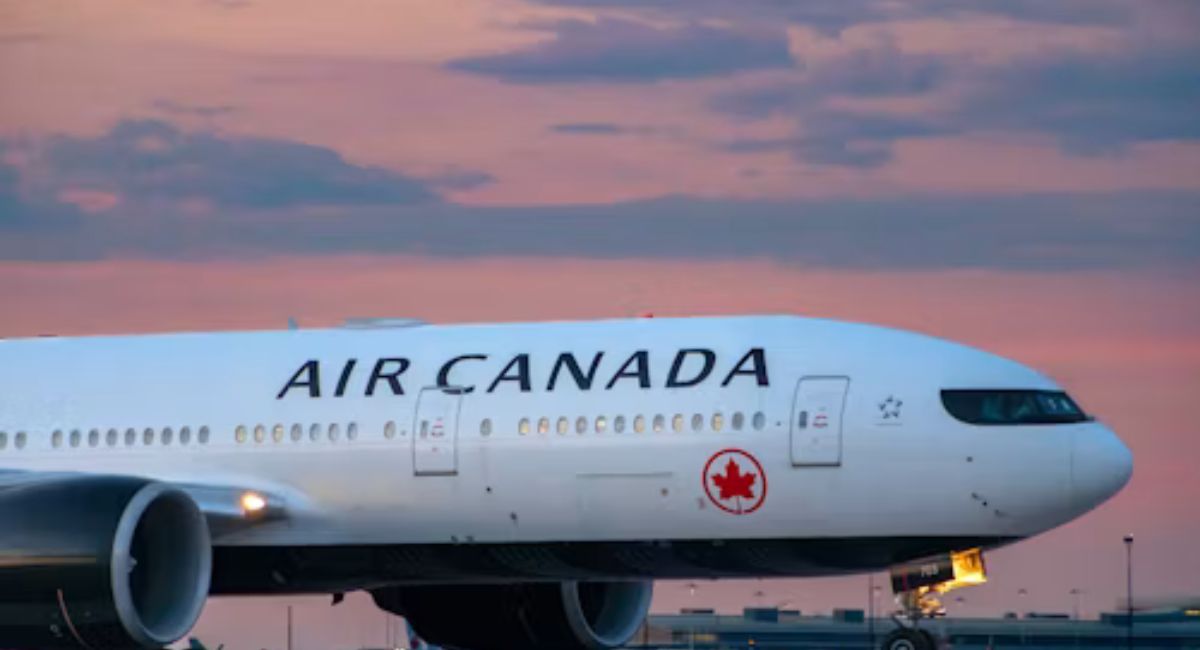
The Air Canada Pilot Licence case has sparked serious aviation safety concerns after a former Air Canada pilot was accused of flying for years without the proper credentials required for a captain operating large commercial passenger aircraft.
The case has drawn national attention because the allegations involve a long period of service, hundreds of flights and questions about how aviation licensing checks are verified. While Air Canada has said passenger safety was not compromised, the incident has still raised public concern about oversight, documentation and trust in the airline safety system.
Former Pilot Accused Of Flying Without Required Licence
According to police and aviation officials, former Air Canada pilot Geoffrey Wall is alleged to have operated as an airline captain between 2009 and 2025 without holding the required Airline Transport Pilot Licence, commonly known as an ATPL.
An ATPL is a higher-level licence required for captains of large aircraft operated by airlines in Canada. Air Canada said the former pilot held a valid Commercial Pilot Licence and had completed recurrent training, but he did not have the mandatory ATPL needed for the captain position.
This distinction is central to the case. A Commercial Pilot Licence allows a person to fly professionally, but it does not automatically qualify that pilot to serve as captain of large commercial passenger aircraft.
Why The Air Canada Pilot Licence Case Matters
The Air Canada Pilot Licence case matters because aviation safety depends on several layers of protection. Training, flight checks, medical fitness, experience and proper licensing all work together to protect passengers and crew.
Even if a pilot is experienced and has passed training checks, the correct licence remains a key legal and safety requirement. That is why this case has become more than a personnel issue. It has become a broader question about how airlines and regulators verify credentials over time.
For passengers, flying depends heavily on trust. Most travellers never see pilot documents or certification records. They trust airlines, regulators and internal safety systems to make sure every person in the cockpit is properly qualified.
Air Canada Says Safety Was Not Compromised
Air Canada has stated that safety was not compromised because its pilots undergo mandatory recurrent training every six months. The airline also said pilots complete regular flight checks with certified Transport Canada check pilots.
The company added that the former pilot was fully trained, held a valid Commercial Pilot Licence and successfully met or exceeded recurrent training requirements during employment.
However, Air Canada also acknowledged that proper licensing is an essential part of the airline industry’s multi-layered safety system. After discovering the issue, the airline said the pilot was removed from active duty and the matter was voluntarily reported to Transport Canada.
Investigation Raises Questions About Oversight
The case has raised questions about how such an alleged licensing gap could go unnoticed for so many years. Police said the investigation followed concerns over documentation and alleged misrepresentation.
Authorities have also said the former pilot allegedly used fraudulent licensing documents. The case has been linked to a fraud investigation and remains an active legal matter.
Because the matter is still before authorities, it is important to describe the case as an allegation. The former pilot has been charged, but the allegations have not been proven in court.
Transport Canada And Airline Checks Under Scrutiny
The Air Canada Pilot Licence scandal has placed renewed focus on Transport Canada, airline compliance systems and internal document verification. In aviation, licensing rules are not optional. They define what role a pilot can legally perform.
Air Canada said it has reinforced its administrative practices when physically verifying licences. The airline also said it now verifies original documents issued by Transport Canada and has audited its pilot group, finding no other cases of non-compliance.
Still, the public reaction shows that many Canadians want clearer answers about how records are checked, how often they are reviewed and how licensing problems can be detected earlier.
Passenger Confidence Becomes A Key Issue
For many travellers, the biggest concern is confidence. Air travel in Canada is generally built on strong regulation and strict safety practices. However, a high-profile case involving pilot credentials can quickly affect public trust.
The airline’s position is that the former pilot was trained and repeatedly checked for flying competency. But critics may argue that competency checks do not replace the need for the exact licence required by law.
This is why the case is likely to remain in the spotlight. It is not only about whether flights were safely operated. It is also about whether the licensing system worked as passengers expect it to work.
What Happens Next
The next stage will depend on the legal process and any additional findings from regulators. The former pilot is no longer employed by Air Canada, and the case remains under active investigation.
Transport officials and the airline may face pressure to explain what changes are being made to prevent similar problems in the future. Stronger digital verification, direct regulator checks and more frequent licence audits could become part of the wider discussion.
The Air Canada Pilot Licence case is a reminder that aviation safety depends on both skill and compliance. Even when an airline says flight safety was not compromised, proper licensing remains a critical part of public trust.
As the investigation continues, passengers will be watching closely for transparency, accountability and stronger safeguards across Canada’s aviation system.
Also Read About: Manitoba Hydro Warning Sparks Concern After Massive Storm Causes Power Outages