
Vancouver World Cup Cleanup Gains Attention Before FIFA 2026
The Vancouver World Cup Cleanup is becoming one of the most visible signs that the city is preparing for the biggest football event in the world. As FIFA World Cup 2026 approaches, Vancouver is working to polish public spaces, improve transport plans, upgrade event areas, and make the city feel ready for thousands of visitors.
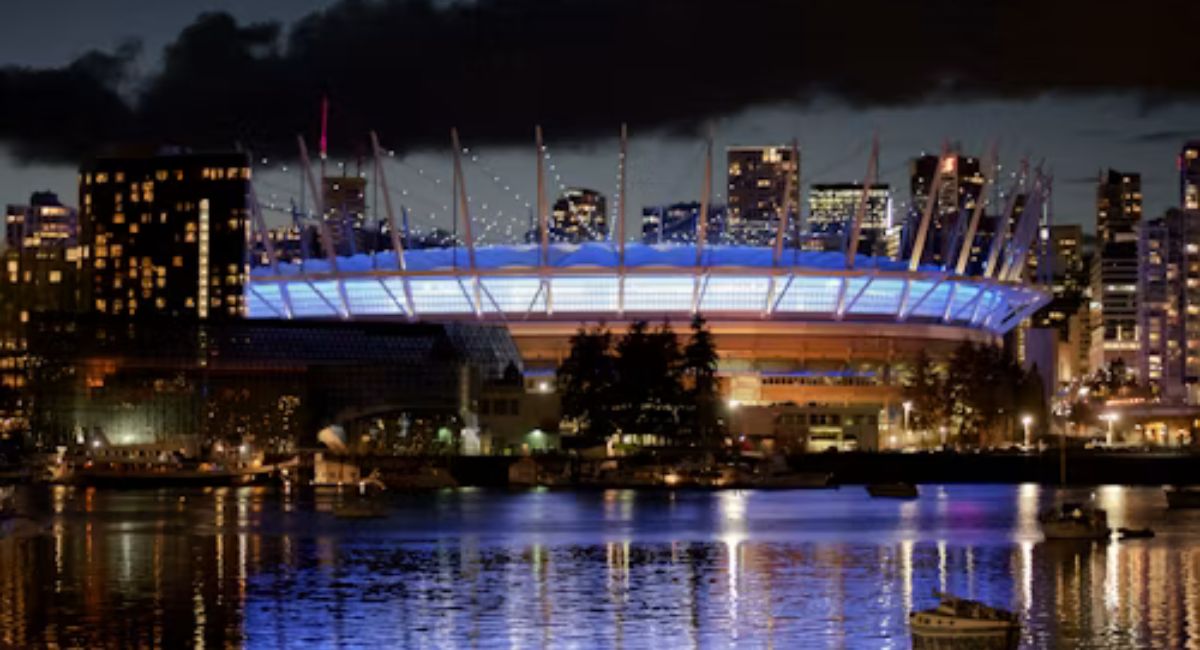
The excitement is clear. Vancouver will welcome global football fans, international media, players, and tourists during a historic summer for Canadian soccer. BC Place will host major matches, while public events and fan celebrations are expected to bring energy across the city.
But the cleanup also raises questions. Some residents see the changes as a proud moment for Vancouver. Others worry about costs, public disruption, homelessness, security rules, and whether the city is being cleaned for visitors while deeper local issues remain unresolved.
Why Vancouver Is Cleaning Up Before The World Cup
The Vancouver World Cup Cleanup is not just about making streets look better. It is part of a larger effort to prepare the city for heavy foot traffic, high security needs, international attention, and a packed event calendar.
World Cup host cities must manage more than stadiums. They need safe pedestrian routes, clear signage, clean public areas, reliable transit, crowd control, waste management, and strong communication for residents and visitors.
For Vancouver, this means extra attention around BC Place, downtown corridors, transit hubs, tourist areas, and the FIFA Fan Festival location at Hastings Park. The city is expected to look more organized, more welcoming, and easier to navigate during the tournament.
This kind of preparation can create a positive first impression. For many visitors, FIFA World Cup 2026 may be their first time in Vancouver. Clean streets, improved wayfinding, and well-managed public spaces can help the city present itself as a world-class destination.
BC Place Upgrades Add To The Transformation
A major part of Vancouver’s World Cup preparation is happening at BC Place. The stadium has been upgraded to meet tournament standards and improve the fan experience.
The improvements include better accessibility, upgraded technology, new hospitality areas, and a hybrid grass pitch. These changes are designed not only for FIFA World Cup 2026 but also for future concerts, sporting events, and major gatherings.
That long-term value is important. If the upgrades help Vancouver attract more international events after the World Cup, the investment may continue to benefit the city for years. Supporters argue that this is not just a short-term makeover but a legacy project.
However, critics may still ask whether the money could have been spent on housing, transit, public safety, or social services. That is why the cleanup and upgrade story has both positive and negative sides.
Transit And Crowd Management Become A Major Focus
The Vancouver World Cup Cleanup also includes planning for how people will move through the city. During major match days, thousands of fans will travel between hotels, restaurants, transit stations, BC Place, and the Fan Festival.
Transit will play a major role. Extra bus trips, better directions, and expanded service are expected to help reduce pressure on roads. Walking, biking, and public transit will likely be promoted as the easiest ways to move around during the tournament.
Still, residents should expect busier streets, crowded stations, road restrictions, and longer travel times in some areas. For visitors, the experience may feel exciting. For locals trying to get to work or move through downtown, it could feel stressful.
This is where good communication matters. Clear maps, real-time transit updates, signs, and early public notices can help reduce frustration. A successful Vancouver World Cup Cleanup will not only make the city look better but also help people move safely and smoothly.
Public Space Rules Raise Support And Concern
Temporary event rules are another part of Vancouver’s World Cup preparation. These rules are meant to help the city manage safety, commercial activity, signage, and public space during the tournament period.
Supporters say this is necessary. A World Cup brings large crowds and international visibility, so the city must prevent confusion, unauthorized activity, overcrowding, and safety risks.
But concerns remain. Some residents and advocates worry that cleanup efforts could affect vulnerable people, especially those living in public spaces. When cities prepare for global events, there is often criticism that visible poverty is moved out of sight instead of being addressed with real support.
For Vancouver, this is a sensitive issue. A clean and welcoming city should not come at the cost of ignoring homelessness, housing insecurity, or community needs. The strongest version of the Vancouver World Cup Cleanup would combine public safety with dignity, support services, and respect for residents.
Businesses Could Benefit From A Cleaner, Busier City
Local businesses may be among the biggest winners from the World Cup. Restaurants, hotels, shops, tour operators, bars, and entertainment venues could see a surge in customers during the tournament.
A cleaner and better-organized city can encourage visitors to stay longer, explore more neighbourhoods, and spend more money. Public celebrations, cultural events, and fan activities may also bring attention to local artists, food vendors, and community groups.
For small businesses, the key will be preparation. Extended hours, staffing plans, multilingual signs, clear pricing, and strong social media promotion could help them reach World Cup visitors.
However, the opportunity will not be equal for everyone. Businesses near official routes and event zones may benefit more than others. Some smaller operators may also face restrictions linked to branding, sponsorship, or temporary rules around major tournament sites.
Waste Management And Sustainability Matter
A major event also creates major waste. Food packaging, drink containers, signs, temporary materials, and large crowds can quickly put pressure on public cleanup teams.
That is why waste management must be central to the Vancouver World Cup Cleanup. Recycling, composting, clear bins, reusable materials where allowed, and frequent cleanup around fan areas will help the city maintain its environmental image.
Vancouver has long promoted itself as a green and sustainable city. FIFA World Cup 2026 gives it a chance to prove that major events can be managed responsibly. If cleanup teams, organizers, vendors, and fans work together, the city can reduce waste while still delivering a strong celebration.
Vancouver’s Image Is On The Line
The World Cup will put Vancouver in front of a global audience. Broadcasts, travel videos, social media posts, and fan experiences will shape how people remember the city.
That makes the cleanup effort more than a local project. It is part of Vancouver’s international branding. The city wants to be seen as beautiful, safe, welcoming, modern, and prepared.
The natural scenery already gives Vancouver a major advantage. Mountains, water, parks, and skyline views make it one of the most visually striking host cities. The cleanup effort is about making sure the urban experience matches that beauty.
Also Read About: Toronto World Cup Venue Expansion Raises Excitement And Capacity Concerns