
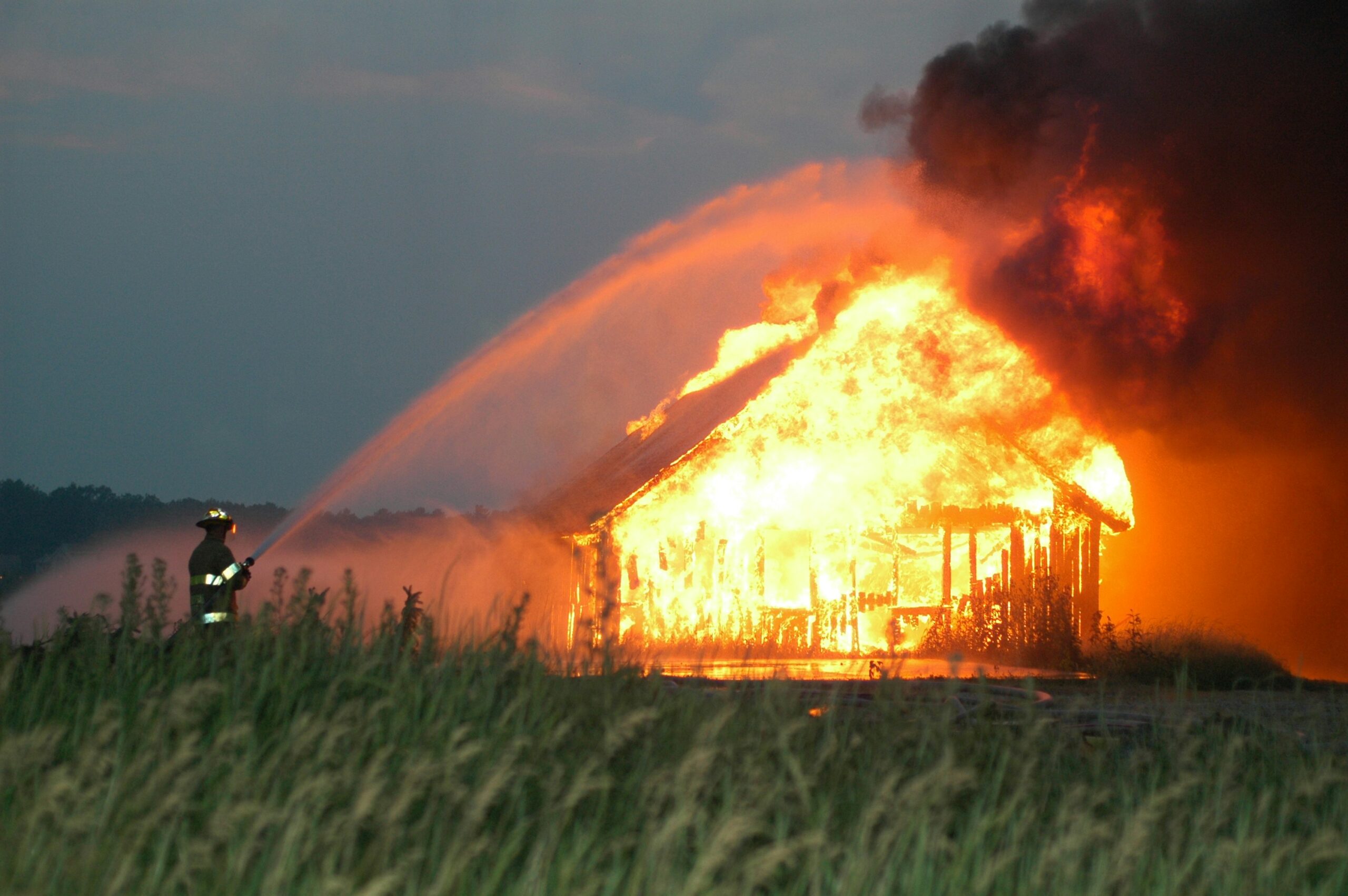
Rural Ottawa Barn Fire Raises Concern Near Franktown Road
A rural Ottawa barn fire sparked concern after emergency crews responded to a working fire near Franktown Road and Dwyer Hill Road. The incident drew attention because barn fires can spread quickly in agricultural areas, especially when structures contain hay, equipment, wood framing, or nearby livestock areas.
According to local reporting, no injuries were reported and no livestock were lost following the barn fire in rural Ottawa. CTV Ottawa listed the story on May 26, 2026, at 6:42 p.m. EDT, under the headline confirming that no injuries or livestock losses followed the incident.
Emergency Crews Respond to Serious Farm Fire
Early reports from Ottawa-area emergency updates said crews were called to the 8400 block of Franktown Road near Dwyer Hill Road for a working fire. The location places the incident in a rural farming area, where access, water supply, and property layout can make firefighting more difficult than in dense urban neighbourhoods.
The most important outcome was that people and animals were reported safe. Barn fires often carry added concern because livestock may be inside nearby structures or difficult to move once smoke and flames spread. In this case, available reports indicated there was no reported livestock loss.
Why Barn Fires Are Especially Dangerous
A rural Ottawa barn fire can become dangerous very quickly because farm buildings often contain highly combustible materials. Hay, straw, bedding, wooden framing, machinery fuel, electrical equipment, and stored tools can all increase the speed and intensity of a fire.
Farm safety guidance notes that barns and farm buildings are vulnerable to fast-moving fires because they may be well ventilated and often contain wood, hay, straw, and grain as fuel sources.
That is why even a fire with no injuries is still treated as serious. Firefighters must not only control the flames but also protect nearby buildings, animals, equipment, and anyone living or working on the property.
No Livestock Loss Brings Relief to Rural Community
The report that no livestock were lost is a major relief for the farm owner and the wider rural community. For farmers, animals are not just property; they are part of daily life, livelihood, and long-term business operations.
Barn fires can cause emotional and financial stress even when everyone survives. Equipment damage, structural repairs, insurance claims, cleanup, and disruption to farm operations can continue long after the flames are out.
In this incident, the absence of injuries and livestock deaths gives the story a safer ending, but it also serves as a reminder of how quickly rural emergencies can develop.
Fire Safety Lessons for Farmers and Rural Property Owners
The rural Ottawa barn fire also highlights the importance of farm fire prevention. Fire safety experts recommend keeping hay, straw, and bedding away from electrical or heat sources whenever possible. Rutgers Equine Science Center notes that hay, straw, and bedding should not be stored in the same building as livestock when avoidable, and should be kept away from machinery, electrical equipment, and heat sources.
Farm owners are also encouraged to keep barns clean and organized. Loose hay, straw, dust, cobwebs, and clutter can all add fuel to a fire. The Municipality of Lakeshore advises farmers to practise good housekeeping, sweep up loose hay and straw, and maintain clear safety rules on farm properties.
Electrical safety is another major factor. Barn wiring, outlets, heaters, fans, and extension cords should be inspected regularly because moisture, dust, rodents, and heavy farm use can create hazards over time.
Rural Fire Response Can Be More Challenging
Fire response in rural areas can be complicated by distance, road access, and water supply. Unlike urban areas with nearby hydrants, rural firefighters may need to shuttle water using tanker trucks or rely on ponds, wells, or other water sources.
This makes early reporting especially important. Anyone who sees smoke, flames, or unusual heat around a barn should call emergency services immediately rather than trying to control a growing fire alone.
Also Read About: Tim Hortons Faces Pressure as It Reduces Reliance on Temporary Foreign Workers