
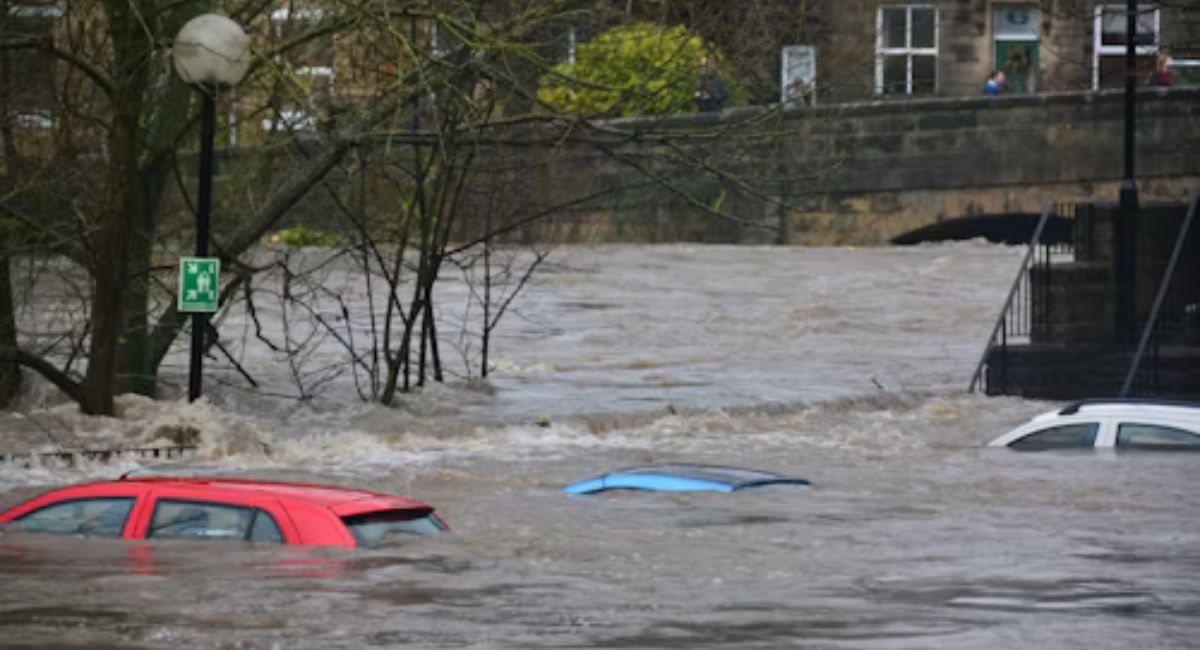
Severe Afghanistan flash floods have devastated communities in the eastern province of Nuristan, killing at least 20 people, injuring around 80 and leaving more than 100 missing. Subsequent reports raised the confirmed death toll to 23 as emergency teams continued searching through collapsed buildings and flood debris.
The flooding struck Parun, the provincial capital, and several surrounding areas after intense rainfall caused water to rush through mountainous settlements. Homes, agricultural land and public infrastructure were damaged, while some buildings were reportedly swept away or reduced to rubble.
Authorities have warned that the number of fatalities could continue to rise because many people remain unaccounted for. Rescue work is taking place under difficult conditions in a remote province where damaged roads, unstable ground and further rainfall may restrict access.
Afghanistan Flash Floods Devastate Nuristan
The latest Afghanistan flash floods caused the most serious damage in Parun and nearby communities in Nuristan province.
Afghanistan’s National Disaster Management Authority said the flooding resulted in extensive loss of life and property. Initial figures showed at least 20 people dead, approximately 80 injured and more than 100 missing. Rescue crews later confirmed that the death toll had increased to at least 23.
The floods struck on Monday, July 20, following heavy rainfall in the mountainous region. Fast-moving water entered residential areas, destroyed homes and damaged farmland, roads and public facilities.
Nuristan’s steep terrain can make communities especially vulnerable to sudden flooding. Rainwater can move rapidly down mountain slopes and through narrow valleys, giving residents little time to escape.
Many rural homes in Afghanistan are constructed from mud, stone and other locally available materials. These structures may collapse quickly when exposed to powerful floodwater or when the surrounding ground becomes saturated.
Authorities urged residents to stay away from riverbanks, low-lying locations and other flood-prone zones while emergency operations continued.
Read this also: Trump Vows Iran Will Pay “Many Times Over” After U.S. Soldiers Killed
Search Continues for More Than 100 Missing
Search-and-rescue teams are working to locate more than 100 people still reported missing after the disaster.
Emergency personnel have been searching damaged buildings, mud-covered streets and piles of debris for survivors. They are also recovering the bodies of victims as access to affected communities improves.
The large number of missing people has created fears that the final death toll could be considerably higher. Officials have cautioned that the available figures remain preliminary because information is still arriving from isolated areas.
Communication problems are common during natural disasters in remote Afghan provinces. Flooding can damage mobile networks, electricity systems and roads, making it difficult for officials to assess every village immediately.
Families may also report relatives missing before authorities can confirm whether they escaped to neighbouring communities or reached temporary shelters.
Rescue operations could become more challenging if additional storms affect the region. Weather forecasts warned of thunderstorms, strong winds and possible flash floods across 10 of Afghanistan’s 34 provinces.
Emergency authorities have therefore encouraged people living in vulnerable locations to remain alert and follow local safety instructions.
Homes, Farms and Infrastructure Suffer Major Damage
Beyond the human casualties, the Afghanistan flash floods have caused extensive damage to homes, farmland and public infrastructure.
Floodwater reportedly destroyed or damaged residential buildings in Parun and surrounding districts. Roads and bridges may also have been affected, limiting the movement of ambulances, rescue equipment and humanitarian supplies.
Agricultural land was among the areas damaged by the floods. Farming remains an essential source of food and income for many Afghan households, particularly in rural provinces.
The destruction of crops, irrigation channels and livestock can create lasting economic consequences even after the water recedes. Families that lose both their homes and their agricultural income may require support for several months.
Damage to schools, health centres and other public facilities can further slow recovery. Medical services in remote areas often operate with limited staff and supplies under normal conditions, making a sudden increase in injured patients difficult to manage.
Authorities have not yet published a complete assessment of the number of homes destroyed or the total financial cost. Those figures are expected to become clearer after teams reach more affected communities.
Why Afghanistan Is Highly Vulnerable to Flooding
Afghanistan regularly experiences flash floods caused by heavy rain, melting snow and thunderstorms. Its mountainous landscape allows water to gather and descend rapidly into populated valleys.
Decades of conflict have weakened roads, drainage systems, emergency services and other infrastructure that could reduce the effects of natural disasters.
Poverty is another major factor. Many families live in homes that cannot withstand severe floods, earthquakes or landslides. Some communities are located near rivers or unstable slopes because safer land is unavailable or unaffordable.
Deforestation and environmental degradation can also increase flood risk. Trees and vegetation normally help absorb rainfall and stabilize soil. When vegetation is removed, water can flow more quickly across the surface and carry soil, rocks and debris into settlements.
Climate change is contributing to increasingly unpredictable weather patterns, including periods of drought followed by intense rainfall. Afghanistan produces a relatively small share of global greenhouse-gas emissions but remains among the countries least prepared to manage climate-related disasters.
These combined conditions mean that even localized storms can produce significant casualties and widespread destruction.
Recent Disasters Highlight a Continuing Crisis
The latest Afghanistan flash floods follow several other deadly weather emergencies in the country.
Since late March 2026, heavy rain, floods, earthquakes and landslides had already killed 148 people and injured more than 200 by early April. Homes, farmland and transportation routes were damaged across multiple provinces.
Earlier flooding and extreme weather also affected hundreds of families, placing additional pressure on humanitarian organizations and government emergency services.
In 2024, major floods killed more than 300 people in Afghanistan and destroyed thousands of homes. Some of the worst destruction occurred in northern and central provinces, where entire communities were overwhelmed by sudden torrents of water.
Repeated disasters make recovery more difficult because families may lose crops, livestock or property several times before they can rebuild. Aid agencies must also divide limited funding between immediate emergency response and longer-term projects such as housing, irrigation and flood protection.
Afghanistan’s wider humanitarian crisis adds another layer of difficulty. Economic instability and reduced international assistance have weakened access to health care, food and other essential services.
Rescue and Relief Efforts Face Difficult Conditions
Emergency teams are concentrating on finding missing residents, treating injured people and delivering assistance to displaced families.
Immediate needs are likely to include safe drinking water, food, temporary shelter, medical supplies and blankets. Floodwater can contaminate wells and increase the risk of waterborne illnesses, particularly when sanitation facilities are damaged.
Authorities will also need to clear roads and assess whether buildings remain safe. Families may be unable to return home if structures have unstable walls or foundations.
Humanitarian organizations often face logistical challenges when operating in mountainous provinces. Supplies may need to travel along narrow roads that are vulnerable to landslides or flooding.
The possibility of further bad weather remains a serious concern. Additional rainfall could trigger new flooding, move existing debris or force rescue workers to suspend operations.
Officials have asked residents to avoid dangerous areas rather than gathering near damaged buildings or waterways. Public cooperation can reduce the risk of additional injuries while rescue teams continue their work.
The full impact of the disaster will not be known until all missing people are located and damage assessments are completed.