
Ontario School Heat Safety Bill Targets Hot Classrooms
An Ontario school heat safety bill introduced by Ottawa West–Nepean MPP Chandra Pasma is putting renewed pressure on the province to address overheated classrooms and school buses before summer temperatures intensify.
Pasma, the Ontario NDP’s education critic, is tabling the Fighting Extreme Heat in Schools Act, a private member’s bill aimed at creating enforceable maximum temperature standards in schools and on school buses. The bill would also require heat mitigation planning and emergency protocols during extreme heat events.
What the Heat Safety Bill Would Do
The proposed legislation would set a maximum temperature for Ontario schools and school buses. A local report said the NDP proposal would declare schools and school buses unsafe once temperatures reach 26°C, while also requiring school boards to create strategies for cooling and adapting school properties.
The bill is not only about air conditioning. It also points to broader infrastructure upgrades, including heat pumps, green roofs, energy-efficient windows, misting stations, shade structures, and tree planting to reduce heat exposure around schools.
Why Ontario Classroom Heat Has Become a Bigger Issue
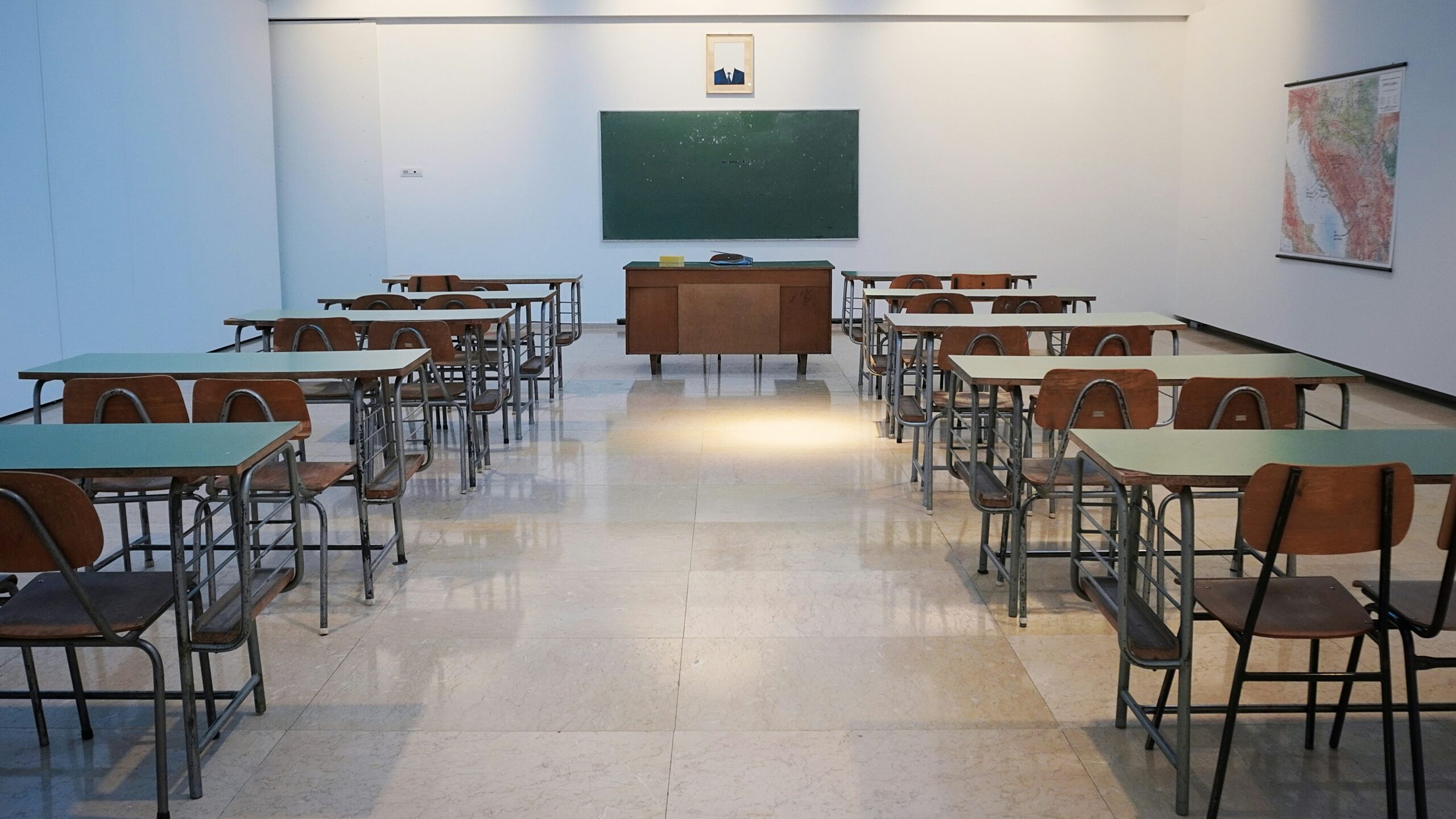
Hot classrooms have become a growing concern as many older school buildings were not designed for the level of heat now being experienced during the school year. In 2025, Pasma called for a province-wide heat strategy and warned that some classrooms were reaching more than 30°C, making it harder for students to learn and teachers to teach.
Supporters of the Ontario school heat safety bill argue that extreme heat is no longer just an inconvenience. It can affect concentration, comfort, health, and safety, especially for younger children and students with medical or learning needs.
Student Health and Learning at the Centre of the Debate
Pasma has argued that children are especially vulnerable to high temperatures because they may not regulate body temperature the same way adults do and may not recognize or explain the signs of heat stress. She also said prolonged exposure to heat can worsen conditions such as asthma, heart problems, and kidney issues.
Research on school overheating has also highlighted the need to consider the specific physical and psychological needs of children when setting overheating limits in educational buildings. A 2024 study on Canadian school buildings found that overheating risk depends on climate, building design, and the vulnerability of occupants.
Ontario Has Cold Rules, but Heat Rules Remain a Gap
One major argument behind the bill is that Ontario has clearer rules around cold conditions than extreme heat in schools. Pasma said there are guidelines for cold weather and minimum temperatures before schools are considered unsafe, but no similar requirement for extreme indoor heat.
The Canadian Centre for Occupational Health and Safety notes that where temperature is not specifically regulated, employers still have a general duty to protect worker health and safety. For Ontario, CCOHS lists heat stress guidance tied to Threshold Limit Values designed to prevent workers’ core body temperature from rising above 38°C.
Why School Buses Are Included
The proposed legislation also includes school buses, not just classrooms. That matters because buses can become uncomfortable or unsafe during hot weather, especially for younger students, children with disabilities, and students who spend long periods in transit.
If passed, the bill could push school boards and transportation providers to develop clearer heat response plans for both learning spaces and transportation routes.
Political Pressure Grows Over School Infrastructure
The Ontario school heat safety bill also raises a larger question about school infrastructure funding. Many schools need upgrades for ventilation, insulation, windows, cooling systems, and outdoor shade. The NDP says the bill would address infrastructure gaps and protect students and education workers during extreme heat events.
Because this is a private member’s bill, its future will depend on legislative support. Even if it does not become law quickly, the proposal could increase public pressure on the Ontario government to respond before more classrooms face unsafe heat conditions.
What Parents and Teachers Are Watching
Parents, teachers, and education workers will likely watch for three key outcomes: whether the province accepts a maximum indoor temperature standard, whether school boards receive funding for cooling upgrades, and whether emergency protocols become consistent across Ontario.
Without a province-wide standard, families may continue to see different responses depending on the age of the school, local board resources, and available cooling systems.
Also Read About: Homeless Family in Ottawa Finds Temporary Shelter Deep in the Forest