
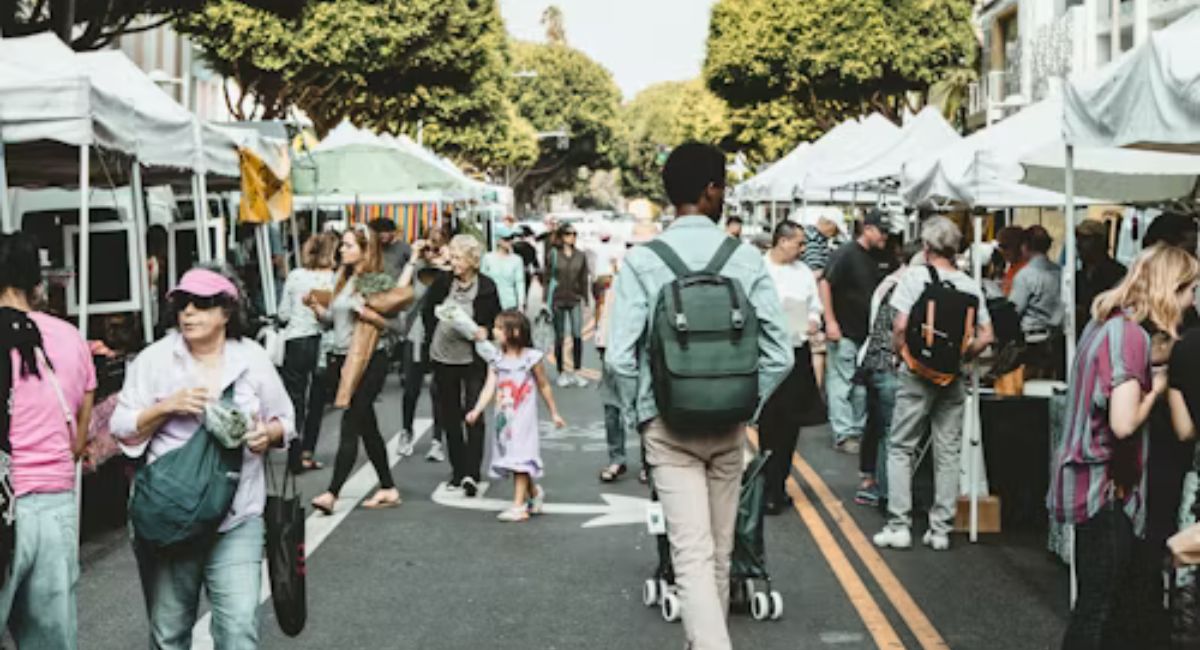
The ByWard Market Vendor Village is still working to find its audience as Ottawa’s historic retail district remains busy with shoppers, tourists, restaurants, and established businesses. The new vendor-focused initiative was introduced to bring more local makers, food sellers, artisans, and small businesses into one of the city’s most recognizable commercial areas.
Located in the heart of the ByWard Market, the Vendor Village is part of a wider effort to refresh the public market experience, support local entrepreneurs, and bring more energy to downtown Ottawa. However, early reports suggest that while the district itself remains active, some vendors are still waiting for more consistent foot traffic and stronger customer awareness.
ByWard Market Vendor Village Looks to Build Momentum
The ByWard Market Vendor Village was designed to give local vendors a visible place to sell products in a high-profile retail district. According to the ByWard Market District Authority, the initiative includes vendors offering fresh produce, baked goods, flowers, specialty items, giftware, gourmet foods, artisan crafts, and other local products.
The concept is simple: create a more inviting outdoor market experience while helping small vendors benefit from the Market’s existing visitor base. In theory, the location should be a strong advantage. ByWard Market is already known for restaurants, shops, nightlife, tourism, public spaces, and seasonal outdoor vendors.
But visibility remains a key challenge. A busy district does not automatically guarantee that shoppers will find a new vendor area, understand what it offers, or make it part of their regular route.
Vendors Need More Shopper Awareness
One of the biggest challenges for any new retail concept is building awareness. Even in a well-known district like ByWard Market, shoppers may follow familiar paths, visit their usual restaurants, or walk past new vendor areas without realizing what is available.
Capital Current reported that the new Vendor Village is meant to bring more local makers into the retail district, but some vendors say early success depends on whether shoppers can find it.
That means signage, promotion, placement, social media visibility, and word-of-mouth will be important. If visitors do not know the Vendor Village exists, they are less likely to stop, browse, or buy. For small vendors, even a slight increase in foot traffic can make a meaningful difference.
A Busy District With Strong Competition
ByWard Market is one of Ottawa’s busiest and most recognizable destinations. It attracts locals, tourists, students, office workers, nightlife crowds, and weekend visitors. Ottawa Tourism describes the neighbourhood as a place known for local artisanal products, jewellery, artwork, home décor, gourmet food stores, spice shops, indoor vendors, and an outdoor farmers’ market from May to October.
That activity is a strength, but it also creates competition. The Vendor Village must compete for attention with restaurants, patios, cafés, souvenir shops, boutiques, entertainment venues, and long-standing market stalls.
For visitors who come to the Market for a meal or a specific shop, the challenge is encouraging them to slow down and explore the vendor area. For vendors, the goal is not only to attract tourists but also to build repeat visits from Ottawa residents.
Part of a Larger Revitalization Push
The Vendor Village is not just a small retail experiment. It fits into a larger plan to keep ByWard Market active and relevant as downtown Ottawa continues to evolve. Retail Insider reported that the initiative launched near the former Hudson’s Bay site and is part of a broader effort to boost foot traffic and support local businesses.
The closure of the former Hudson’s Bay store created both a challenge and an opportunity for the area. Large vacant retail spaces can reduce street-level activity, but they can also open the door to new public-realm ideas, pop-up retail, arts programming, and community-focused events.
The Vendor Village gives the district a chance to show that public spaces can be used creatively to support local business and improve the visitor experience.
What Shoppers Can Expect
Visitors to the ByWard Market Vendor Village can expect a local shopping experience rather than a standard mall-style retail setup. The mix may include artisan products, flowers, food items, crafts, specialty goods, and seasonal offerings.
The ByWard Market District Authority says Vendor Village and outdoor public market hours are listed as Wednesday to Sunday, 11 a.m. to 7 p.m.
That schedule gives the initiative a chance to capture both daytime shoppers and early evening visitors. However, success may depend on whether the hours align with peak pedestrian traffic and whether visitors are encouraged to explore the area during lunch, after work, and on weekends.
Why Local Vendors Matter
Local vendors are an important part of the identity of ByWard Market. They bring personality, direct customer interaction, handmade products, fresh goods, and a sense of discovery that larger retail chains often cannot match.
For small businesses, a vendor space can be a stepping stone. It allows entrepreneurs to test products, meet customers, build a brand, and grow without the cost of a full storefront. For shoppers, it creates a more personal experience and gives them a chance to support Ottawa-area makers.
A stronger Vendor Village could also help surrounding businesses. When more people stop, browse, and linger, nearby cafés, restaurants, shops, and services may also benefit.
Challenges Facing the Vendor Village
The biggest challenge is converting general district traffic into vendor traffic. People may be walking through ByWard Market, but not all of them are looking to shop. Some are heading to restaurants, nightlife venues, offices, hotels, transit stops, or nearby attractions.
Weather is another factor. Outdoor vendor areas can be affected by rain, heat, wind, and seasonal changes. Strong programming and promotion can help, but outdoor retail always depends partly on conditions.
There is also the issue of perception. Some residents may still associate ByWard Market mainly with nightlife or restaurants rather than daytime shopping. The Vendor Village will need to help reshape that image by showing that the district remains a strong place for local retail, food, and community activity.
How the Vendor Village Could Attract More Visitors
To grow its audience, the Vendor Village may benefit from clearer signage, stronger social media promotion, regular vendor spotlights, weekend events, live entertainment, food sampling, seasonal themes, and partnerships with nearby businesses.
Simple changes can matter. Directional signs, maps, colourful displays, and visible entrances can help visitors understand where to go. Digital promotion can also help residents plan a visit instead of discovering the village by accident.
Events tied to holidays, summer weekends, tourism campaigns, and Ottawa’s downtown revitalization efforts could also help bring more attention to the area.
Also Read About: 75 Vehicles Gather at Illegal Car Meet After Online Promotion