
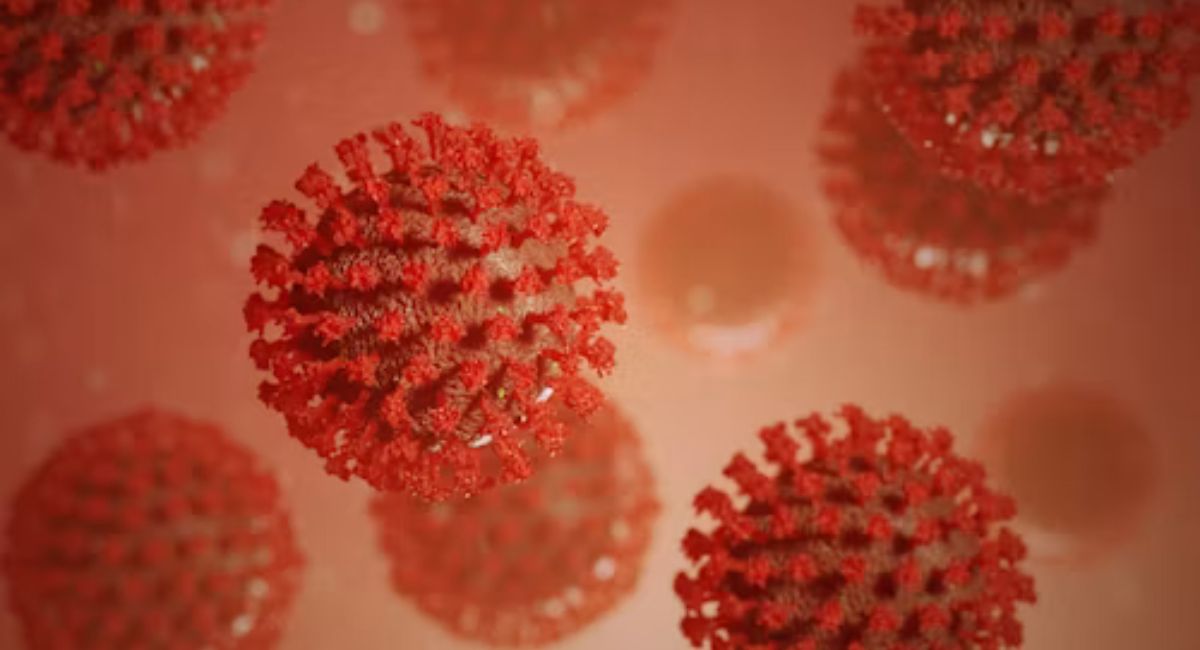
A growing Ebola outbreak in Central Africa is raising global concern as health officials race to contain the spread of the virus in the Democratic Republic of the Congo and Uganda. The World Health Organization has described the situation as very complex, but WHO Director-General Tedros Adhanom Ghebreyesus says the outbreak can still be stopped if the response is strong, coordinated, and properly supported.
The outbreak involves the Bundibugyo strain of Ebola, a serious viral disease that can cause severe illness and death. Health authorities are working to expand testing, isolate cases, trace contacts, protect health workers, and support communities affected by the outbreak. However, delayed detection, insecurity, displacement, limited resources, and public distrust are making the response difficult.
Ebola Outbreak Declared a Global Health Emergency
The World Health Organization declared the Ebola outbreak in the Democratic Republic of the Congo and Uganda a Public Health Emergency of International Concern on May 17, 2026. This type of declaration is used when an outbreak poses a serious risk beyond national borders and requires an international response.
The outbreak has become especially concerning because of its location in eastern Congo, where conflict, displacement, and limited access to health services can make disease control much harder. When people are forced to move because of violence or insecurity, health teams may struggle to identify cases, monitor contacts, and provide timely treatment.
Uganda has also reported confirmed cases, increasing concern about cross-border spread. Health officials are now focused on preventing wider regional transmission while supporting affected communities.
WHO Chief Says the Outbreak Can Be Stopped
WHO chief Tedros Adhanom Ghebreyesus has said the outbreak is “very complex,” but he also stressed that it “can be stopped.” His message reflects both the seriousness of the crisis and the belief that proven public health tools can still control the spread.
Stopping Ebola requires early detection, rapid isolation, safe care, contact tracing, infection prevention, community trust, safe burials, and strong coordination between local and international health teams. These measures have been used in previous Ebola outbreaks, but they are harder to apply in areas affected by conflict or mistrust.
The WHO chief’s statement is important because it avoids panic while still warning that urgent action is needed. The outbreak is not beyond control, but delays, funding gaps, and insecurity could allow it to grow.
Why This Ebola Outbreak Is So Complex
Several factors are making this Ebola outbreak difficult to contain. The affected region includes areas where health workers may face security threats, damaged infrastructure, and limited access to some communities. In conflict-affected zones, treatment centres and health facilities may also be harder to operate safely.
Delayed detection is another major concern. If Ebola spreads quietly for weeks before enough cases are confirmed, health teams must trace more contacts and respond across a wider area. That can overwhelm local systems.
Public distrust can also slow the response. In past outbreaks, fear and misinformation have sometimes led people to avoid health facilities, hide symptoms, or resist contact tracing. Building trust with local leaders and communities is essential.
The strain involved, Bundibugyo virus, adds another challenge because there is no widely approved vaccine or treatment specifically for this strain. Supportive care, early diagnosis, infection control, and research into possible medical tools remain critical.
What Is Ebola and How Does It Spread?
Ebola is a severe viral disease that spreads through direct contact with the blood or body fluids of an infected person, or with contaminated materials such as bedding, clothing, or medical equipment. It does not spread like a common cold through casual airborne transmission.
Symptoms can include fever, weakness, muscle pain, headache, sore throat, vomiting, diarrhea, rash, and, in some cases, bleeding. Because early symptoms can look like other diseases, testing is important to confirm infection.
People are most infectious when symptoms are present. That is why quick identification and isolation of suspected cases are key parts of outbreak control.
Global Concern Grows as Cases Rise
The rising number of suspected cases and deaths has increased international attention. Health agencies, governments, and humanitarian groups are now watching the outbreak closely because Ebola can spread quickly when health systems are under pressure.
The situation also matters globally because infectious disease outbreaks do not respect borders. Travel, trade, displacement, and regional movement can increase the risk of wider spread if cases are not detected early.
However, health officials generally discourage broad panic or blanket travel bans. Instead, they emphasize targeted screening, strong surveillance, safe patient care, laboratory testing, and support for affected countries.
Health Workers Face Serious Risks
Health workers are often on the front line of Ebola outbreaks, and they face significant risks while caring for patients. Infection prevention measures are essential, including protective equipment, safe handling of medical waste, proper isolation procedures, and training.
In areas with limited supplies or security concerns, protecting health workers becomes even harder. If doctors, nurses, laboratory staff, and outreach teams are not protected, the outbreak response can weaken quickly.
Support for health workers is not only a medical need; it is also a public health priority. Without trained and protected teams, testing, treatment, contact tracing, and community education become much harder.
Funding and Resources Are Critical
Containing an Ebola outbreak requires money, supplies, trained staff, laboratories, transportation, treatment centres, protective equipment, and community outreach. Funding gaps can slow every part of the response.
International support is especially important when an outbreak occurs in a region already affected by conflict, poverty, displacement, or weak health infrastructure. Rapid financing can help health teams reach affected areas, expand testing, and support local hospitals before the outbreak spreads further.
The longer funding is delayed, the more expensive and dangerous the outbreak can become.
Community Trust Will Be Key
One of the most important parts of stopping Ebola is community trust. People need to believe that health workers are there to help, not harm. They need clear information about symptoms, testing, isolation, treatment, and safe care.
Local leaders, religious figures, community groups, and survivors can play a major role in improving trust. When communities understand how Ebola spreads and why certain precautions are necessary, they are more likely to report symptoms early and cooperate with health teams.
Misinformation can be deadly during an outbreak. Clear communication must be repeated often and delivered in local languages through trusted voices.
Can the Ebola Outbreak Be Controlled?
Yes, health experts believe the outbreak can be controlled, but only if the response remains urgent and coordinated. Ebola outbreaks have been stopped before using strong surveillance, isolation, contact tracing, infection prevention, safe burials, and public education.
The challenge now is applying those tools in a complex setting. The outbreak is serious, but it is not hopeless. The WHO chief’s message is clear: the situation is dangerous, but with the right support, it can be stopped.
Also Read About: Stanley Cup Champion Claude Lemieux Remembered After Death at Age 60