
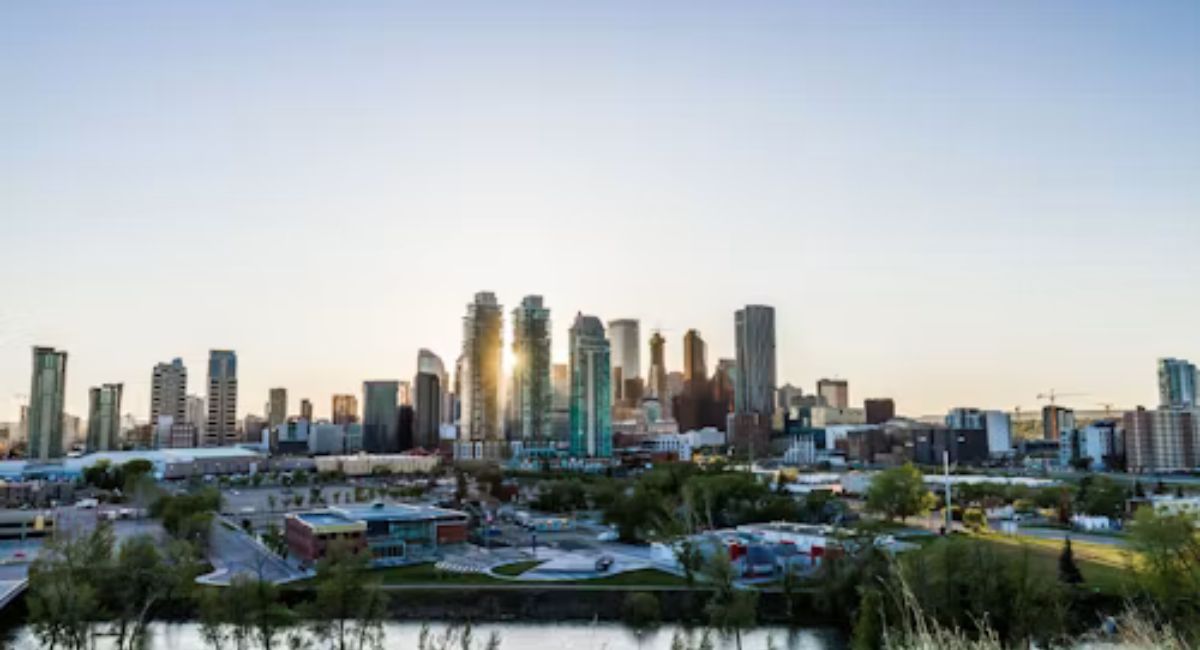
The separation debate is becoming one of Alberta’s most divisive political issues as thousands of people rally across the province, warning that talk of independence is distracting from urgent concerns such as affordability, health care, education, jobs and public services.
The demonstrations reflect growing frustration among Albertans who say the province should be focused on everyday issues rather than a politically explosive debate over whether Alberta should remain in Canada. While some supporters of separation argue the discussion gives Alberta leverage with Ottawa, critics say it risks creating uncertainty at a time when families, workers and communities need practical solutions.
The rallies show that many residents are not only concerned about the future of Confederation, but also about what may be getting pushed aside while the separation debate dominates headlines.
Separation Debate Takes Centre Stage in Alberta
The separation debate has gained new attention after Alberta’s government moved toward a referendum process that could ask residents whether the province should remain in Canada or begin steps toward a future binding vote on independence.
That political shift has turned Alberta into the centre of a national unity discussion. It has also drawn criticism from federal leaders, Indigenous leaders, labour groups, political analysts and residents who worry about the possible consequences.
Prime Minister Mark Carney recently warned that a separation vote could become a “dangerous bluff,” arguing that referendums framed as low-risk can create serious and unexpected divisions. His comments added national weight to a debate that many Albertans say is already consuming too much public attention.
Thousands Rally Across Alberta
The province-wide rallies brought together labour groups, community members, public-sector workers and concerned citizens. The Alberta Federation of Labour said thousands were expected to take part in 20 actions across Alberta, turning the protest into a broad public statement.
For many participants, the message was not only about opposing separation. It was also about demanding attention for issues they believe affect people more directly.
Residents have raised concerns about health-care access, classroom pressures, cost of living, wages, housing, public services and worker rights. Protesters argue those topics should not be overshadowed by a political fight over independence.
The rallies also showed that public frustration is not limited to one city. Demonstrations across different communities suggest the debate is affecting conversations provincewide.
Why Some Albertans Say Other Issues Are Being Ignored
Many residents believe the separation debate is taking oxygen away from problems that need immediate action. Families are dealing with rising costs. Patients are worried about health-care delays. Teachers and parents are concerned about classroom resources. Workers are focused on wages, benefits and job security.
When political attention shifts toward separation, critics argue that these bread-and-butter issues can become secondary. They say the province needs detailed plans on public services, affordability and infrastructure, not more uncertainty about its place in Canada.
This concern is especially strong among those who believe a separation debate could scare off investment, divide communities and make long-term planning harder.
Supporters See Debate as a Way to Pressure Ottawa
Not everyone sees the debate negatively. Some Albertans who support the referendum discussion believe it gives the province a stronger voice in negotiations with Ottawa. They argue that Alberta has long been frustrated by federal policies affecting energy, emissions, taxation and economic development.
For these supporters, the separation debate is less about leaving Canada immediately and more about forcing national leaders to take Alberta’s concerns seriously.
However, critics respond that using separation as political pressure is risky. They say even a symbolic vote can create confusion, damage confidence and deepen regional divisions.
National Leaders Warn of Risk
The separation issue has moved beyond provincial politics. Federal leaders and other premiers have been asked repeatedly about Alberta’s direction, and the topic has overshadowed broader western Canadian discussions.
Reuters reported that Carney compared the risk to past referendums that were presented as political tools but later produced major consequences. He also emphasized that most Albertans, according to polling cited in the report, still favour remaining in Canada.
That polling matters because it suggests the loudest political debate may not reflect the majority view. Still, even a minority-driven separation movement can create serious uncertainty if it becomes a central political issue.
Indigenous Rights Add Another Major Challenge
Any separation discussion in Alberta would also face major legal and constitutional questions involving Indigenous rights and treaty relationships. Recent legal developments have already highlighted the importance of consultation with First Nations.
Reuters reported earlier this month that Alberta separatists faced a legal setback after a provincial court ruled in favour of a First Nations challenge involving consultation concerns. Indigenous leaders have argued that treaty rights and constitutional protections cannot be ignored in any discussion about Alberta’s future.
This makes the separation debate far more complex than a simple political question. It involves constitutional law, treaty obligations, land rights, federal-provincial relations and the future of Indigenous communities.
Positive and Negative Sentiment Around the Rallies
The positive side of the rallies is that thousands of Albertans are taking part in democratic expression. Public protests allow residents to speak openly, demand accountability and push leaders to focus on issues that matter to daily life.
The negative side is the level of division now visible across the province. Separation talk can create tension between neighbours, families and communities. It can also make Alberta appear politically unstable at a time when the economy needs confidence.
For many protesters, the concern is not only that separation may happen. It is that the debate itself may cause damage by shifting attention away from practical solutions.
What the Alberta Government Faces Next
Alberta’s government now faces pressure from multiple sides. Separatist voices want the province to push harder against Ottawa. Federalist voices want the government to stop feeding uncertainty. Public-sector workers and community groups want attention returned to health care, education, affordability and jobs.
This creates a difficult political balancing act. If the government moves too far into separation politics, it risks alienating residents who want stability. If it pulls back, it may anger voters who believe Alberta needs a more aggressive stance with the federal government.
The rallies show that public patience may be wearing thin.
Why This Debate Could Shape Alberta’s Future
The separation debate is not just a symbolic argument. It could shape investor confidence, public trust, federal-provincial negotiations and Alberta’s national reputation.
Even if Alberta does not separate, the process could influence political priorities for months or years. It may affect how leaders discuss energy, taxation, health care, Indigenous rights and economic development.
For residents, the key question is whether this debate leads to meaningful change or simply creates more conflict.
Also Read About: Off Course Guides Ottawa Creatives Through Career and Creative Doubt