
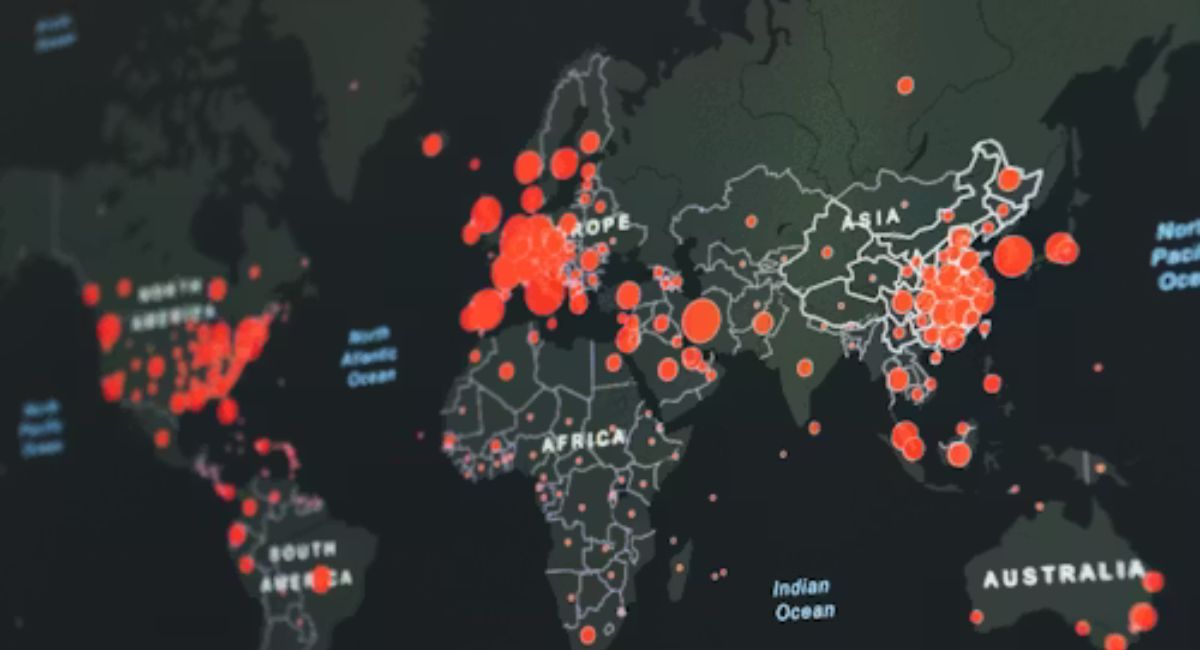
The DR Congo Ebola outbreak has triggered fresh global concern as the World Health Organization calls on countries to avoid panic-driven travel bans and focus instead on stronger cooperation, faster surveillance, and better support for affected communities.
WHO Director-General Tedros Adhanom Ghebreyesus has urged nations that imposed travel restrictions or closed borders in response to the Ebola crisis in the Democratic Republic of Congo and Uganda to reconsider those measures. His message is clear: fighting Ebola requires trust, openness, and coordinated public health action — not isolation.
The latest outbreak has placed eastern DR Congo under intense pressure, especially in areas already facing conflict, insecurity, weak health infrastructure, and limited access to medical supplies. As cases continue to raise concern, international health officials say the world must respond quickly but carefully.
Why WHO Opposes Travel Bans During The DR Congo Ebola Outbreak
Travel bans often appear to be a strong protective measure during a disease outbreak. For many governments, closing borders may seem like a quick way to reduce risk. But health experts warn that such restrictions can create serious problems during an Ebola emergency.
WHO argues that travel bans may discourage countries from reporting cases quickly. If affected regions fear economic punishment, border closures, or global isolation, they may delay sharing information. That delay can make an outbreak harder to contain.
Travel restrictions can also block the movement of health workers, medical supplies, laboratory teams, protective equipment, and humanitarian aid. In an Ebola outbreak, time is critical. Any delay in testing, tracing contacts, treating patients, or conducting safe burials can increase the risk of further spread.
This is why WHO is calling for open borders with strong public health screening, not uncontrolled movement. The goal is not to ignore the danger, but to manage it using science-based measures.
DR Congo Ebola Outbreak Creates Regional Health Alarm
The DR Congo Ebola outbreak is especially concerning because it is affecting communities in a region already dealing with major challenges. Eastern Congo has long faced conflict, population movement, fragile public services, and deep mistrust between some communities and authorities.
These conditions make outbreak control more difficult. Ebola response teams must not only treat patients but also build trust with families, local leaders, and communities. Safe burial practices, early reporting of symptoms, isolation of suspected cases, and contact tracing all depend on cooperation.
When people fear health teams or believe misinformation, they may avoid treatment centers or hide sick family members. That can allow the virus to spread quietly. WHO’s message highlights the importance of community-led response, where local voices are included in public health decisions.
Why Trust Matters In The Ebola Response
Ebola is not only a medical emergency. It is also a trust emergency.
People are more likely to seek treatment when they believe health workers are there to help them, not punish or control them. They are more likely to report symptoms when they know their families will be treated with dignity. They are more likely to accept safe burial rules when officials explain why those steps are necessary.
This is why WHO says border closures and travel bans may backfire. If people feel blamed, rejected, or isolated, they may become less willing to cooperate with health authorities.
A successful Ebola response depends on honest communication, fast testing, strong local partnerships, and respect for community concerns.
What Countries Should Do Instead Of Travel Bans
Instead of blanket travel bans, countries can take more effective steps to reduce risk while supporting the Ebola response.
Governments can strengthen airport and border health screening, issue travel advisories, prepare hospitals to identify possible cases, train health workers, and improve public awareness. They can also support affected countries with funding, laboratories, protective equipment, vaccines where available, and emergency medical teams.
Regional cooperation is also essential. Neighboring countries need shared surveillance systems, fast reporting channels, and coordinated border health measures. Ebola does not respect borders, which makes cooperation more important than isolation.
The strongest response is not closing the door on affected countries. It is helping them contain the outbreak at its source.
Humanitarian Support Becomes Urgent
The Ebola crisis in DR Congo is unfolding in an area where health systems are already stretched. Many communities need more treatment capacity, more trained staff, more protective equipment, and stronger public health communication.
Humanitarian groups have warned that outbreak response must move faster to match the scale of the threat. Delays can cost lives, especially when suspected cases are not tested quickly or when sick people cannot reach care in time.
International funding is also a major concern. Ebola containment requires money for treatment centers, contact tracing teams, transport, laboratory work, community engagement, and safe burial teams. Without enough resources, even the best public health plans can fall short.
Global Risk Needs A Balanced Response
The DR Congo Ebola outbreak is a serious health crisis, but fear-based policies can make the situation worse. Countries must protect their citizens, but they must also avoid actions that weaken the global response.
A balanced approach means using science, not panic. It means screening travelers, preparing hospitals, sharing information, and supporting affected communities. It also means avoiding measures that punish countries for reporting outbreaks honestly.
The world learned during past health emergencies that transparency saves lives. When countries report outbreaks early, the international community can act faster. But if reporting leads to travel bans and economic damage, governments may hesitate in future crises.
That is the warning behind WHO’s call.
Also Read About: China Points to Trade Gains as Canada Relations Show Stability