
Ottawa Parks Alcohol Rules Return For Summer
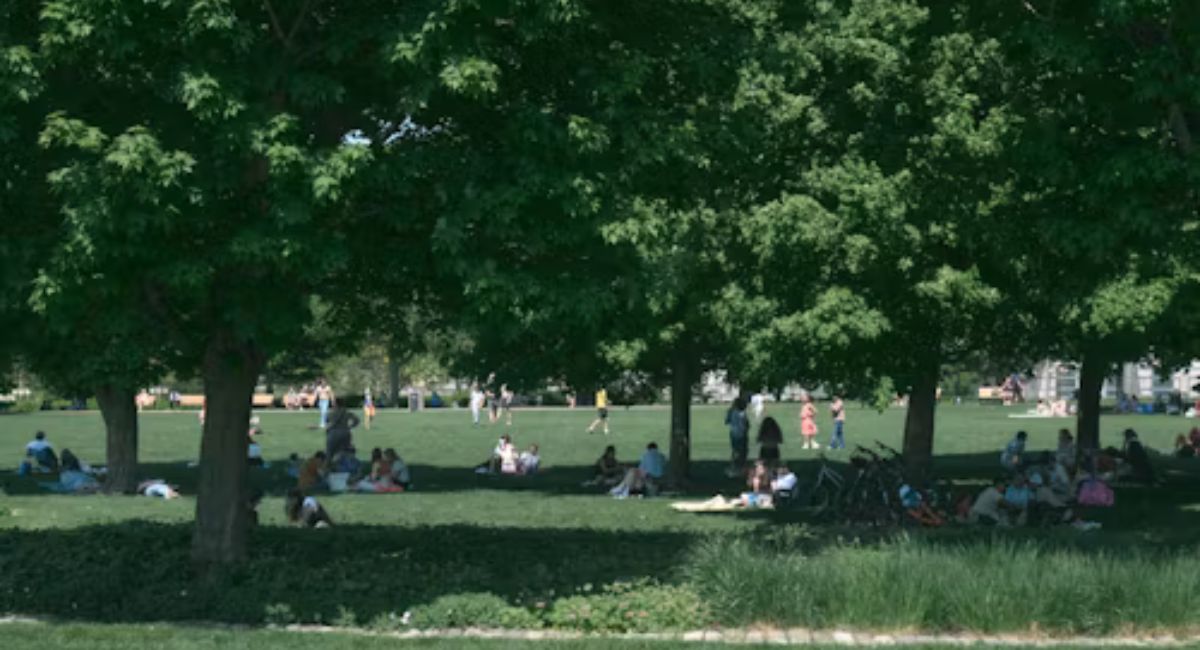
Ottawa residents looking to enjoy a relaxed summer picnic with a glass of wine, beer, cider, or prosecco now have a clearer idea of where alcohol is allowed in city parks. The City of Ottawa has continued its Alcohol in Parks pilot for 2026, giving adults permission to drink responsibly in designated areas of selected public parks.
The Ottawa parks alcohol pilot is designed to test whether personal alcohol consumption can be managed safely in public green spaces. It does not mean people can drink anywhere in any park. Instead, the city has created specific rules around where, when, and how adults can consume alcohol outdoors.
For residents planning picnics, casual meetups, or low-key summer outings, the pilot offers more flexibility. However, it also comes with clear limits meant to protect families, children, sports groups, and other park users.
When Alcohol Is Allowed In Ottawa Parks
The 2026 Alcohol in Parks pilot runs from June 1 to October 31. Under the pilot, adults can drink alcohol only in designated areas of participating parks.
The city’s earlier pilot rules allowed alcohol consumption between 11 a.m. and 9 p.m. Visitors must be at least 19 years old and must follow provincial and municipal rules around public conduct, impaired driving, littering, and responsible drinking.
This means the pilot is not an open invitation for parties, public intoxication, or disruptive behaviour. It is aimed at responsible personal consumption, such as having a drink with a picnic or casual outdoor meal.
Which Ottawa Parks Are Included?
The City of Ottawa has identified selected parks for the alcohol pilot. In the 2025 pilot, designated parks included Brewer Park, Minto Park, McNabb Park, Queenswood Ridge Park, Riverain Park, Strathcona Park, and a designated area at Lansdowne Park.
For 2026, the city says the pilot continues, and local reports indicate there are nine participating park locations this summer. Residents should check city signage and official park maps before drinking, because alcohol is only allowed in specific designated areas, not across the entire park.
This is especially important at large parks where playgrounds, sports fields, splash pads, skating areas, or other amenities may be nearby.
Rules Adults Must Follow
The Ottawa parks alcohol pilot includes several important rules. Adults must stay at least five metres away from playgrounds, wading pools, splash pads, outdoor pools, beaches, skate parks, BMX areas, parking lots, sports fields, sport courts, ball diamonds, rinks, and sanctioned sledding hills.
Visitors are also expected to take empty alcoholic beverage containers home. Littering is not allowed, and park users must not cause a disturbance or become intoxicated in public.
Alcohol is also not allowed in parts of a park that are rented by a permit holder unless permission is given. This protects organized events, sports groups, family gatherings, and community programs that may already have reserved space.
Why Ottawa Is Testing Alcohol In Parks
The pilot reflects a wider shift in how cities are thinking about public spaces. Many residents already enjoy food, drinks, and social time in parks. Allowing limited alcohol consumption gives adults more freedom while still keeping rules in place.
Supporters may see the pilot as a modern and practical approach. They argue that responsible adults should be able to enjoy a drink with a picnic in the same way they might on a patio or at a backyard gathering.
However, some residents may worry about noise, litter, public intoxication, and the impact on families using parks. That is why the city is testing the idea through a pilot rather than making a permanent city-wide change immediately.
Public Safety Remains A Key Concern
Public safety is central to the Ottawa parks alcohol discussion. The pilot tries to balance adult recreation with the needs of children, athletes, seniors, families, and people who simply want quiet access to green space.
The five-metre buffer around certain amenities is meant to keep alcohol away from areas used heavily by children and sports organizations. The restrictions on public intoxication and disturbances are also important because parks are shared spaces.
If the pilot leads to problems such as litter, disorder, or complaints, it could shape future decisions. If it works smoothly, it may encourage Ottawa to consider a longer-term approach.
What Picnic-Goers Should Know Before Going
Anyone planning a picnic with alcohol should check the park location first. The safest approach is to look for city signs, review official park maps, and make sure the area is part of the pilot.
Visitors should also pack responsibly. Bring food, water, non-alcoholic drinks, garbage bags, and a safe way to get home. Drinking and driving remains illegal and dangerous.
The best use of the pilot is simple: a quiet picnic, a small gathering, and responsible behaviour that respects other park users.
Also Read About: Quebec And Ottawa Sign Nearly $10B Infrastructure Agreements For Major Projects