
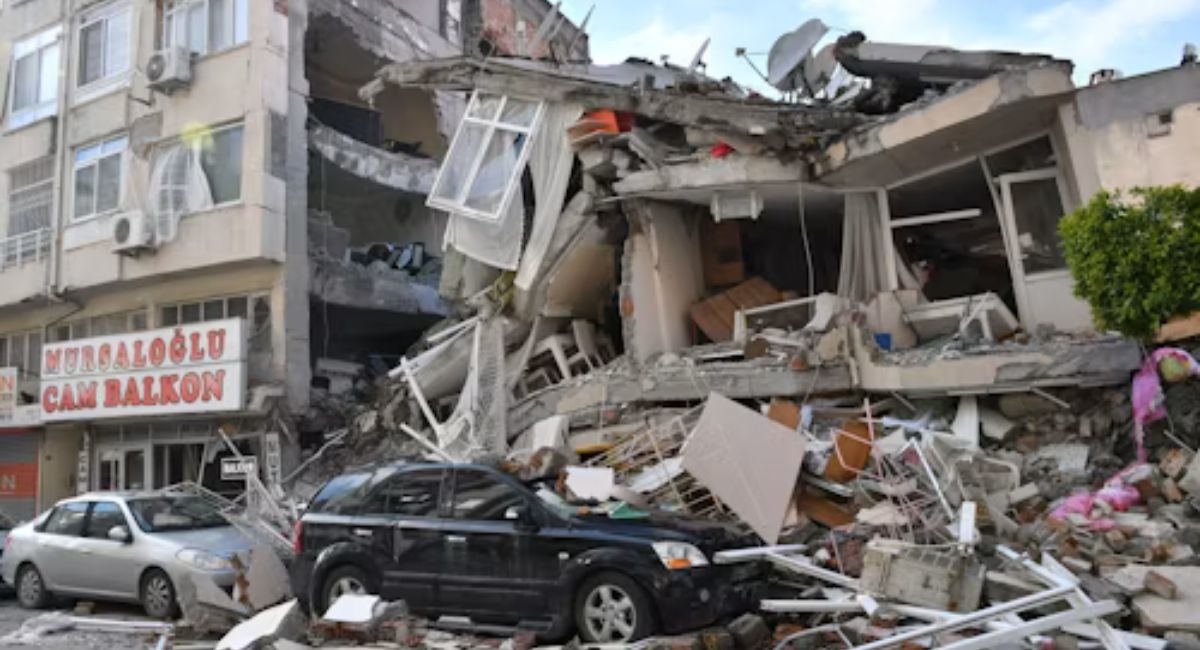
A deadly Peru earthquake has left at least six people dead, injured dozens and forced hundreds of residents from their homes in the country’s central Andes. The earthquake struck the Junín region on the night of Saturday, July 18, 2026, causing homes and historic buildings to collapse in communities near Chupaca and Chongos Bajo.
Peru’s National Institute of Civil Defence reported the main earthquake at magnitude 5.1, with its epicentre about seven kilometres south of Chupaca and a depth of 24 kilometres. International agencies reported slightly different preliminary measurements, including a magnitude of 5.5 and a shallower depth. Differences between early estimates are common because monitoring agencies use separate seismic networks and calculation methods.
Authorities said approximately 300 people were affected or displaced. Emergency workers continued inspecting damaged buildings, clearing debris and searching for people who may have been trapped.
Read this also: U.S. Bombing Campaign In Iran Expands Following Deaths Of American Troops
Peru Earthquake Strikes Central Junín Region
The Peru earthquake occurred at approximately 9:24 p.m. local time, when many residents were inside their homes.
The strongest damage was reported in Chupaca province, particularly around Chongos Bajo and nearby rural communities. Peru’s official seismic service classified the earthquake at magnitude 5.1, followed by a smaller aftershock approximately 17 minutes later.
Reuters reported that the second earthquake measured magnitude 3.7. The tremors were felt across parts of the Junín region, located roughly 300 kilometres east of the capital, Lima.
Although a magnitude near 5 may be considered moderate, the amount of damage caused by an earthquake depends on several factors. These include its depth, distance from populated areas, local ground conditions and the strength of nearby buildings.
The affected area contains many older structures built from adobe blocks. These traditional walls can be highly vulnerable to strong shaking, particularly when they have not been reinforced.
Deaths, Injuries And Displacement Reported
At least six deaths were confirmed following the Peru earthquake, while injury estimates varied as emergency assessments continued.
Reuters reported at least 21 injured people, while the Associated Press placed the number above 30. Changing casualty figures are expected during the first stages of a disaster as authorities receive new information from hospitals, villages and rescue teams.
About 300 residents were displaced or otherwise affected. Many spent the night outside because their homes had collapsed or were considered unsafe.
Emergency tents were provided for families who could not immediately return to their properties. Residents also attempted to recover clothing, furniture, documents and other belongings from damaged buildings.
Officials had not confirmed how many people remained missing during the initial response. Search crews were sent to inspect rubble and reach communities where communication had been disrupted.
Animals were also reportedly trapped or killed when farm structures and homes collapsed. Livestock losses can create an additional economic burden for rural families that depend on farming for their income.
Adobe Homes Suffer Severe Damage
The large number of damaged homes has drawn attention to the vulnerability of adobe construction.
Reuters reported that 48 homes were destroyed and another 18 were damaged. Official figures may change as engineers and emergency teams complete inspections across the affected districts.
Adobe buildings are made primarily from earth-based bricks. The material can provide affordable housing and insulation, but unreinforced walls may crack or collapse during sudden horizontal movement.
The Peru earthquake caused roofs and walls to fall into streets, leaving piles of timber, tiles and earth blocks. Some buildings that remained standing may still need to be demolished if their foundations or supporting walls have been weakened.
Residents have been warned not to enter visibly damaged properties without approval from local authorities or structural specialists. Aftershocks can cause already weakened walls to collapse without warning.
The disaster is likely to renew discussions about reinforcing rural housing. However, strengthening or replacing thousands of traditional homes requires funding, trained workers and construction materials that may not be readily available in remote communities.
Historic Church And Convent Damaged
The earthquake also damaged important cultural and religious buildings.
The historic Santiago de León church and convent in Chongos Bajo suffered major structural damage. Parts of the centuries-old complex reportedly collapsed during the shaking, adding the loss of cultural heritage to the human and housing impacts.
Historic buildings are often especially vulnerable because they were constructed before modern seismic standards existed. Restoration can also be complicated because repairs must protect original materials and architectural features.
Authorities will need to determine whether damaged sections can be stabilized or whether they present an immediate safety risk. Specialists may also document broken artwork, religious objects and structural elements before debris is removed.
The damage could affect religious services, community gatherings and tourism in the area. In many rural Peruvian communities, churches serve as both places of worship and central landmarks tied to local history.
Preserving the site may require cooperation among municipal officials, cultural authorities, engineers and residents.
Emergency Response And Humanitarian Assistance
Emergency workers, firefighters and local officials were deployed soon after the Peru earthquake.
Teams began removing debris, conducting damage assessments and searching for possible victims. Temporary shelters were established for displaced residents, while the national government sent humanitarian supplies and reinforced rescue activities in Chongos Bajo.
The most urgent needs include shelter, blankets, food, drinking water, medical assistance and protection from cold nighttime temperatures in the Andean region.
Officials must also inspect roads, schools, health facilities, electricity systems and water networks. Even limited infrastructure damage can delay assistance to smaller villages.
Medical services may face pressure from people with fractures, cuts and injuries caused by falling walls or debris. Psychological support may also become necessary for families who lost relatives, homes or livelihoods.
Authorities are expected to continue monitoring aftershocks. Residents may remain outside until engineers determine which buildings are safe to occupy.
Why Peru Faces Frequent Earthquakes
Peru experiences regular seismic activity because it lies along the Pacific Ring of Fire, a broad zone where tectonic plates interact around the Pacific Ocean.
Along Peru’s western margin, the Nazca Plate moves beneath the South American Plate. This process builds pressure that can eventually be released through earthquakes.
The country has experienced several destructive seismic disasters. In August 2007, a magnitude 8 earthquake struck near Peru’s central coast and killed more than 500 people, with severe damage around Pisco and nearby communities.
The latest Peru earthquake was considerably smaller, but its impact demonstrates that moderate earthquakes can still be deadly when they strike close to vulnerable settlements.
Earthquake preparedness measures include reinforcing homes, identifying safe evacuation areas, securing heavy furniture and keeping emergency supplies available. Local building standards and public education can also reduce future risks.
Recovery Could Take Months
The immediate focus remains on finding possible survivors and providing safe shelter, but recovery will continue long after rescue operations end.
Families will need assistance rebuilding homes and replacing essential belongings. Local governments must determine which buildings can be repaired and which require complete reconstruction.
The Peru earthquake may also affect schools, farming activity, small businesses and access to public services. Rural households with limited savings could face particular difficulty recovering without government or humanitarian support.
Accurate damage assessments will be important for directing assistance to the most heavily affected communities. Authorities will also need to ensure that reconstruction produces safer buildings rather than recreating the same structural vulnerabilities.
The confirmed death toll stands at six, but officials may revise casualty and damage figures as assessments continue.