
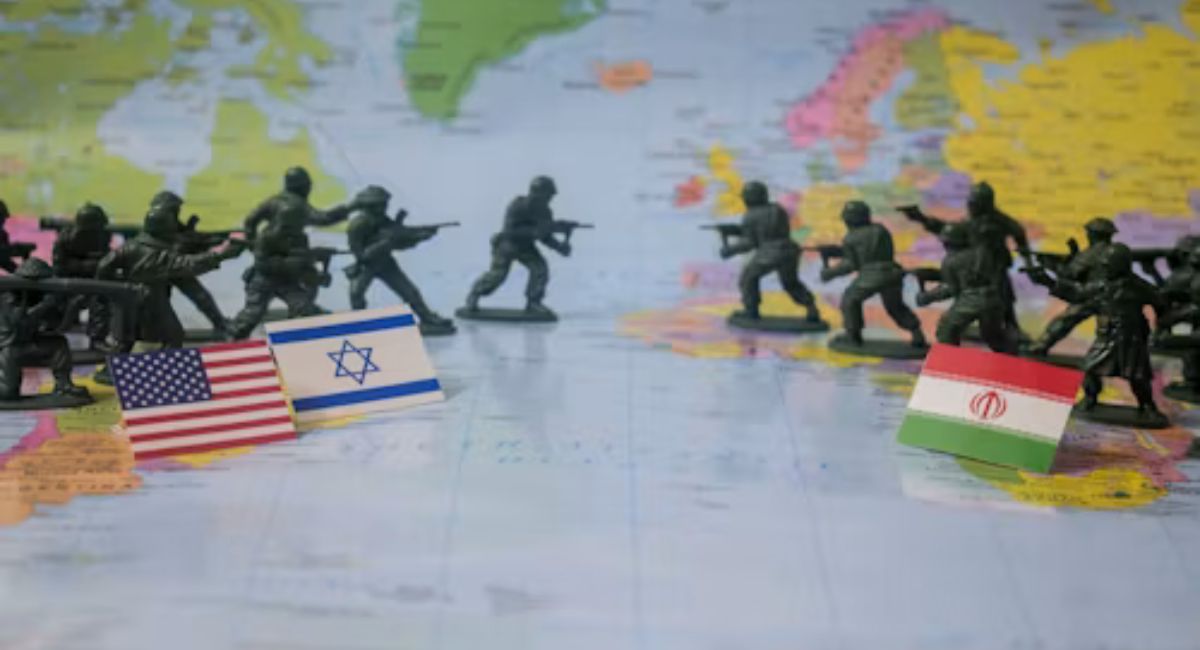
The U.S. bombing campaign in Iran has expanded following the deaths of American military personnel in separate incidents across the Middle East. New airstrikes targeted Iranian military infrastructure as Washington and Tehran exchanged attacks for another consecutive night, increasing concerns that the conflict could draw additional countries into a broader regional confrontation.
American officials announced fresh strikes early on July 20, 2026, including attacks around Tabriz in northwestern Iran, where underground missile facilities are believed to be located. The latest operation followed the deaths of two U.S. service members in an Iranian attack on a base in Jordan and another American service member during an incident involving a downed Iranian drone in Iraq.
Iran responded by launching missiles and drones toward Bahrain and Kuwait, two Gulf states that host American military facilities. The rapid exchange has placed U.S. forces, regional governments, shipping routes and energy markets under growing pressure.
Read this also: Ottawa Council Approves Renoviction Bylaw To Limit Bad-Faith Evictions
U.S. Bombing Campaign In Iran Reaches New Areas
The latest phase of the U.S. bombing campaign in Iran has moved farther into the country’s interior.
Previous strikes had concentrated heavily on coastal military positions, air-defence systems, surveillance equipment and sites connected to Iranian missile operations. The new attacks included targets near Tabriz, a strategically important city in northwestern Iran.
U.S. Central Command has confirmed multiple rounds of strikes during July as part of Operation Epic Fury. According to CENTCOM, the broader operation is intended to dismantle parts of Iran’s security apparatus and prioritize facilities considered an immediate threat to American forces and regional partners.
American military officials have described the targets as military facilities, missile sites and communications networks. Iran, however, has accused Washington of damaging civilian infrastructure and violating its sovereignty.
Independent confirmation of damage and casualties inside Iran remains difficult because access to several affected areas is restricted. Internet disruptions and competing military claims have also complicated efforts to establish a complete picture.
The expanding geographical scope suggests the United States is attempting to reduce Iran’s ability to launch missiles and drones from multiple regions rather than focusing only on coastal positions.
American Troop Deaths Intensify The Conflict
The deaths of American service members have increased political and military pressure on Washington to respond.
Two U.S. troops were killed following an Iranian attack on Muwaffaq Salti Air Base in Jordan. Another service member was reported missing after the strike, while unidentified remains were later recovered from the affected area.
A separate American service member was killed in Iraq during the controlled detonation of unexploded material from a downed Iranian drone. That incident was followed by another round of U.S. airstrikes against Iranian targets.
The casualties demonstrate the risks facing thousands of American personnel stationed throughout the region. U.S. troops operate from facilities in Jordan, Iraq, Bahrain, Kuwait, Qatar and other partner countries.
Those bases support air operations, missile defence, maritime security and intelligence activities. They can also become targets when tensions between Washington and Tehran escalate.
The U.S. bombing campaign in Iran may reduce some immediate Iranian military capabilities, but it also raises the possibility of further retaliatory attacks against American personnel outside Iran.
Iran Retaliates Against Gulf States
Iran’s response has extended beyond direct attacks on U.S. forces.
Tehran launched drones and missiles toward Bahrain, which hosts the U.S. Navy’s Fifth Fleet, and Kuwait, where American troops and military equipment are stationed. Regional defence systems intercepted some of the incoming threats, although reports of damage and injuries continued to emerge.
Iran appears to be targeting countries that provide military access or logistical support to the United States. This strategy places Gulf governments in a difficult position because many maintain security partnerships with Washington while attempting to avoid direct conflict with Tehran.
Bahrain and Kuwait have both emphasized their right to defend their territory. Other Gulf governments have increased security around airports, military installations, energy facilities and government buildings.
Jordan has also become a major flashpoint. Its strategic location allows the United States to conduct regional operations, but its limited territory makes military sites vulnerable to missiles and drones launched from neighbouring areas.
The continued exchange means the U.S. bombing campaign in Iran is no longer affecting only the two main combatants. Countries hosting American forces face a growing risk of becoming directly involved, even when their governments have publicly called for restraint.
Strait Of Hormuz And Oil Markets Face Pressure
The conflict is also affecting one of the world’s most important energy routes.
The Strait of Hormuz connects the Persian Gulf with the Gulf of Oman and is used to transport a significant share of globally traded oil and liquefied natural gas. Attacks on vessels, military confrontations and restrictions near Iranian ports have created uncertainty for shipping companies.
Reports indicate that Iran has targeted commercial vessels while the United States has resumed efforts to enforce a naval blockade around Iranian ports. These actions have raised insurance expenses and disrupted normal shipping operations.
Oil prices moved above $90 per barrel amid concerns that a prolonged conflict could reduce supplies or close the Strait temporarily. Higher crude prices can eventually affect gasoline, transportation, manufacturing and consumer costs in countries far beyond the Middle East.
Protecting shipping has therefore become a major objective connected to the U.S. bombing campaign in Iran. Washington says its regional naval presence is necessary to keep trade routes open, while Iran argues that American military operations are responsible for the instability.
A sustained disruption would place additional pressure on oil-importing countries and could weaken global economic growth.
Diplomatic Efforts Continue Despite Escalation
Diplomatic communication has not completely stopped, even as military operations intensify.
Qatar, Pakistan and other regional governments have reportedly attempted to facilitate indirect contact between Washington and Tehran. U.S. officials have said negotiations remain possible if Iran demonstrates a serious willingness to reach an agreement.
However, the deaths of American troops and Iran’s attacks against Gulf states have made a rapid diplomatic breakthrough less likely. Each side now faces domestic pressure to avoid appearing weak.
Washington wants Iran to halt attacks on American forces, shipping and regional allies. Tehran wants an end to U.S. airstrikes, naval restrictions and operations targeting its military infrastructure.
The U.S. bombing campaign in Iran could be used to pressure Tehran into negotiations, but continued strikes may also harden Iran’s position. Military escalation often reduces the political space available for compromise, particularly when casualties are increasing.
A temporary ceasefire would require both sides to agree on limits covering airstrikes, missile launches, maritime activity and attacks by aligned groups. Without clear monitoring and enforcement, any pause could remain fragile.
Risk Of A Wider Regional War Grows
The greatest concern is that the conflict could expand beyond controlled exchanges of missiles and airstrikes.
Additional American casualties could lead Washington to authorize larger attacks. A strike causing significant civilian deaths or damage to sensitive Iranian facilities could also produce a stronger response from Tehran.
Israel has warned that it will respond forcefully to Iranian aggression, while Gulf governments are strengthening their defensive positions. Armed groups operating in Iraq, Syria, Lebanon and Yemen could further complicate the crisis by attacking American or allied targets.
The U.S. bombing campaign in Iran is therefore entering a dangerous stage. The United States retains overwhelming conventional military strength, but Iran possesses missiles, drones, regional networks and the ability to disrupt maritime trade.
Neither side has publicly indicated that it wants a prolonged regional war. However, repeated retaliation creates opportunities for miscalculation, accidental escalation and decisions made before diplomatic channels can intervene.
The next phase will depend on whether military leaders limit their target selection or expand operations after each new casualty. Continued diplomacy remains possible, but the widening attacks show that the immediate direction of the conflict is toward greater confrontation.