
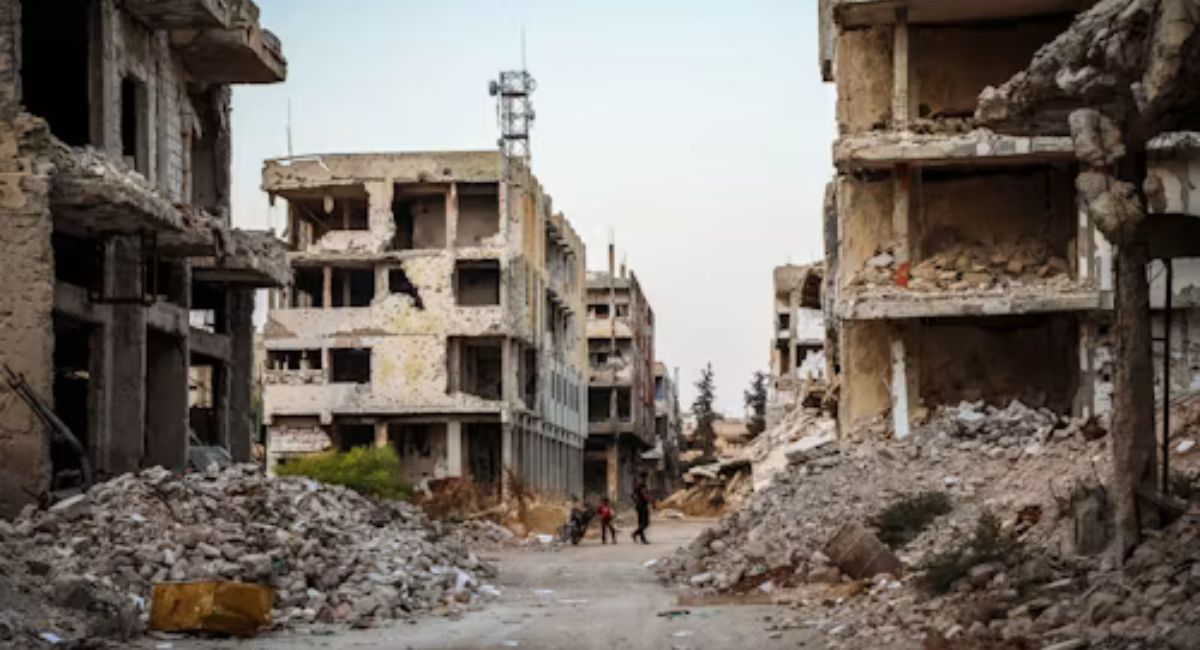
President Donald Trump has issued a forceful Trump Iran warning after a deadly series of attacks killed American service members amid the continuing conflict between the United States and Iran. Trump said Tehran would “pay many times over” for every U.S. soldier killed, signalling the possibility of further American military action.
Seventeen U.S. service members have reportedly died since the conflict began in February 2026. The latest casualties included two troops killed during an Iranian attack targeting American forces at Muwaffaq Salti Air Base in Jordan. More than 430 U.S. personnel have also been injured during the conflict, although the Pentagon said most have returned to duty.
The president’s remarks came as American forces continued strikes against targets in Iran and tensions remained high across the Middle East. While diplomatic efforts have not completely ended, the latest Trump Iran warning has increased concerns about further escalation and additional casualties.
Read this also: Tropical Storm Bertha Threatens U.S. Gulf Coast With Heavy Rain, Flooding and Storm Surge
Trump Iran Warning Follows Deadly Weekend
Trump delivered his warning after one of the deadliest periods for American forces since the war began. Seventeen U.S. troops were reported killed during the weekend, including service members stationed in Jordan.
In a social-media statement, Trump said Iran would face consequences “many times over” for American deaths. He also indicated that he had given instructions to senior military officials, including Defense Secretary Pete Hegseth and Joint Chiefs of Staff Chairman Gen. Dan Caine.
The administration did not immediately disclose the complete details of those instructions. However, Trump’s language suggested that additional military measures were being considered or had already been authorized.
The president was also expected to attend the return of fallen service members at Dover Air Force Base. Such ceremonies, commonly known as dignified transfers, mark the arrival of service members killed while serving overseas.
Trump has described the continuing U.S. strikes as a response to attacks on American forces, allied countries and commercial shipping. His administration argues that Iran must face serious consequences for targeting U.S. personnel.
U.S. and Iran Exchange Continued Strikes
The Trump Iran warning came during a renewed cycle of American and Iranian military operations.
The United States carried out approximately 10 consecutive nights of strikes against Iranian targets, according to reports released on July 20 and July 21. American officials said the operations were intended partly to weaken Iran’s ability to threaten shipping in and around the Strait of Hormuz.
Iran, meanwhile, launched missiles and drones toward U.S. forces and American allies in the region. Targets reportedly included locations in Jordan, Bahrain and Kuwait. Some attacks were intercepted, while others caused casualties or damage.
The renewed fighting followed the collapse of an interim ceasefire arrangement earlier in July. Trump declared the agreement “over” on July 8, saying he did not want to continue engaging with Tehran under the existing terms.
Since then, both sides have continued military action while accusing the other of violating previous understandings. The absence of a durable ceasefire has increased the possibility that individual attacks could trigger a broader response.
Strait of Hormuz Remains Central to Conflict
Control and security in the Strait of Hormuz remain central issues in the confrontation.
The narrow waterway connects the Persian Gulf with the Gulf of Oman and is one of the world’s most important energy-shipping routes. Disruption in the strait can reduce oil exports, raise shipping insurance costs and place upward pressure on global fuel prices.
Iran has threatened or restricted vessel movements through the area, while the United States has conducted strikes intended to protect commercial shipping and reopen reliable transit routes. Despite those operations, Iran has maintained its military posture and resisted American demands.
The dispute has also created political pressure inside the United States. Higher gasoline prices and continued military casualties have intensified questions about the administration’s objectives and its strategy for ending the conflict.
The latest Trump Iran warning may be intended to deter further attacks on American troops. However, retaliation could also produce another Iranian response, extending the cycle of strikes.
Officials must therefore balance the goal of protecting U.S. forces with the risk that a larger operation could expand the war into additional countries or shipping routes.
Diplomatic Efforts Continue Despite Escalation
Although military action has intensified, regional mediators are continuing efforts to establish another ceasefire.
Qatar has reportedly proposed a temporary 10-day ceasefire that would include guarantees related to shipping. However, Iran had not formally accepted the proposal, and major disagreements remained over security arrangements in the Strait of Hormuz.
Other governments in the region have also called for restraint. Countries hosting U.S. forces face the possibility of becoming targets during Iranian retaliation, even when they are not direct participants in American operations.
The Trump administration has maintained that diplomatic solutions remain possible. At the same time, the president’s public statements have emphasized punishment and military pressure rather than immediate negotiations.
This creates uncertainty about whether the Trump Iran warning is primarily a deterrent message or an indication that a major new operation is approaching.
Previous ceasefire efforts have struggled because Washington and Tehran remain divided over military activity, sanctions, shipping access and Iran’s nuclear-linked infrastructure. Distrust has also grown following repeated accusations that earlier agreements were violated.
Pressure Builds Over U.S. Strategy and Casualties
The deaths of American service members have increased scrutiny of the administration’s overall strategy.
Members of Congress are expected to question senior defense officials about the war’s cost, military goals and possible exit plan. Hegseth and Caine are likely to face questions about troop protection, casualty levels and the conditions required to reduce American involvement.
Critics argue that repeated airstrikes have not forced Iran to end its attacks or accept U.S. demands. They warn that an open-ended campaign could result in more casualties without producing a clear political outcome.
Supporters of the administration’s position say that failing to respond forcefully could encourage Iran to conduct additional attacks. They view the Trump Iran warning as necessary to demonstrate that killing American personnel will carry a substantial cost.
The Pentagon has reported more than 430 injuries since the conflict began. Although most injured personnel reportedly returned to duty, the scale of casualties illustrates the risks facing American troops throughout the region.
Public opinion may also become increasingly important as the conflict continues. Rising fuel costs, military deaths and uncertainty about the duration of the campaign could shape political debate ahead of the U.S. midterm elections.
What Could Happen After Trump’s Warning?
The immediate outcome of the Trump Iran warning will depend on decisions made in Washington and Tehran.
The United States could expand attacks against Iranian military infrastructure, missile facilities, naval assets or nuclear-linked sites. Trump has previously threatened wider strikes if Iran continues targeting American forces and regional shipping.
Iran could respond with additional missile or drone attacks against U.S. bases, allied governments or commercial vessels. Iran-aligned groups elsewhere in the region may also increase pressure on shipping and military targets.
Another possibility is that the threat of escalation pushes both sides toward a temporary ceasefire. However, any agreement would need to address shipping access, attacks on military facilities and the broader disagreement over Iran’s regional and nuclear activities.
For now, the situation remains volatile. Trump’s pledge to make Iran pay “many times over” represents one of his strongest warnings since the latest American deaths. Whether it produces deterrence, expanded retaliation or renewed negotiations remains uncertain.