
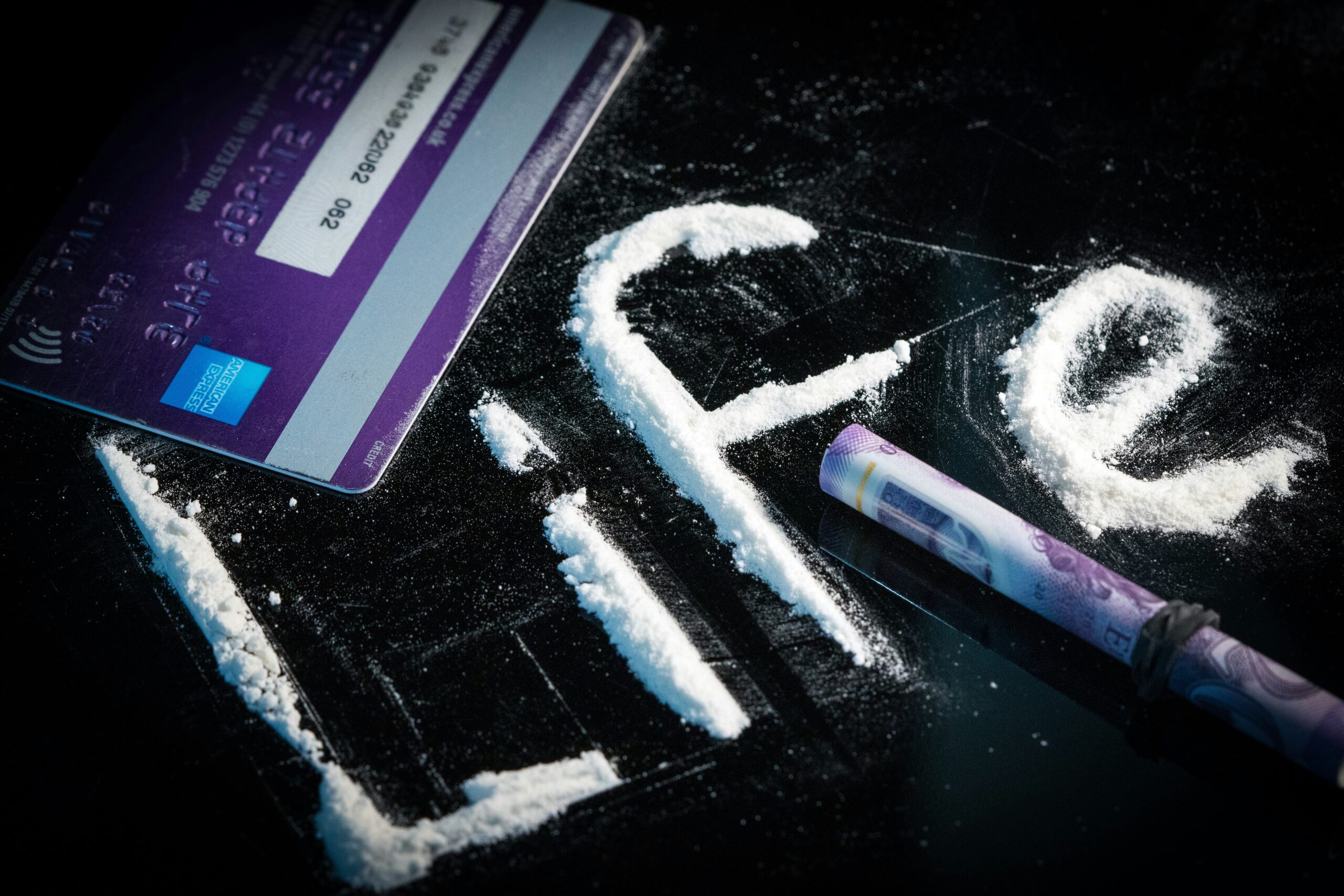
A major Manitoba cocaine trafficking investigation has exposed how organized crime networks allegedly used postal packages, courier deliveries, commercial transport, and private vehicles to move illegal drugs into the province. Police say the operation led to the largest illicit drug seizure in Manitoba history, with dozens of arrests and millions of dollars worth of drugs removed from circulation.
The Winnipeg Police Service said its Organized Crime Unit began investigating in May 2024 after identifying a network allegedly importing large quantities of cocaine, methamphetamine, and fentanyl into Winnipeg. Those drugs were then distributed across Manitoba and Northwestern Ontario, according to police. The investigation ended in March 2026 and resulted in 33 arrests and 174 drug trafficking, proceeds of crime, and conspiracy-related charges.
Historic Manitoba Cocaine Trafficking Probe
The case, known as Project PUMA, has drawn major attention because of its scale. Winnipeg police said investigators seized more than $37.2 million worth of illicit drugs, along with 14 firearms, about $825,000 in cash, seven vehicles, and 1.35 million illegal cigarettes.
The seized drugs included 175 kilograms of cocaine, with an estimated street value of $17.5 million, along with 339 kilograms of methamphetamine and 11.25 kilograms of fentanyl. Police also reported an undisclosed quantity of pills, cannabis marijuana, and cannabis derivatives.
For Manitoba residents, the numbers are alarming. The seizure points to a drug supply chain that police say was organized, interprovincial, and connected to larger criminal networks.
Postal Packages Part of Larger Drug Movement
One of the most concerning details in the investigation is the alleged use of mail and courier services to move drugs into Manitoba. Winnipeg police said controlled substances were imported from the United States using commercial vehicles and later warehoused in Alberta and Ontario. From there, investigators said drugs were moved into Manitoba through several methods, including mail services, courier deliveries, commercial transport, and private vehicles.
This does not mean postal systems were the only method used. Instead, police described a broader trafficking model that relied on multiple routes and delivery methods. Global News also reported that drugs were imported from the U.S., stored in Ontario and Alberta, and then shipped by mail or courier or moved by vehicles into Manitoba.
The key public-safety concern is that organized crime groups appear to be using ordinary delivery channels as part of larger distribution networks.
Links to Organized Crime Raise Concern
Police said the network had international ties and was associated with upper-level organized crime in Canada, including the Hells Angels, Wolfpack Alliance, and a Mexican cartel. Investigators described the organization as having significant control over illicit drug distribution in Manitoba and other provinces.
CityNews reported that authorities described the group as a “sophisticated criminal network” allegedly responsible for importing drugs from the United States into Manitoba and Northwestern Ontario. Police also said those arrested included people connected to multiple drug-trafficking cells under one larger organization.
These claims show why the case is bigger than a local drug bust. It reflects how organized crime can operate across provincial and national borders, making enforcement more difficult for any single police service.
Why the Seizure Matters for Manitoba Communities
The impact of drug trafficking goes far beyond criminal charges. Police and public officials have linked illegal drug distribution to addiction, overdoses, violence, firearms, organized crime profits, and harm in vulnerable communities.
CityNews reported comments from Winnipeg police officials describing the daily impact of the drug trade, including addictions, overdoses, suicide, and devastation for families.
That is why the Manitoba cocaine trafficking case matters to more than law enforcement. Every major seizure may reduce the immediate supply of dangerous substances, but it also highlights the deeper need for prevention, treatment, community support, and continued enforcement against organized crime.
Multiple Police Agencies Worked Together
The investigation required cooperation across several jurisdictions. Winnipeg police said partner agencies included the Manitoba Criminal Intelligence Centre, FINTRAC, Parkland RCMP in Alberta, Edmonton Police Service, the Ontario Provincial Police, Brandon Police Service, Winkler Police Service, Morden Police Service, and other enforcement partners.
This level of coordination is important because the alleged trafficking network did not operate only in one city. Police said the drugs moved across borders and provinces, meaning investigators needed intelligence-sharing and coordinated enforcement in Manitoba, Alberta, and Ontario.
CityNews also reported that the nearly two-year investigation involved police forces in multiple provinces and was funded by Manitoba Justice through the Manitoba Criminal Intelligence Centre.
Charges and Court Process Continue
Police said 33 people were arrested, and charges included drug trafficking, proceeds of crime, and conspiracy-related offences. CityNews reported that seven suspects had pleaded guilty and received sentences ranging from three to 16 years, while many other matters remained before the courts.
It is important to remember that charges are allegations unless proven in court. The remaining accused are entitled to due process, and courts will determine guilt or innocence based on the evidence.
A Warning About Organized Drug Networks
The latest Manitoba drug bust shows how criminal networks can adapt. Police say the organization used multiple methods to move drugs, including commercial systems and private transportation. That flexibility makes enforcement more challenging and increases the importance of intelligence-led policing.
At the same time, the case may push more attention toward drug interdiction, postal-package screening, anti-gang enforcement, and cross-provincial cooperation. Public safety officials may also face pressure to expand treatment and prevention services, because enforcement alone cannot solve the harm caused by toxic drug markets.
Also Read About: Supreme Court Decision Raises Legal Questions in Beating Death Retrial Case