
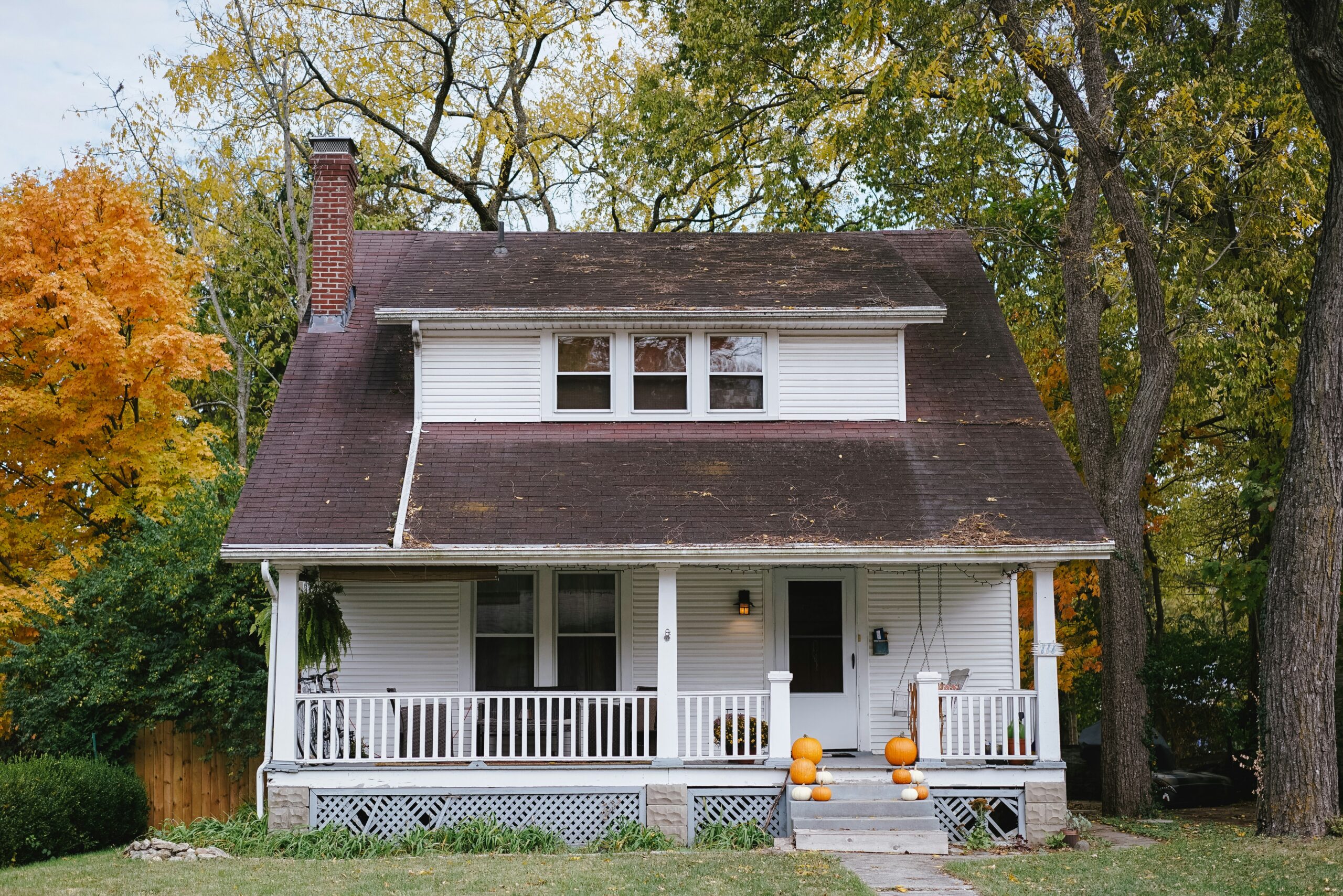
Manitoba is set to see more housing development after Ottawa announced $47 million in federal support for secure rental units across several communities. The new investment is expected to help create badly needed homes in places including Selkirk, Winkler, Flin Flon, Cross Lake, and northern Manitoba, where housing pressure remains a serious concern for families, seniors, women, and people who need supportive housing.
The announcement adds fresh momentum to the conversation around Manitoba housing funding, especially as communities across the province continue to face affordability challenges, limited rental options, and growing demand for safe, stable housing.
Manitoba Housing Funding Targets Communities With Real Need
The federal funding will support 133 secure rental units, including 49 in Selkirk, 25 in Winkler, 25 in Cross Lake, and 16 in Flin Flon, with additional units planned for northern Manitoba. The money is coming through the federal Affordable Housing Fund, according to local reporting.
This matters because housing shortages are not only a Winnipeg issue. Smaller cities, northern communities, and First Nations often face even more difficult housing conditions because of limited construction capacity, higher building costs, fewer rental choices, and aging housing stock.
For residents in these communities, new secure rental housing can mean more than a roof over their heads. It can support better health, stronger family stability, safer communities, and improved access to work, school, and services.
Who Will Benefit From the New Housing?
The new funding is expected to focus on people who often face the greatest housing barriers. Targeted groups include seniors, women, people in transitional housing, and people who require supportive housing.
That makes this investment especially important. Affordable and supportive housing can help people move out of unstable living situations, avoid homelessness, or remain safely in their communities as they age. For women and families escaping difficult circumstances, secure housing can also be a critical step toward safety and independence.
For seniors, affordable rental units can reduce financial stress and allow them to stay closer to family, health care, and familiar community supports.
Why Affordable Housing Is a Growing Priority
The latest Manitoba housing funding announcement comes at a time when Canada continues to push for more rental and affordable housing supply. CMHC says the Affordable Housing Fund provides capital to partnered organizations for new affordable housing and community housing, including support through low-interest or forgivable loans and contributions.
The fund also supports shelters, transitional housing, supportive housing, and diverse community housing projects. That is important because housing need is not one-size-fits-all. Some residents need independent rental units, while others need housing connected to social, health, or community supports.
Across Canada, affordability remains a major challenge even when some rental markets show signs of easing. CMHC’s 2026 housing outlook notes that housing demand is expected to gain momentum while sales remain below historical averages and prices show modest movement after falling in 2025.
Federal Investment Could Help Ease Local Pressure
Ottawa’s $47 million commitment will not solve Manitoba’s housing shortage on its own, but it could help relieve pressure in communities where even a modest number of new homes can make a meaningful difference.
In smaller communities, 25 or 49 new units can have a visible local impact. They may reduce waiting lists, free up overcrowded homes, support vulnerable residents, and help local service providers respond more effectively to housing insecurity.
This is why the phrase Manitoba housing funding is becoming more important in public policy discussions. Housing is now closely connected to health care, public safety, economic development, reconciliation, and community growth.
Northern Manitoba Remains a Key Concern
The inclusion of Cross Lake and northern Manitoba is especially significant. Northern and remote communities often face higher construction costs because of transportation, labour availability, climate conditions, and infrastructure limits.
Local reporting also noted that $12.1 million has been set aside to decommission and replace a landfill on York Factory First Nation with a properly engineered facility, work that is expected to support housing and environmental protection in the community.
This shows that housing development is not only about building units. Communities also need the infrastructure that makes housing safe, sustainable, and livable over the long term.
Affordable Housing Fund Plays a Bigger Role
The Affordable Housing Fund has become one of Ottawa’s major tools for supporting housing projects across the country. CMHC reported in 2026 that the fund had committed about $14 billion, helping create 57,000 homes and repair 174,000 community units.
That broader national context helps explain why Manitoba’s latest funding announcement matters. Federal programs are increasingly being used to support local projects that may be difficult to finance through market forces alone.
Affordable housing often requires partnerships among federal agencies, provincial governments, Indigenous governments, municipalities, non-profits, and local builders. Without that cooperation, many projects aimed at lower-income or vulnerable residents may not move forward.
What This Means for Manitoba Communities
For Manitoba communities, the $47 million announcement could bring several benefits:
More secure rental homes could reduce pressure on families and individuals struggling to find stable housing. Supportive and transitional housing options could help people move toward independence. Seniors may gain more affordable choices closer to their communities. Northern and Indigenous communities may receive housing support tied to broader infrastructure needs.
The most important test will be delivery. Residents will want to know when construction begins, when units become available, how affordability will be maintained, and how local organizations will be involved.
Also Read About: Ādisōke Library Project Faces Fresh Delays as Budget Pressure Grows