
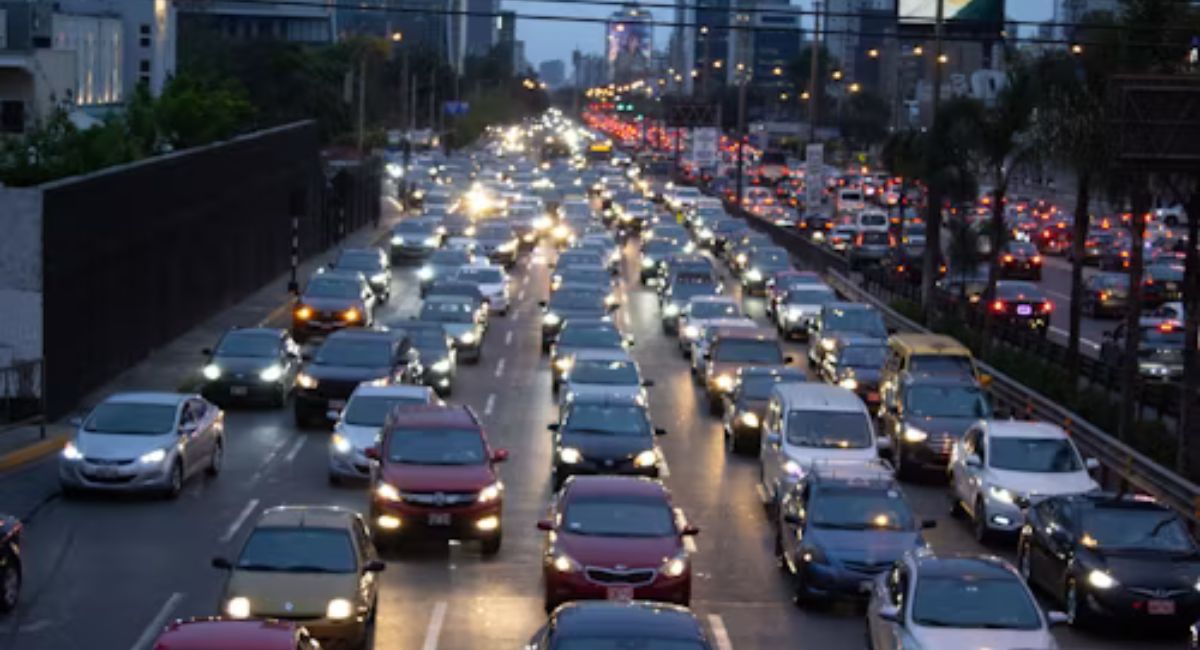
Ottawa’s proposed $30-million transportation package is intended to prevent the federal government’s expanded office mandate from overwhelming roads and public transit. The Ottawa return-to-office traffic plan combines new express bus services, traffic-signal adjustments, parking measures, construction coordination and active transportation initiatives ahead of an expected rise in fall commuting.
The city says federal employees will not be the only people contributing to heavier traffic. Regular travel patterns will return after the summer, while students at schools, colleges and universities will also resume their daily journeys. These overlapping changes are expected to increase pressure on roads and OC Transpo during already busy morning and afternoon periods.
Although the strategy promises more commuting options, public servants may still face crowded buses, limited parking, construction disruptions and uncertainty over whether the measures can be delivered quickly enough.
Ottawa Return-to-Office Traffic Plan Targets Fall Congestion
The Ottawa return-to-office traffic plan was developed as the city prepared for a significant change in commuting demand during fall 2026.
Most federal employees were required to increase their in-office presence to four days per week beginning July 6, 2026, while federal executives were instructed to return five days per week earlier in the year. The policy is expected to affect thousands of workers travelling to government offices across the National Capital Region.
Ottawa’s strategy includes 48 proposed enhancements focused on transit reliability, road management, parking, cycling, walking and public communication. The measures remain subject to council approval and will be implemented through several city departments rather than as a single construction project.
The plan is designed to respond to immediate travel pressures rather than permanently eliminate congestion. Public servants should therefore expect improvements in certain corridors and employment areas, but not necessarily faster journeys across the entire city.
The city has scheduled a technical briefing for August 2026 to provide updated forecasts and more information about anticipated fall travel patterns.
Read this also: Ottawa Faces Severe Thunderstorm Threat as Heavy Wildfire Smoke Raises Health Concerns
Express Transit Routes Could Serve Major Employment Areas
Transit improvements are one of the most important elements of the Ottawa return-to-office traffic plan.
The city plans to introduce express services connecting residential areas with key employment locations. These routes are intended to provide more direct travel options for commuters who currently need to make several transfers or travel through the downtown core before reaching their workplace.
Large federal employment sites are spread throughout Ottawa. They include downtown office towers, Tunney’s Pasture, Confederation Heights, the Department of National Defence’s Carling Campus and government buildings in areas such as Gloucester and Kanata.
Direct services to major employment nodes could reduce travel times for some public servants. However, their effectiveness will depend on route frequency, operating hours, reliability and convenient connections with neighbourhood buses and O-Train stations.
OC Transpo is also expected to focus on improving system capacity and reliability. The city has said Line 1 is prepared for increased federal office attendance, although riders may remain cautious because service interruptions and crowded vehicles can quickly affect confidence in the network.
Public servants considering transit should review updated route information before the fall schedule begins. A route used during the summer may operate differently once additional services and seasonal schedules are introduced.
Traffic Signals and Construction Work Will Be Coordinated
The plan includes measures intended to improve the movement of vehicles through Ottawa’s busiest corridors.
City staff plan to adjust traffic-signal timing, monitor congestion and improve responses to collisions, stalled vehicles and other incidents. Enforcement may also be increased in locations where illegal parking, blocked intersections or unsafe driving contribute to delays.
Signal changes can help traffic move more efficiently, but they cannot create unlimited road capacity. A corridor may still experience long delays when too many vehicles arrive during the same period.
Construction coordination will be particularly important. Road repairs, utility work, building projects and major infrastructure construction can reduce lanes or create detours at the same time that commuting demand is increasing.
The city says it will coordinate construction activities to limit unnecessary disruption. Public servants should nevertheless check planned road closures before leaving home, especially when travelling through downtown Ottawa or near major transit projects.
Workers with flexible starting times may reduce delays by travelling before or after the busiest period. However, that option will depend on departmental policies, operational requirements and agreements with managers.
Parking and Park-and-Ride Options May Expand
Parking is likely to remain one of the most difficult issues connected with increased office attendance.
The Ottawa return-to-office traffic plan calls for the expansion and better use of parking, including Park and Ride facilities. The goal is to allow more commuters to leave their vehicles outside congested employment areas and complete their journey by transit.
This approach may be helpful for public servants who live in suburban or rural communities where direct transit service is limited. Driving to an O-Train station or major bus hub could be less stressful than searching for parking near an office.
However, Park and Ride spaces can fill quickly. Commuters may also be reluctant to combine driving and transit when a missed connection adds significant time to the journey.
Parking near federal offices may become more competitive as attendance increases. Some government properties have fewer spaces than they did before widespread remote work, while private parking fees can create an additional financial burden for employees.
Public servants planning to drive should confirm whether their workplace offers assigned spaces, daily parking or waiting lists. They should also compare the full cost of parking and fuel with the cost and travel time associated with transit.
Cycling and Walking Are Part of the Strategy
The city also wants more residents to consider walking, cycling and other alternatives to driving alone.
Ottawa’s strategy includes improving access and connectivity for active transportation while providing information about available routes.
Cycling may be practical for employees living relatively close to their workplace, especially during favourable weather. E-bikes can also make longer distances and hills more manageable.
However, cycling will not be suitable for every worker. Distance, physical ability, family responsibilities, road conditions and the absence of secure bicycle parking can all limit its usefulness.
Federal workplaces may need to provide secure storage, lockers and changing facilities if they want more employees to cycle regularly. Without those supports, active transportation may remain an occasional option rather than a dependable daily commute.
Walking can help reduce short car trips around employment areas, but it does not solve the challenge faced by employees travelling from distant suburbs. The plan therefore relies on several transportation choices working together rather than one option replacing all others.
Why Public Servants Still Have Concerns
Despite the promised investments, the Ottawa return-to-office traffic plan may not fully address workers’ concerns about longer commutes, higher expenses and reduced flexibility.
Public-sector unions have criticized stricter attendance requirements, arguing that employees may face inadequate office space and significant personal costs. Reports from other jurisdictions have also described workers dealing with long traffic delays after full-time return-to-office policies were introduced.
Employees may need to pay more for fuel, parking, transit passes, childcare and meals. Those costs are separate from the city’s transportation budget and will continue even when traffic-management measures work as intended.
There is also uncertainty about whether additional bus services will reach every major federal worksite. A direct express route may benefit workers along one corridor while offering little help to someone travelling across the city.
The strategy may reduce the worst effects of increased travel demand, but it cannot guarantee that every public servant will receive a faster or more affordable commute.
Its success will depend on reliable implementation, clear communication and the willingness of commuters to consider alternatives to driving alone.
What Public Servants Should Do Before Fall
Employees should begin reviewing their commuting options before traffic volumes increase.
The city plans to publish travel information and system updates as the measures are introduced. Commuters should monitor OC Transpo schedules, road closures, Park and Ride availability and notices from their departments.
Testing different routes before a mandatory office day can help identify realistic travel times. Workers may also want to compare driving, transit, carpooling and mixed journeys involving both a vehicle and the O-Train.
Departments can support the transition by allowing staggered arrival times where operationally possible. Even a modest reduction in the number of employees arriving at the same time could reduce pressure on roads, parking lots and transit vehicles.
Ottawa’s plan represents a substantial attempt to manage a predictable increase in commuting. However, public servants should prepare for an adjustment period as new services begin and travel patterns settle.