
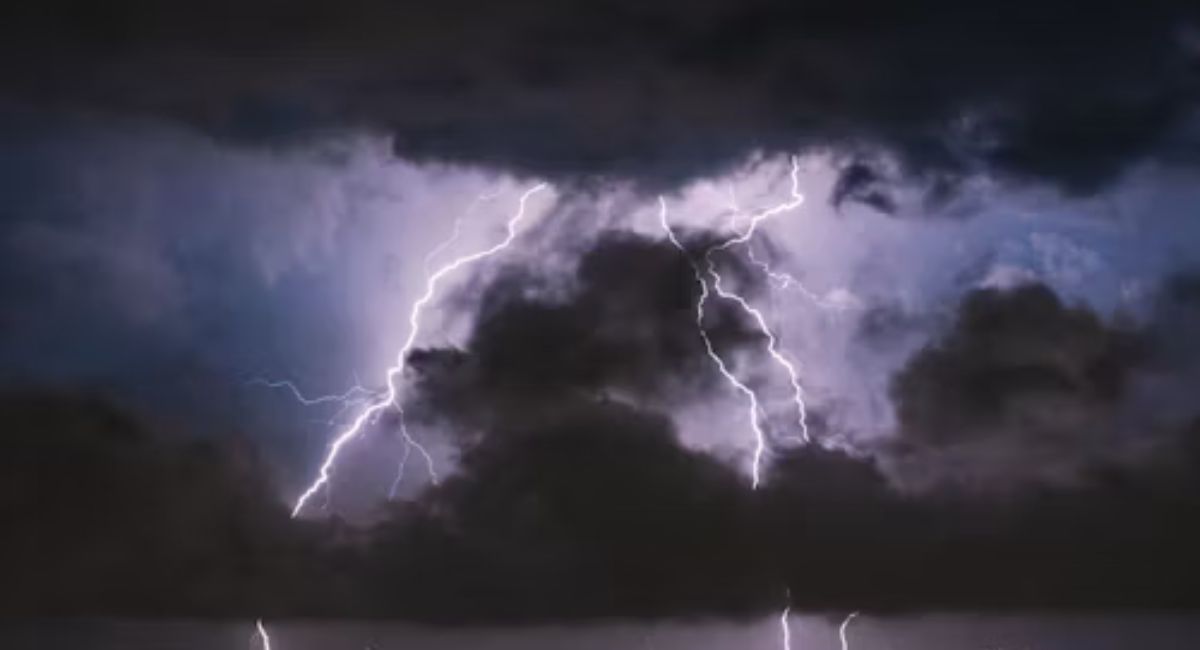
An Ottawa thunderstorm and wildfire smoke event created difficult conditions across the capital region as residents faced the possibility of damaging storms alongside reduced air quality. Environment and Climate Change Canada issued a severe thunderstorm watch on July 14, 2026, while smoke from wildfires in northwestern Ontario spread into Ottawa and surrounding communities.
The overlapping weather hazards raised concerns about strong winds, heavy rainfall, lightning and exposure to fine smoke particles. Residents were advised to monitor official alerts, limit unnecessary outdoor activity when smoke became noticeable and prepare to move indoors if threatening weather approached.
Although thunderstorm watches do not guarantee that severe weather will occur in every neighbourhood, they indicate that atmospheric conditions are favourable for storms capable of producing hazardous conditions.
Ottawa Thunderstorm and Wildfire Smoke Alerts Issued
The Ottawa thunderstorm and wildfire smoke situation developed as hot and humid weather covered much of eastern Ontario.
Environment and Climate Change Canada issued a severe thunderstorm watch for parts of Ottawa, including Ottawa South, Richmond and Metcalfe. The watch carried a high potential impact level and moderate forecast confidence, indicating that severe storms were possible but their precise timing and location remained uncertain.
A thunderstorm watch was also displayed for the broader Ottawa area during the overnight period leading into July 15. At the same time, an air-quality warning remained associated with wildfire smoke moving through the region.
An air-quality warning issued for Ottawa South said smoke was causing, or was expected to cause, poor air quality and reduced visibility. The warning was issued during the evening of July 14 before being lifted the following day as conditions changed.
Weather alerts can be updated, expanded or cancelled quickly. Residents should therefore rely on Environment Canada’s current forecast rather than screenshots or social-media posts that may no longer reflect active conditions.
Read this also: 2026 Alberta U17 Female Team Blue Battles Team Gold in High-Stakes Provincial Showdown
Severe Storms Could Bring Several Hazards
The Ottawa thunderstorm and wildfire smoke combination presented different risks that required separate precautions.
Severe thunderstorms can produce damaging wind gusts, intense rainfall, frequent lightning and, in some cases, hail. Strong winds may break tree branches, damage outdoor property and create local power outages.
Heavy rain can also overwhelm drainage systems and cause temporary flooding on roads, in low-lying areas or near construction zones. Drivers should avoid entering water-covered roads because the depth and condition of the pavement may be difficult to judge.
Lightning remains a threat even when rainfall is limited. Anyone who hears thunder should move into a substantial building or enclosed vehicle and remain sheltered until the storm has clearly passed.
Residents can reduce damage by securing patio furniture, umbrellas, garbage containers and other loose outdoor items before storms arrive. Mobile phones and essential electronic devices should also be charged in case electrical service is interrupted.
The Ottawa forecast following the watch continued to include chances of showers and thunderstorms, although the immediate risk was expected to vary throughout the region.
Wildfire Smoke Raises Air-Quality Concerns
Wildfire smoke can travel hundreds or thousands of kilometres from the fires that produced it. Ottawa Public Health notes that smoke from fires elsewhere in Canada can reach the capital and affect local outdoor air quality.
The main health concern is fine particulate matter, commonly known as PM2.5. These particles are small enough to travel deeply into the lungs and may cause irritation or worsen existing heart and respiratory conditions.
Possible symptoms of smoke exposure include coughing, headaches, eye irritation, a sore throat, wheezing and shortness of breath. The severity of symptoms can depend on smoke concentration, exposure time, activity level and individual health.
Health Canada says people should listen to their bodies and reduce or stop strenuous outdoor activities when they experience symptoms associated with wildfire smoke. People at greater risk should consider rescheduling demanding outdoor activity and seek medical attention when symptoms become serious.
People with asthma, chronic obstructive pulmonary disease, heart disease or other underlying conditions may be more sensitive. Older adults, pregnant people, infants, young children and people who work or exercise outdoors can also face higher exposure.
During heavy smoke, however, poor air quality can affect anyone regardless of age or general health.
How Residents Can Reduce Smoke Exposure
During an Ottawa thunderstorm and wildfire smoke event, residents may need to balance air-quality precautions with heat safety.
Keeping windows and doors closed can reduce the amount of smoke entering a home, particularly when outdoor air quality is poor. A properly installed air-conditioning system or portable air cleaner with a suitable filter may also help improve indoor conditions.
However, homes can become dangerously hot when windows remain closed. Environment Canada advises residents to prioritize staying cool when extreme heat and wildfire smoke occur at the same time.
People without air conditioning may consider spending time in a library, shopping centre, community building or another public indoor location with filtered and cooled air.
Strenuous exercise should be moved indoors, shortened or postponed when smoke levels increase. Outdoor workers may need additional breaks and access to cleaner indoor air, depending on workplace guidance.
A well-fitting respirator, such as an N95, can reduce exposure to smoke particles when a person must go outside. It does not remove gases in smoke, however, and its effectiveness depends on fit and correct use.
Residents should continue checking the Air Quality Health Index, or AQHI, because visible haze and the smell of smoke do not always provide an accurate measurement of health risk. Environment Canada uses AQHI forecasts and special alerts to communicate expected air-quality conditions.
Smoke and Storms Can Complicate Forecasting
The interaction between thunderstorms, heat and wildfire smoke can make local conditions difficult to predict.
Thick smoke can reduce the amount of sunlight reaching the ground, potentially limiting daytime heating. Environment Canada noted that widespread wildfire smoke could keep temperatures somewhat lower than originally expected during the regional heat event.
However, smoke does not automatically eliminate thunderstorm risk. Storm development also depends on moisture, atmospheric instability, wind patterns and the arrival of weather fronts.
Thunderstorms may temporarily improve visibility by shifting or dispersing smoke, but strong winds can also move smoke rapidly into new locations. Rain may remove some particles from the air, although air quality can deteriorate again after the storm if smoke continues to arrive from distant fires.
These changing conditions mean one part of Ottawa may experience clearer skies while another remains hazy. Similarly, a severe storm may affect one neighbourhood while nearby areas receive little or no rain.
For that reason, residents should monitor radar, weather watches, warnings and AQHI updates rather than assuming conditions will remain consistent across the city.
Preparing for Future Extreme Weather Events
The Ottawa thunderstorm and wildfire smoke episode highlights the value of preparing for several hazards at once.
A basic emergency kit should include drinking water, flashlights, batteries, medication, a first-aid kit, portable phone chargers and copies of important contact information.
Households should also identify the safest indoor location during a severe storm. A basement or small room away from windows is generally preferable when damaging winds are approaching.
People who are sensitive to smoke may benefit from keeping replacement air filters, prescribed medication and properly fitted respirators available before poor air quality develops.
Residents should also check on relatives, neighbours and friends who may have difficulty receiving alerts, travelling to a cooling location or managing respiratory symptoms.
While the thunderstorm watch and air-quality warning were temporary, wildfire smoke and severe summer storms may return during the season. Official alerts, personal preparation and early action can reduce health and safety risks.