
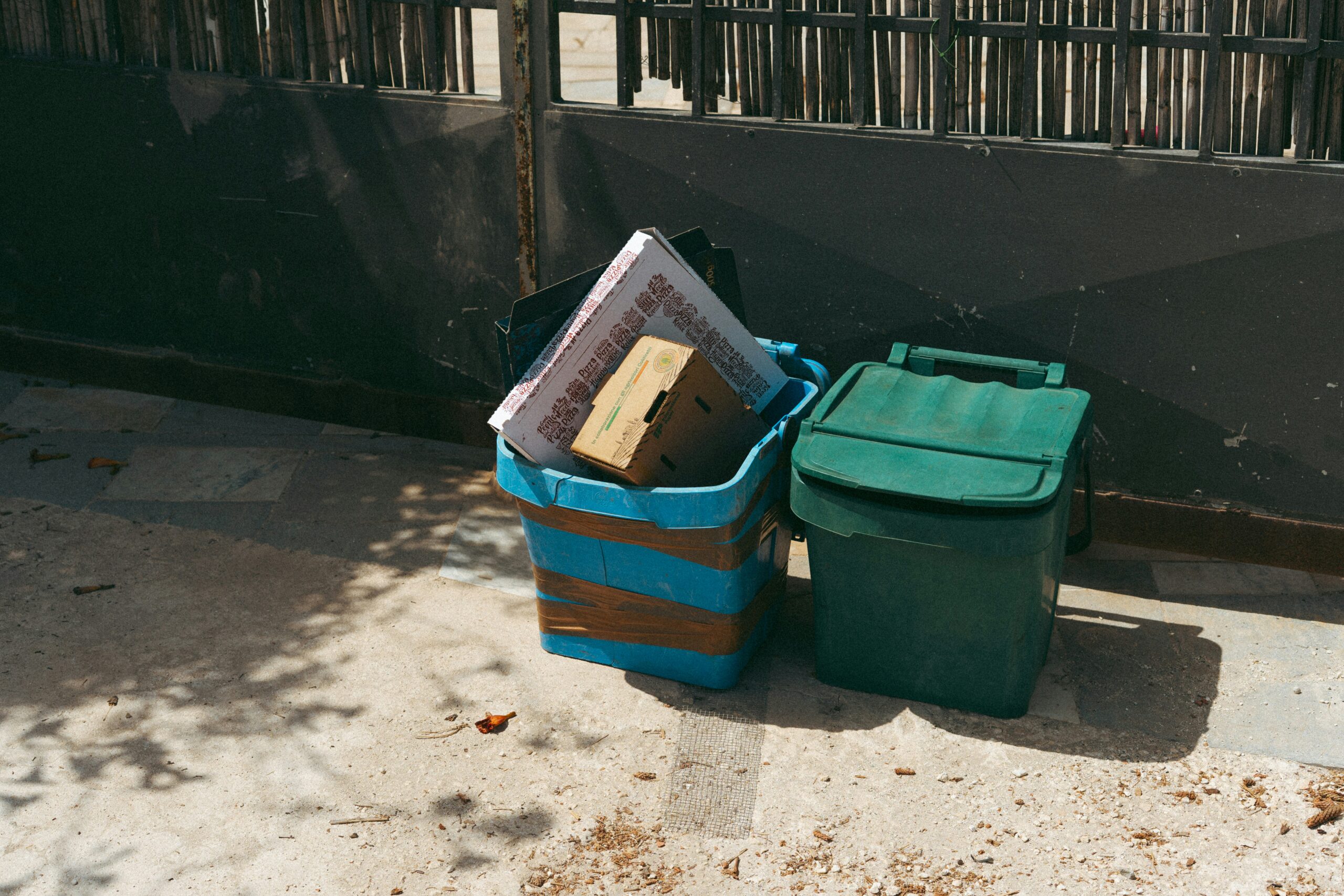
Ottawa is exploring a new Ottawa green bin waste strategy as the city prepares for major decisions on how organic waste should be processed after the current long-term arrangement ends. The move comes as Ottawa faces growing landfill pressure, rising population needs, and a wider push to keep more food scraps and organic material out of garbage.
The issue is becoming more urgent because Ottawa’s agreement with Convertus for organics processing ends in March 2030, with two possible one-year extension options. City staff have been studying what should come next, including future processing models for green bin waste.
Why Ottawa Is Reviewing Green Bin Waste Processing
The green bin program is a key part of Ottawa’s waste diversion system. Food scraps, paper towels, leaf and yard waste, and other accepted organic materials are collected separately so they can be processed instead of being buried in landfill.
Ottawa’s current organic waste treatment facility has processed city green bin waste since 2010 and has capacity of up to 150,000 tonnes per year. The facility converts household organics into non-agricultural source material, agricultural fertilizer, and clean bedding materials.
The city’s review is not just about replacing a contract. It is about deciding what kind of system Ottawa needs for the next generation of waste management. As the city grows, the amount of waste it must manage is expected to rise, making long-term planning more important.
Landfill Pressure Adds Urgency
Ottawa’s Solid Waste Master Plan warns that the city’s population is expected to reach 1.5 million by 2053, while the amount of waste requiring management could increase by 31 per cent. The city-owned Trail Waste Facility landfill is estimated to reach capacity between 2034 and 2035 if current disposal habits continue.
That timeline explains why the Ottawa green bin waste strategy matters. Every tonne of food waste diverted from regular garbage can help reduce pressure on landfill space. It can also support climate goals by reducing methane-producing organic material from being buried with residual waste.
Composting and Anaerobic Digestion Under Review
Ottawa’s future options could include continued composting, anaerobic digestion, or another model that balances cost, environmental performance, odour control, and long-term capacity. A city-linked feasibility document says Ottawa has been directed to plan for anaerobic digestion as one option for source-separated organic waste.
Anaerobic digestion is different from traditional composting because it processes organic material without oxygen and can produce biogas, which may be used as a renewable energy source. Composting, meanwhile, uses oxygen and controlled decomposition to turn organic material into usable soil products.
For Ottawa, the final decision will likely depend on cost, available land, emissions impact, contamination levels, processing capacity, and whether the system can handle future growth.
Green Bin Participation Remains Essential
Even the best processing system depends on residents using the green bin properly. Ottawa has already reported progress in expanding green bin participation, including more than 340 multi-residential properties added to the Green Bin Program since October 2024. The city says these efforts are helping reduce waste and extend landfill life.
That expansion is important because apartments and multi-residential buildings often face different waste challenges than single-family homes. Convenience, storage space, collection access, and education all affect whether residents separate organics correctly.
Solid Waste Master Plan Sets the Bigger Direction
Ottawa’s Solid Waste Master Plan, approved by council in June 2024, is designed to guide waste management over the next 30 years. The plan includes actions to reduce landfill use, improve diversion, recover resources, and keep waste services affordable.
The plan outlines 50 actions and is expected to reduce waste by about 31,000 tonnes, divert almost one million tonnes from landfill, and extend landfill life by 14 years over its 30-year period. It is also expected to cut greenhouse gas emissions by more than 9,000 tonnes of CO2e.
A stronger green bin strategy fits directly into that vision. Organic waste is one of the most important materials to divert because it is heavy, common, and environmentally damaging when buried in landfill.
What This Could Mean for Residents
For most residents, any future change may not be immediate. Green bin collection is expected to remain part of regular waste service. However, future processing decisions could affect costs, accepted materials, collection rules, education campaigns, and how strictly contamination is managed.
Residents may eventually see clearer guidance on what can and cannot go in the green bin. The city may also place more emphasis on reducing food waste before it reaches the bin, since preventing waste is usually more cost-effective than processing it after collection.
Cost and Environmental Questions Remain
The biggest challenge for Ottawa will be choosing a system that is environmentally strong but financially realistic. New processing technology can require major capital investment. Contract extensions may be simpler in the short term, but they may not offer the same long-term flexibility.
Odour management, truck routes, facility location, contamination, and final use of processed material will also matter. Residents near processing sites may want strong safeguards, while taxpayers will want a plan that delivers value without sharply increasing costs.
Also Read About: Canada Express Entry Update Could Reward Skilled High-Wage Workers