
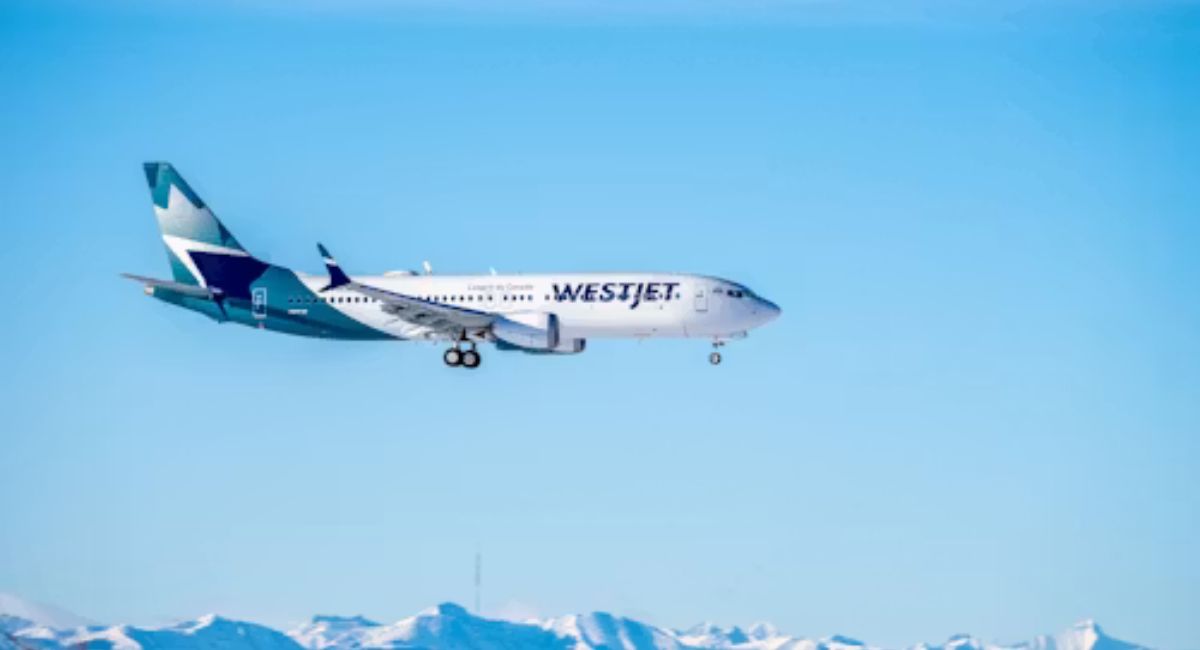
The WestJet Loan Dispute with Ottawa has become a major talking point in Canada’s aviation industry as rising fuel costs put fresh pressure on airlines, passengers, and policymakers. The federal government says its loan proposal is designed to help airlines manage fuel-price volatility and protect reliable air travel. WestJet, however, strongly opposes the move, warning that government-backed loans could distort the market and reward weaker competitors.
The dispute comes at a sensitive time for Canadian aviation. Airlines are already dealing with higher operating costs, tighter margins, labour pressures, aircraft supply issues, and passengers who are increasingly frustrated by expensive fares and reduced route options. With fuel being one of the largest costs for airlines, any sudden increase can quickly affect ticket prices, flight schedules, and long-term business planning.
Ottawa’s proposal may be framed as temporary support, but WestJet’s pushback shows how divided the industry can become when public money enters a competitive market.
Why Ottawa Wants To Support Airlines
The federal government argues that the airline sector plays a key role in connecting Canadians across a large country. Air travel supports tourism, trade, regional access, business travel, and family connections. When fuel prices rise sharply, airlines may respond by cutting routes, raising fares, reducing service, or delaying investment.
Ottawa’s loan program is meant to provide repayable liquidity support to eligible airlines facing serious fuel-cost pressure. The government says the goal is not a permanent bailout, but a temporary measure to stabilize the sector during a period of global energy-market volatility.
The proposal also comes with conditions. Airlines receiving support would be expected to maintain Canadian operations, protect jobs, follow Buy Canadian commitments, and accept limits on executive compensation and shareholder distributions.
Supporters say these rules are important because they prevent airline relief from becoming a blank cheque. If taxpayers are helping the sector, they argue, the public should receive clear protections in return.
Why WestJet Strongly Opposes The Loan Proposal
WestJet’s opposition is based on a different argument. The airline believes government-backed loans can interfere with fair competition. From WestJet’s perspective, airlines should manage their own risks and build sustainable business models rather than depend on public support during difficult periods.
The company has warned that repeated financial support can create a market where weaker carriers survive because of government help, not because they are financially strong. That, WestJet argues, can punish airlines that have managed their balance sheets carefully.
This is the heart of the WestJet Loan Dispute. Ottawa sees the proposal as protection for connectivity, jobs, and passengers. WestJet sees it as a possible subsidy that could change the competitive balance in Canadian aviation.
The argument is not simply about one loan program. It is about what kind of airline industry Canada wants: one where government steps in during shocks, or one where airlines absorb more of the risk themselves.
Rising Fuel Costs Put Airlines Under Stress
Fuel costs are one of the biggest and most unpredictable expenses in aviation. When jet fuel prices rise quickly, airlines have only a few options. They can increase fares, add surcharges, reduce less profitable routes, delay expansion, cut costs elsewhere, or seek financial support.
For passengers, this can mean higher ticket prices and fewer choices. For airlines, it can mean difficult decisions about staffing, schedules, fleet planning, and regional service.
Smaller and financially weaker carriers may feel the pressure faster than larger airlines with stronger balance sheets. That is one reason Ottawa argues support may be needed. If some carriers reduce service or collapse, competition could shrink, and passengers may face even higher fares over time.
But WestJet’s concern is that support for struggling airlines may keep inefficient business models alive. The airline’s position suggests that market discipline should remain a central part of the aviation sector, even during fuel shocks.
Passengers Could Feel The Impact
The WestJet Loan Dispute is not just a political or corporate fight. It could affect everyday travellers across Canada.
If fuel prices remain high, passengers may see more expensive flights, fewer seat sales, and possible route adjustments. Regional communities could be especially vulnerable if airlines decide certain routes are no longer profitable.
Government support could help prevent some of those cuts, at least in the short term. However, if loan support becomes controversial or unevenly used, it may create uncertainty across the market.
Passengers may also question whether public money should support private airlines when many Canadians are already dealing with cost-of-living pressures. At the same time, those same passengers may not want to lose affordable and reliable air travel options.
That tension makes the issue difficult. People want low fares and strong competition, but they may not agree on whether taxpayer-backed loans are the right way to achieve that goal.
Competition Becomes The Biggest Question
Canada’s airline market is already highly concentrated compared with some larger countries. Air Canada and WestJet dominate many routes, while smaller carriers compete in specific regions or price categories.
When fuel costs rise, smaller airlines may struggle more. If they cut routes or fail, larger airlines could gain more pricing power. That may reduce competition and hurt consumers in the long run.
Ottawa’s loan proposal appears aimed at preventing that kind of instability. But WestJet’s objection suggests the company believes government intervention could unfairly protect rivals that might otherwise be forced to restructure, shrink, or exit the market.
This creates a difficult policy question: should the government protect competition by supporting weaker carriers, or protect competition by staying out of the market and letting airlines compete without public backing?
There is no easy answer. Both sides can claim they are defending passengers and the future of Canadian aviation.
Taxpayer Risk Remains A Concern
Any government-backed loan program raises questions about taxpayer risk. Even if support is described as repayable, there is always concern that some loans may not be fully recovered if companies face deeper financial trouble.
WestJet’s criticism focuses partly on this point. The airline argues that public support can become costly if loans are later forgiven, restructured, or treated like indirect subsidies.
Ottawa, meanwhile, says the support is targeted, temporary, and tied to specific conditions. The government wants to show that it is not giving airlines free money, but offering liquidity during an unusual fuel-cost shock.
For the public, transparency will matter. Canadians will likely want to know which airlines apply, how much money is provided, what conditions are attached, and whether the loans are repaid.
What Happens Next For Canadian Airlines?
The next stage of the WestJet Loan Dispute will depend on how airlines respond to the program and how long high fuel costs continue. If more airlines seek help, the debate could grow louder. If fuel prices ease, the pressure may fade.
WestJet’s opposition may also push Ottawa to explain the program more clearly. The government will need to show why support is necessary, how it protects passengers, and how it avoids unfair market distortion.
Airlines that do not use the facility may present themselves as financially stronger. Airlines that do apply may argue they are protecting routes, workers, and communities.
Either way, the dispute has already exposed a major divide in Canada’s aviation sector.
Also Read About: Vancouver Gets Ready For FIFA World Cup As Cleanup Efforts Transform City