
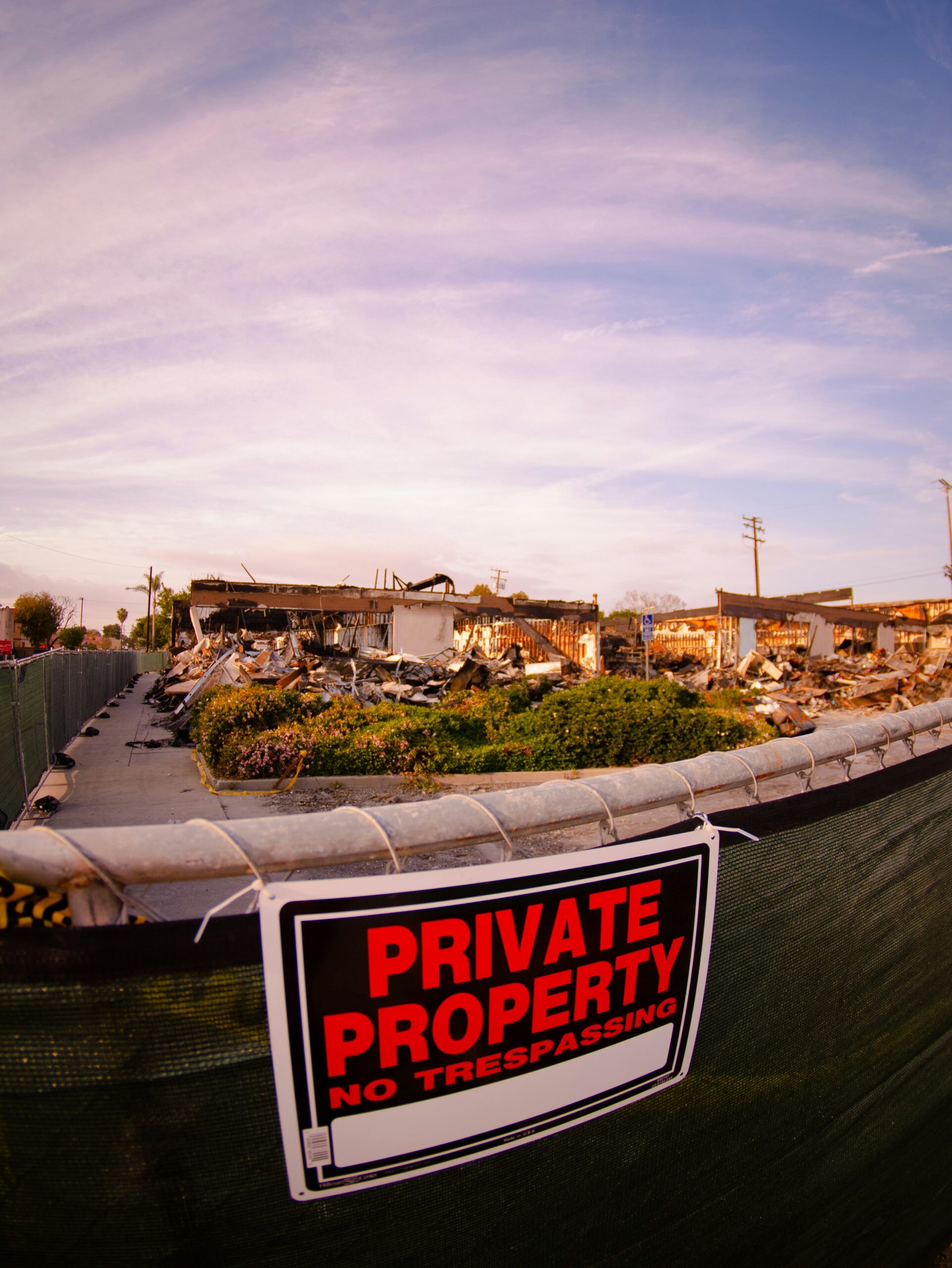
Canadian MPs have voted down a Conservative motion calling for stronger private property rights protections, intensifying a national debate over land claims, Aboriginal title, legal certainty, and the rights of homeowners and businesses. The House of Commons vote took place on Monday, May 25, 2026, with the motion defeated by 199 nays to 139 yeas, with two paired votes, according to official House of Commons voting records.
The motion, sponsored by Conservative MP Jamie Schmale, was titled “Protection of private property rights in Canada.” It asked the federal government to take several steps, including putting private property first in the Cowichan case, replacing a federal litigation guideline, publishing a plan within 30 days, and creating a special committee to study legal and constitutional options for protecting property rights.
Why MPs Voted on Private Property Rights
The vote followed growing political debate over the Cowichan Tribes v. Canada decision, a 2025 B.C. Supreme Court ruling that confirmed Cowichan Tribes Aboriginal title over about 300 hectares of land in Richmond, British Columbia. The ruling has raised questions about how Aboriginal title and fee simple private property can coexist in Canadian law.
The Conservatives argued that the ruling created uncertainty for homeowners, landowners, businesses, lenders, and investors. Their motion claimed the decision had created “massive uncertainty around fee simple property” and called on the government to defend private property rights more aggressively in litigation and future agreements with First Nations.
What the Conservative Motion Proposed
The defeated motion called on the federal government to argue that private property should have priority over other forms of title in the Cowichan case. It also asked the government to replace Litigation Guideline #14 from the Attorney General of Canada’s directive on civil litigation involving Indigenous Peoples with a guideline requiring the federal government to defend property rights in all litigation.
The motion also proposed that no future agreement with First Nations should move forward without explicit protection for fee simple property rights. In addition, it called for a special parliamentary committee to study legal, constitutional, and political steps that could be taken to protect private property rights in Canada.
How Parties Voted
The motion was defeated after the Liberals, NDP, and Bloc Québécois voted against it, while the Conservatives supported it. Because the motion was non-binding, even if it had passed, it would not automatically have changed Canadian property law. However, it would have increased political pressure on the federal government to act more directly on the issue.
For Conservatives, the vote gives them a clear political message: they can argue they stood for homeowners and property owners while other parties rejected their proposal. For the government and other opposition parties, the issue is more complicated because the Cowichan case remains under appeal and touches on constitutional law, Indigenous rights, reconciliation, and provincial land systems.
Government Says Private Property Is Already Protected
During earlier debate, Crown-Indigenous Relations Minister Rebecca Alty said Parliament should not weigh in on a matter still before the courts. She said the federal government had appealed the ruling because it wanted more clarity on the decision and its implications for private property.
Alty also said it is already Government of Canada policy to make rights and title agreements that protect Canadians’ private property. She said the government would not consider an agreement that would cause Canadians to lose privately owned property.
Cowichan Ruling Remains Under Appeal
The legal debate is far from over. The federal and provincial governments opposed the Cowichan Tribes’ claim, and there are now appeals from both sides, including an appeal by the federal government.
That means the full legal impact of the ruling has not yet been settled. Until higher courts weigh in, property owners, governments, Indigenous communities, and legal experts may continue to debate how the decision should be interpreted.
Why This Debate Matters to Homeowners
The private property rights debate matters because fee simple ownership is the legal foundation for most private land ownership in Canada. Homeowners, businesses, mortgage lenders, developers, municipalities, and investors all depend on predictable property rules.
When uncertainty arises around land title, it can affect confidence. Even if no private homeowner loses land, legal uncertainty alone can raise concerns about financing, property values, insurance, development approvals, and long-term investment.
At the same time, Aboriginal title is a constitutionally protected right in Canada. Courts have long recognized that governments must address Indigenous land rights and historical claims. The challenge is finding a path that respects Indigenous rights while giving private property owners clear legal certainty.
First Nations Leaders Push Back Against Fear
Some First Nations leaders and organizations have pushed back against Conservative claims, arguing that the Cowichan decision has been misrepresented. The First Nations Summit said the case was not about taking away people’s homes or private fee simple property, but about recognizing that First Nations title was not automatically erased by the Crown.
Policy analysis has also argued that the Cowichan ruling does not mean private-property owners outside the case will suddenly lose title to their homes. Instead, legal commentators have described the decision as part of a broader constitutional conversation about governments’ obligations to Indigenous Peoples.
Political Tensions Are Likely to Grow
The House vote is unlikely to end the debate. Conservatives are expected to keep pressing the government on property rights, especially in British Columbia, where unresolved land claims and Indigenous title issues remain politically sensitive.
The issue also gives the Conservatives a strong campaign message around economic certainty, land ownership, and homeowner protection. Meanwhile, the Liberals will likely argue that the government is already defending private property through appeals and existing policy, while avoiding political interference in active litigation.
What Happens Next?
The next major development will likely come through the courts, not Parliament. Appeals in the Cowichan case will be closely watched because they may help clarify the relationship between Aboriginal title and fee simple property.
Politically, the issue may continue through committee debates, Question Period, regional town halls, and future opposition motions. If uncertainty continues, pressure may grow for Ottawa, British Columbia, and Indigenous governments to explain more clearly how private landowners will be protected while Aboriginal title claims are addressed.
Also Read About: Experts Raise Serious Concerns Over Sutcliffe’s Community Newspaper Ads