
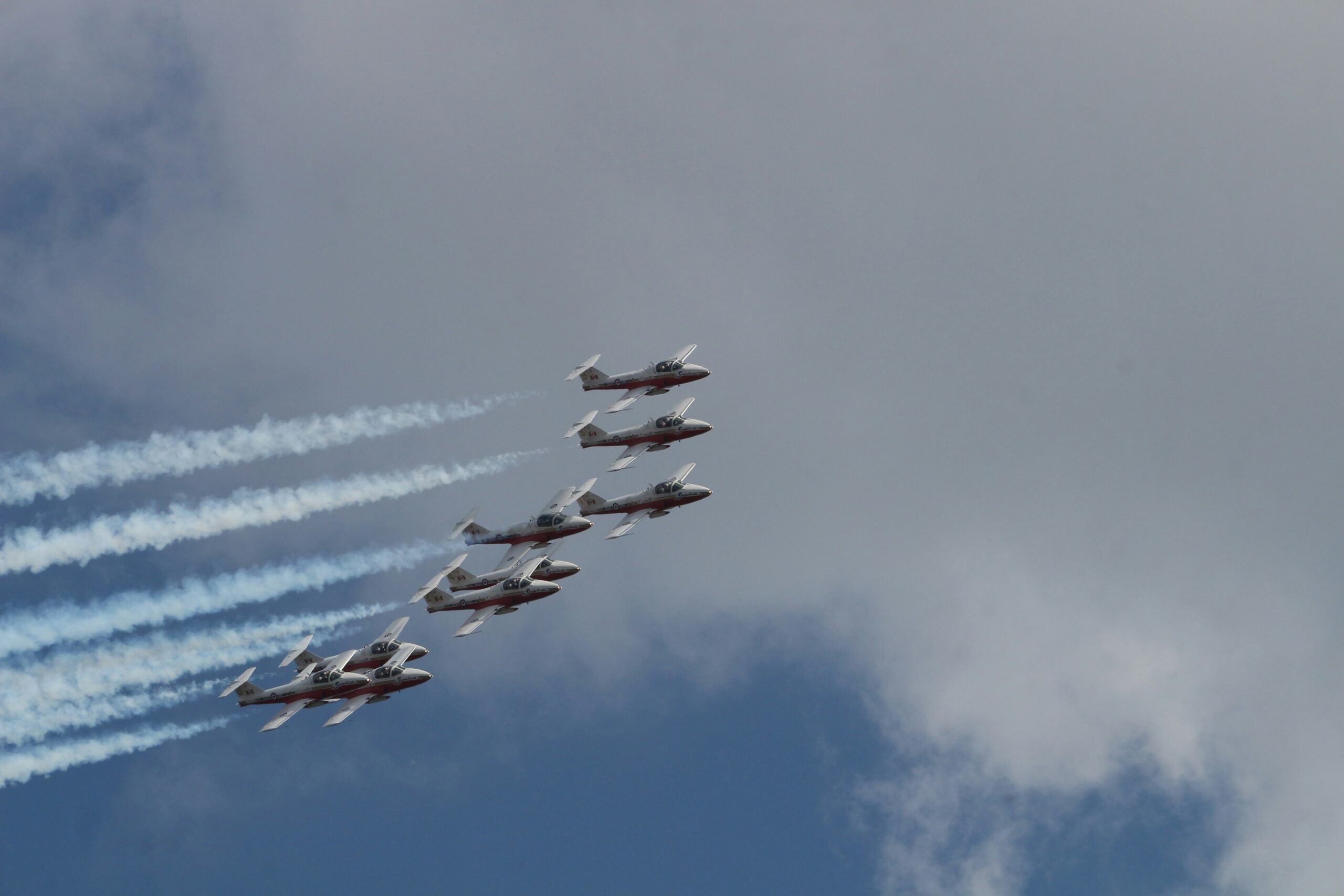
The Canadian Forces Snowbirds are once again at the centre of public conversation, with many Canadians defending the aerobatic team as a Snowbirds national treasure while others raise questions about cost, safety, aging aircraft, and the future of military air demonstrations.
For supporters, the Snowbirds are more than an airshow act. They are a symbol of Canadian pride, discipline, teamwork, and aviation excellence. For critics, the debate is more practical: how much should Canada spend to preserve the tradition, and how should safety be balanced with public celebration?
The discussion has grown louder in 2026 because the federal government confirmed that the CT-114 Tutor aircraft fleet will fly its final Snowbirds season in 2026, ending a major chapter in Canadian aviation history. The government also announced plans to procure the CT-157 Siskin II, based on the Pilatus PC-21, for the future Snowbirds team, with the new capability expected to become operational in the early 2030s.
Why Many Canadians See the Snowbirds as a National Treasure
The phrase Snowbirds national treasure resonates because the team has been part of Canadian life for generations. Since 1971, the Snowbirds have represented Canada and the Royal Canadian Air Force at public events, airshows, national celebrations, and community gatherings. Their white, red, and blue aircraft have become instantly recognizable across the country.
The Royal Canadian Air Force describes the Snowbirds as ambassadors of the Canadian Armed Forces, showcasing professionalism, skill, dedication, and teamwork to audiences across North America.
That ambassador role is a major reason supporters argue the Snowbirds deserve continued support. Their performances are not only about entertainment. They also connect civilians with the military, inspire young people interested in aviation, and bring communities together during public events.
The Snowbirds Represent Teamwork, Not Just Aircraft
One reason the Snowbirds remain so respected is that their performances depend on more than pilots. The 431 Air Demonstration Squadron includes Canadian Armed Forces members and National Defence public service employees, with representation from the Army, Navy, and Air Force. The team includes pilots, technicians, mobile support operators, clerks, logistics staff, engineering personnel, and public affairs support.
That broader team effort is often overlooked in public debate. Every formation in the sky depends on hours of training, maintenance, planning, safety checks, and coordination on the ground. According to the Snowbirds FAQ, the squadron has about 80 Canadian Forces personnel, with 24 members travelling as part of the show team during the season.
For many Canadians, this is exactly why the Snowbirds should be protected. They showcase the best of military discipline without being tied to conflict. They present the armed forces through precision, service, courage, and teamwork.
Public Debate Grows Over Cost and Safety
Still, public debate around the Snowbirds is not new. Critics often point to the age of the CT-114 Tutor aircraft, financial pressures in defence spending, and past safety concerns. The Tutor first entered service with the Royal Canadian Air Force in 1963, making it a deeply historic but aging platform.
Safety concerns also remain part of the conversation. In May 2020, Captain Jennifer Casey, the Snowbirds’ public affairs officer, died in a CT-114 Tutor crash near Kamloops, British Columbia, while the team was taking part in Operation Inspiration, a cross-Canada tour meant to lift public morale during the COVID-19 pandemic.
That tragedy is one reason some Canadians support replacing the Tutor fleet rather than ending the Snowbirds entirely. The debate, then, is not simply about whether the team should exist. It is also about whether Canada can modernize the program responsibly while respecting those who served and sacrificed.
A Future Without the Snowbirds Would Feel Like a Cultural Loss
For supporters, losing the Snowbirds would mean losing a visible piece of Canadian identity. Airshows are often family events. Parents bring children to watch the sky fill with precision formations. Veterans see a public tribute to service. Aviation fans see a living link between Canada’s military past and future.
The Snowbirds have also become part of national memory. Their appearances during major celebrations, community events, and special tours have helped turn them into a shared Canadian symbol. The RCAF’s own description of the team emphasizes their role in inspiring excellence and leaving a lasting impact wherever they perform.
That emotional connection explains why many letters, opinion pieces, and public comments defend the team so strongly. To supporters, the Snowbirds are not a luxury. They are a tradition that carries meaning.
Modernization May Be the Middle Ground
The strongest path forward may not be choosing between tradition and change. Canada’s decision to replace the Tutor fleet suggests a middle-ground approach: retire aging aircraft, invest in a modern platform, and preserve the Snowbirds as a national institution.
The planned CT-157 Siskin II is expected to serve as both a training and air demonstration aircraft. The government says the future fleet will allow Canada to continue its air demonstration tradition and eventually rebuild the Snowbirds’ distinctive nine-plane formation.
That matters because many Canadians do not want nostalgia to override safety. A modern Snowbirds program could preserve the emotional value of the team while addressing legitimate concerns about aging aircraft and long-term sustainability.
Why the Snowbirds Debate Matters
The debate over the Snowbirds is really a debate about national symbols. What should Canada preserve? What should it modernize? What should it let go?
Supporters argue that the Snowbirds provide unity in a time when national pride can feel divided. Their performances are non-partisan, family-friendly, and rooted in service. They remind Canadians of skill, discipline, and shared identity.
Critics are right to ask hard questions about cost, safety, and priorities. But defenders argue that those questions should lead to modernization, not abandonment.
Also Read About: Why Downsizers Are Moving to The Highlands Ottawa Condos in 2026