
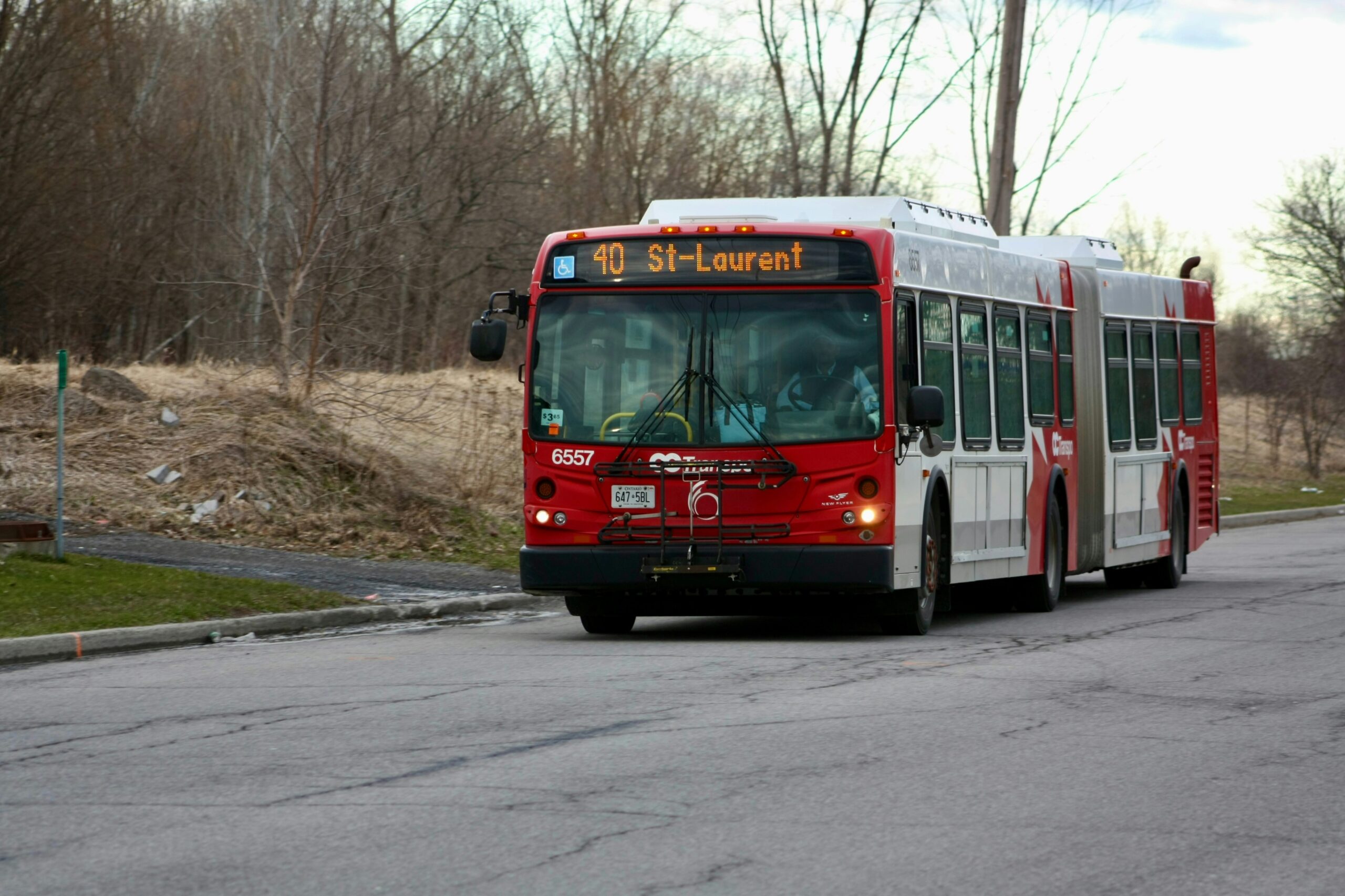
OC Transpo is facing renewed financial pressure after posting a $7 million deficit in the first three months of 2026, raising fresh concerns about Ottawa’s public transit recovery, ridership levels, and long-term budget stability.
The early-year shortfall comes as the transit agency continues to deal with lower-than-expected ridership, higher bus maintenance costs, and more expensive fuel. While OC Transpo is not designed to operate like a profit-making business, the growing gap between budget expectations and actual results is putting pressure on city finances and forcing officials to confront difficult questions about service, fares, and funding.
OC Transpo Deficit Raises New Budget Concerns
The latest OC Transpo deficit is significant because it appeared within only the first quarter of the year. A $7 million gap after three months suggests that Ottawa’s transit system may face a larger year-end shortfall if ridership and revenue do not improve.
For many residents, the issue is not simply about accounting. Public transit affects daily commutes, access to jobs, downtown activity, student travel, and affordability across the city. When ridership falls below projections, fare revenue drops. At the same time, the system still has to pay for buses, trains, drivers, fuel, maintenance, safety, stations, and customer service.
That creates a difficult cycle: lower ridership reduces revenue, but cutting service too much can make transit less reliable and discourage even more people from using it.
Lower Ridership Continues to Hurt Fare Revenue
Ridership remains one of the biggest challenges for OC Transpo. The agency’s own public performance dashboard shows total 12-month ridership in the range of roughly 69 million trips, still a key metric watched closely by the city as it tries to rebuild transit use after years of disruption and changing commuter habits.
Hybrid work has also changed travel patterns in Ottawa, especially because the city has a large federal public service workforce. Fewer daily downtown commuters mean fewer regular transit trips, especially during traditional peak hours. Even if some riders return on certain days, the old five-day commuting pattern has not fully recovered.
This creates a serious problem for OC Transpo’s budget model. The system still needs frequent and reliable service to attract riders, but it cannot rely on the same level of fare revenue that existed before ridership patterns changed.
Rising Costs Add More Pressure
The deficit is not only about fewer passengers. Reports point to costly bus maintenance and higher fuel expenses as additional pressures behind the early 2026 shortfall.
Maintenance is especially important because Ottawa’s transit network depends heavily on buses. If aging vehicles require more repairs, the cost of keeping service on the road increases. At the same time, unreliable buses or cancelled trips can damage rider confidence.
Fuel costs are another challenge. Even modest increases can have a major impact on a large transit fleet. When maintenance and fuel rise at the same time as fare revenue falls, the budget gap becomes harder to close without outside support or internal cost controls.
Ottawa Transit Fares Already Remain a Sensitive Issue
Raising fares may seem like a simple solution, but it comes with risks. Ottawa’s 2026 transit budget already included a 2.5 percent fare increase, with a regular adult single ride listed at $4.10 and an adult monthly pass at $138.50.
Higher fares can bring in more money per rider, but they may also discourage occasional users, students, seniors, and low-income passengers. If fares rise while reliability concerns remain, some residents may choose to drive, bike, walk, work from home, or avoid certain trips altogether.
That is why the OC Transpo deficit is not just a financial issue. It is also a public confidence issue. Riders are more likely to pay for transit when they believe the service is dependable, frequent, safe, and worth the price.
Why This Deficit Matters for Ottawa Residents
A continuing shortfall could affect taxpayers, transit users, and city services. If OC Transpo’s deficit grows throughout the year, the city may need to rely on reserves or other budget tools to cover the gap. Ottawa has already faced transit funding challenges in recent budgets, including a previously identified gap in the transit budget that prompted calls for help from higher levels of government.
This matters because public transit is tied to broader city goals. A strong transit system can reduce traffic congestion, support downtown businesses, lower emissions, and make the city more accessible. But when the system struggles financially, city leaders must balance service quality, affordability, and taxpayer impact.
Can OC Transpo Recover Ridership?
OC Transpo’s long-term recovery depends on more than budget adjustments. Riders need to see practical improvements in reliability, travel time, safety, and communication. Service that arrives on time and connects people efficiently to work, school, hospitals, shopping areas, and major neighborhoods is the strongest way to rebuild trust.
The agency also needs to adapt to changed travel habits. Transit demand may no longer be focused only on downtown rush-hour commuting. More flexible service planning, stronger connections outside the core, and better weekend and evening reliability could help attract different types of riders.
Ottawa’s population is growing, and that should create long-term demand for public transportation. But growth alone will not solve the budget problem if residents do not see transit as a convenient and dependable option.
Bigger Funding Debate Could Grow
The latest deficit may increase pressure on city council, provincial officials, and the federal government to address transit operating costs. Federal support has been discussed as part of longer-term public transit funding, with Ottawa expected to receive money through the Canada Public Transit Fund over the coming years. However, earlier reporting noted that this type of funding may not immediately solve short-term operating gaps.
That leaves Ottawa facing a familiar question: who should pay more to keep transit running — riders, taxpayers, or higher levels of government?
There is no easy answer. Fares alone may not be enough. Property tax increases can be unpopular. Service cuts may worsen ridership problems. External funding can help, but it may come with timing limits or conditions.
Also Read About: Ottawa Weather Takes Sharp Turn as Frost Follows Recent High Heat